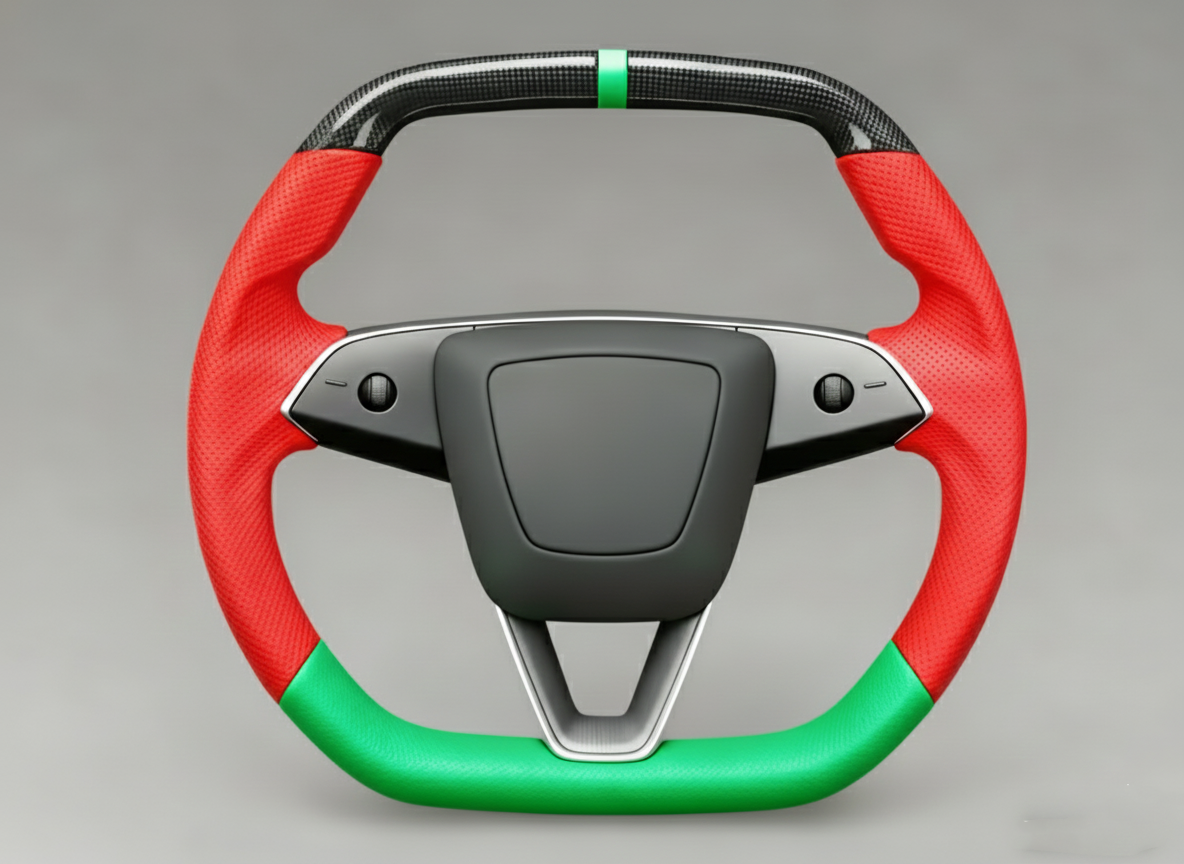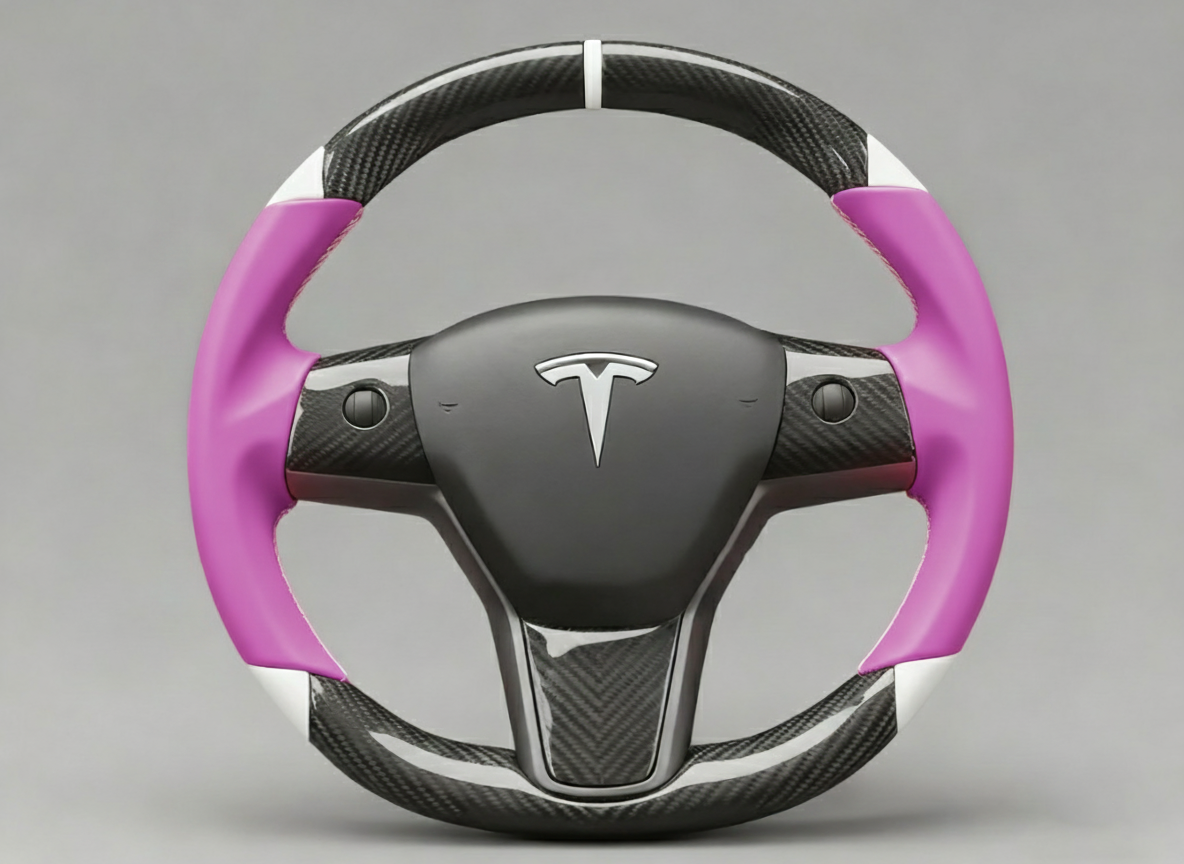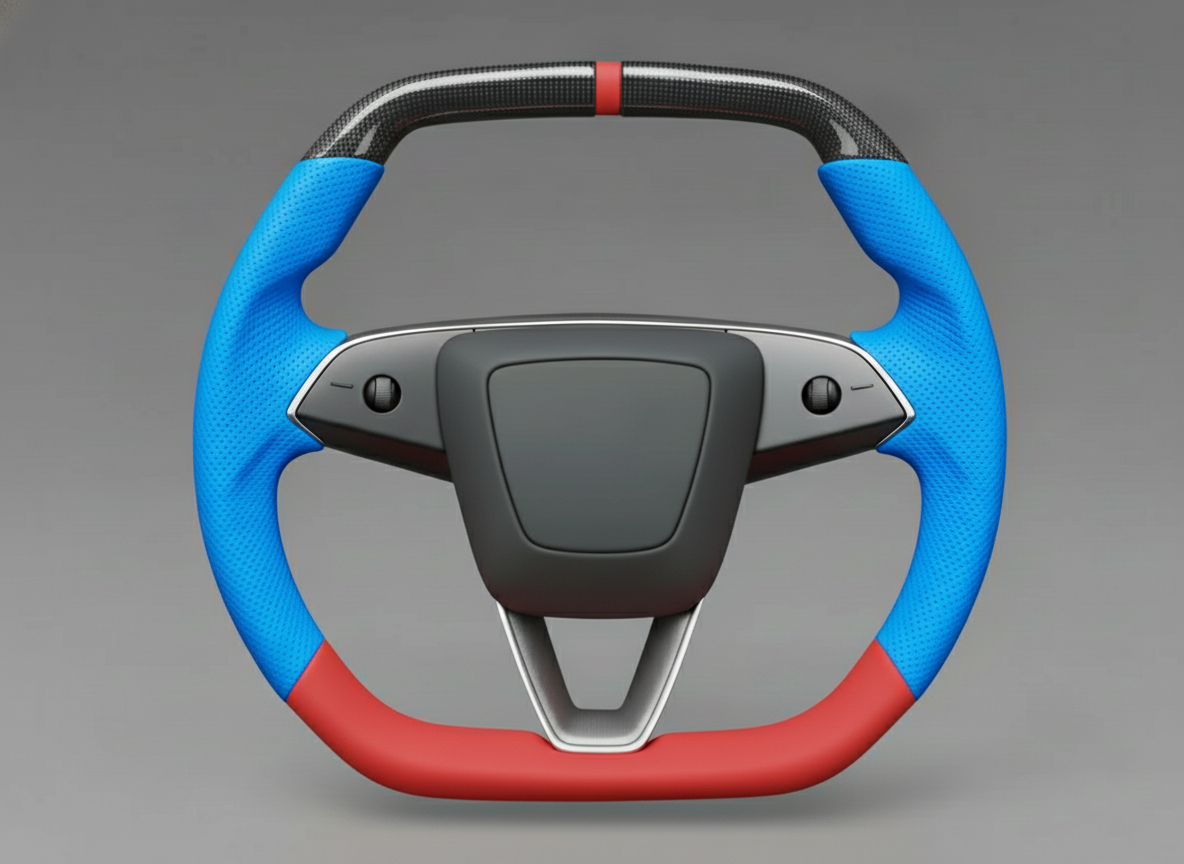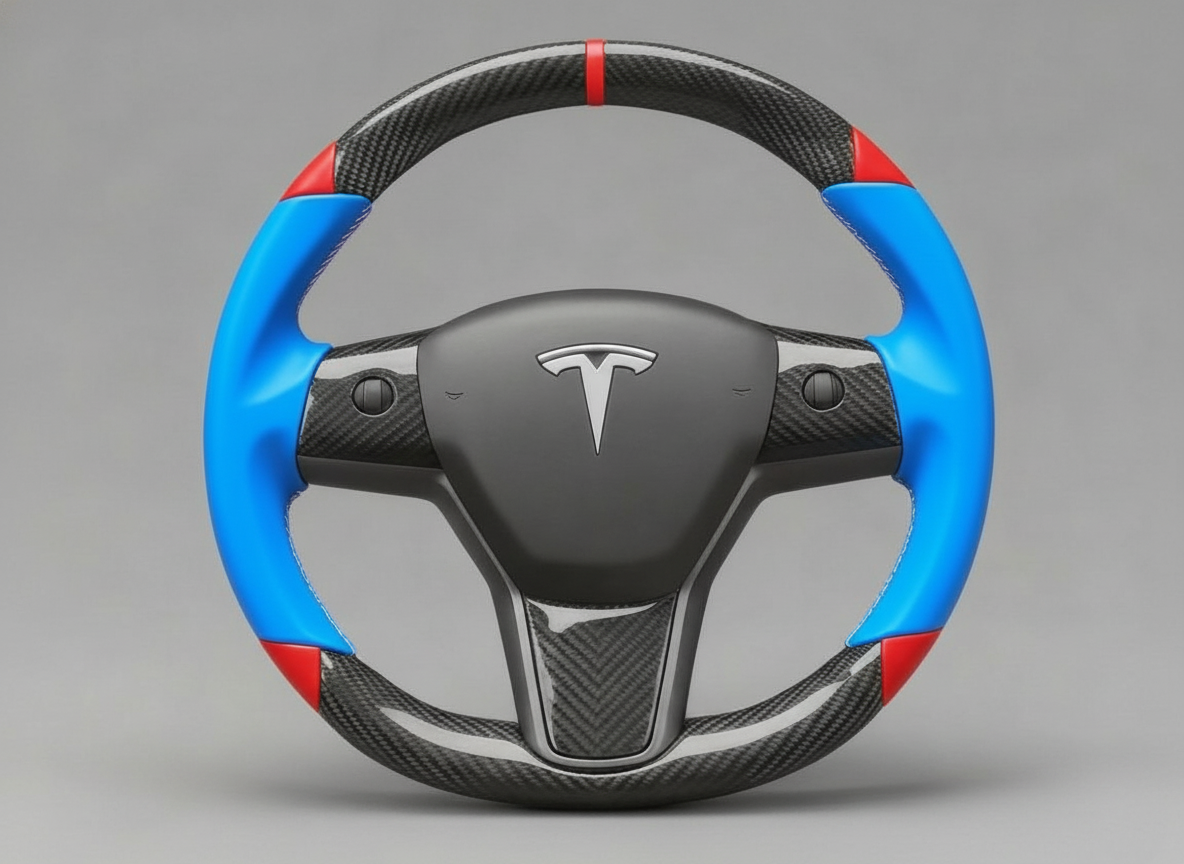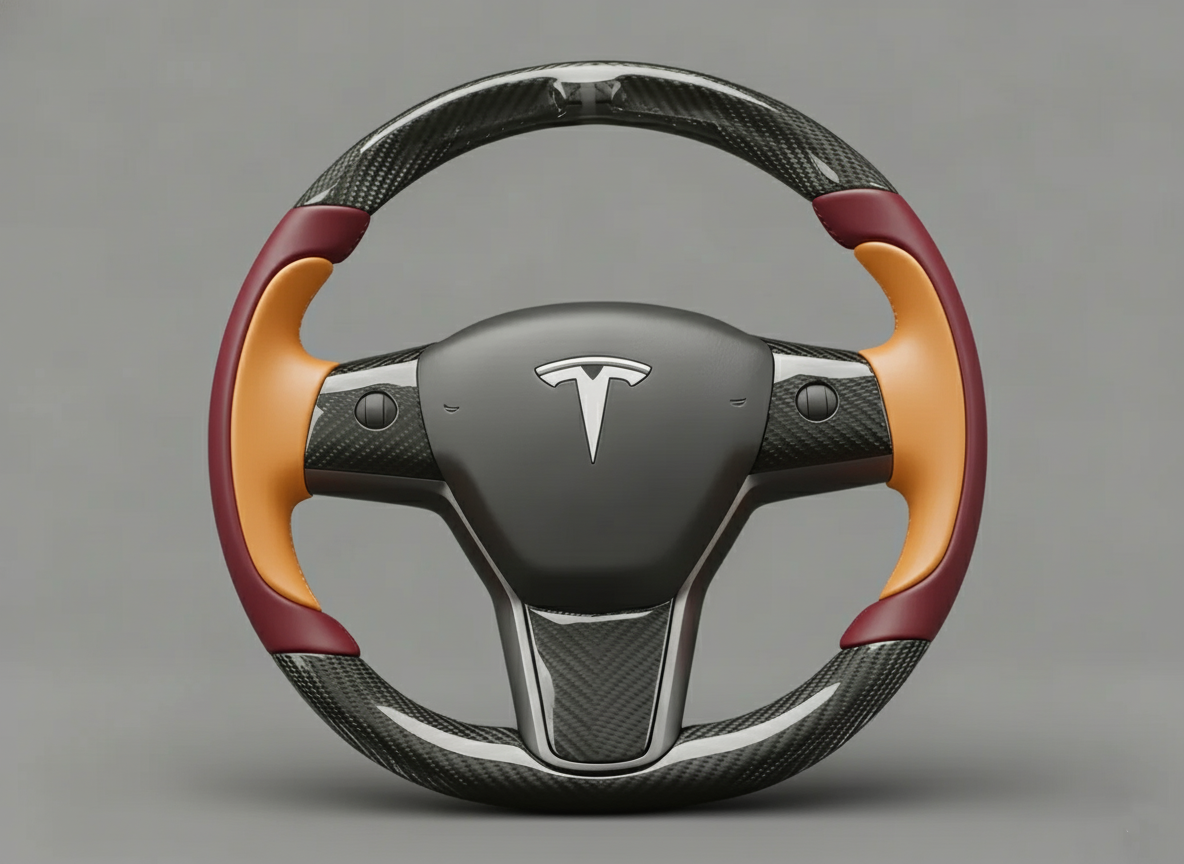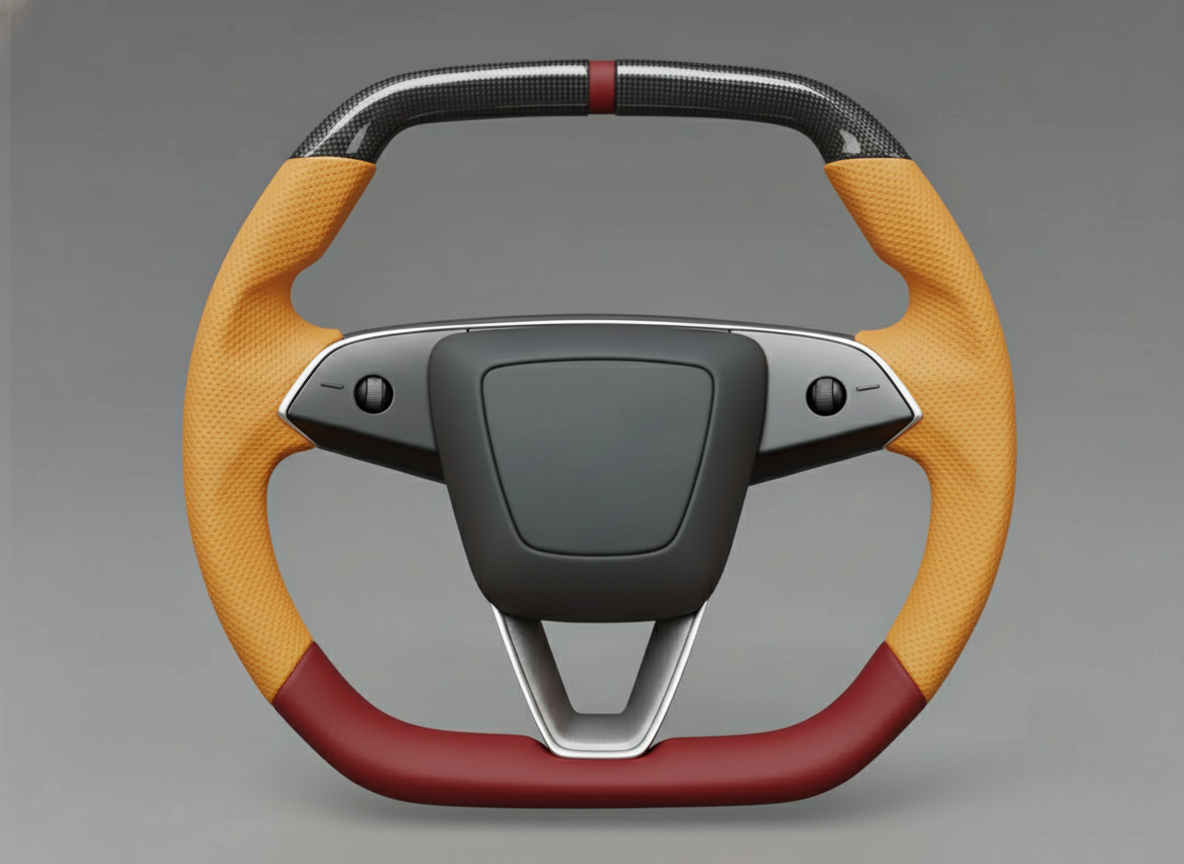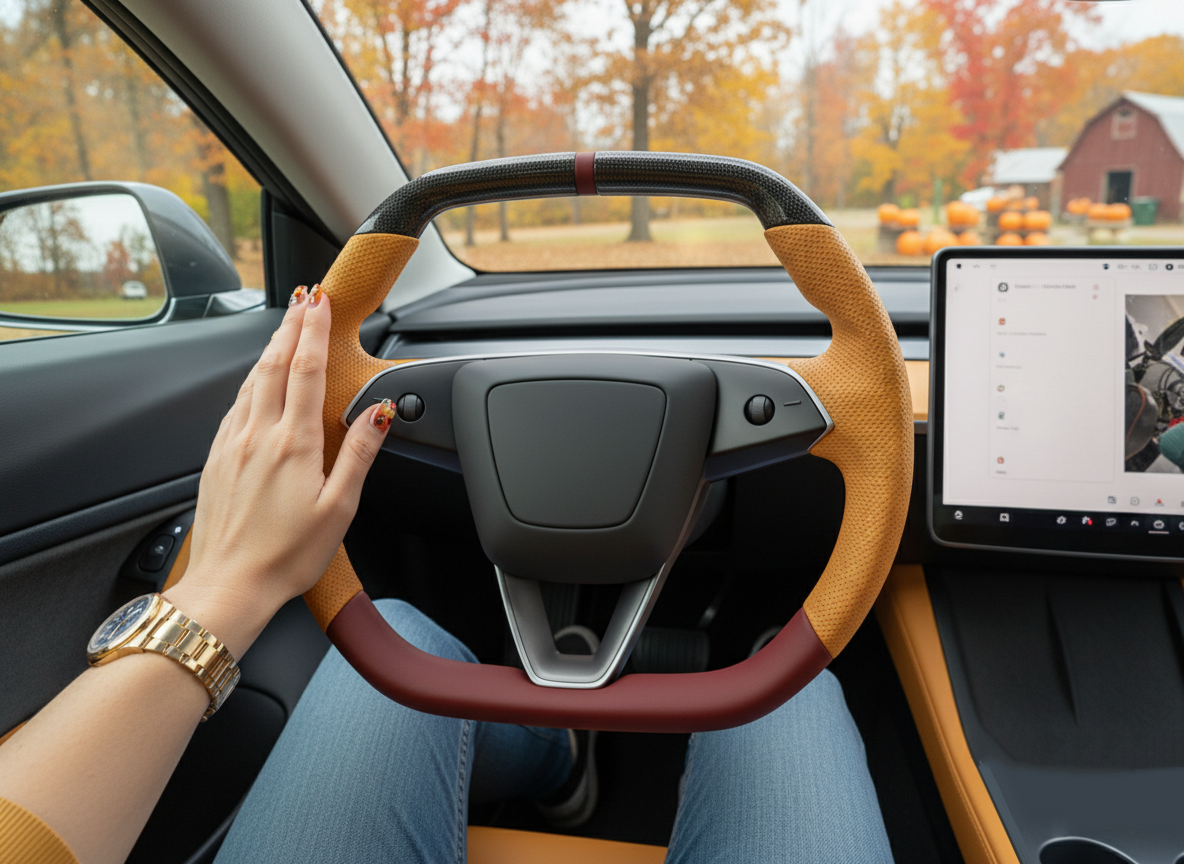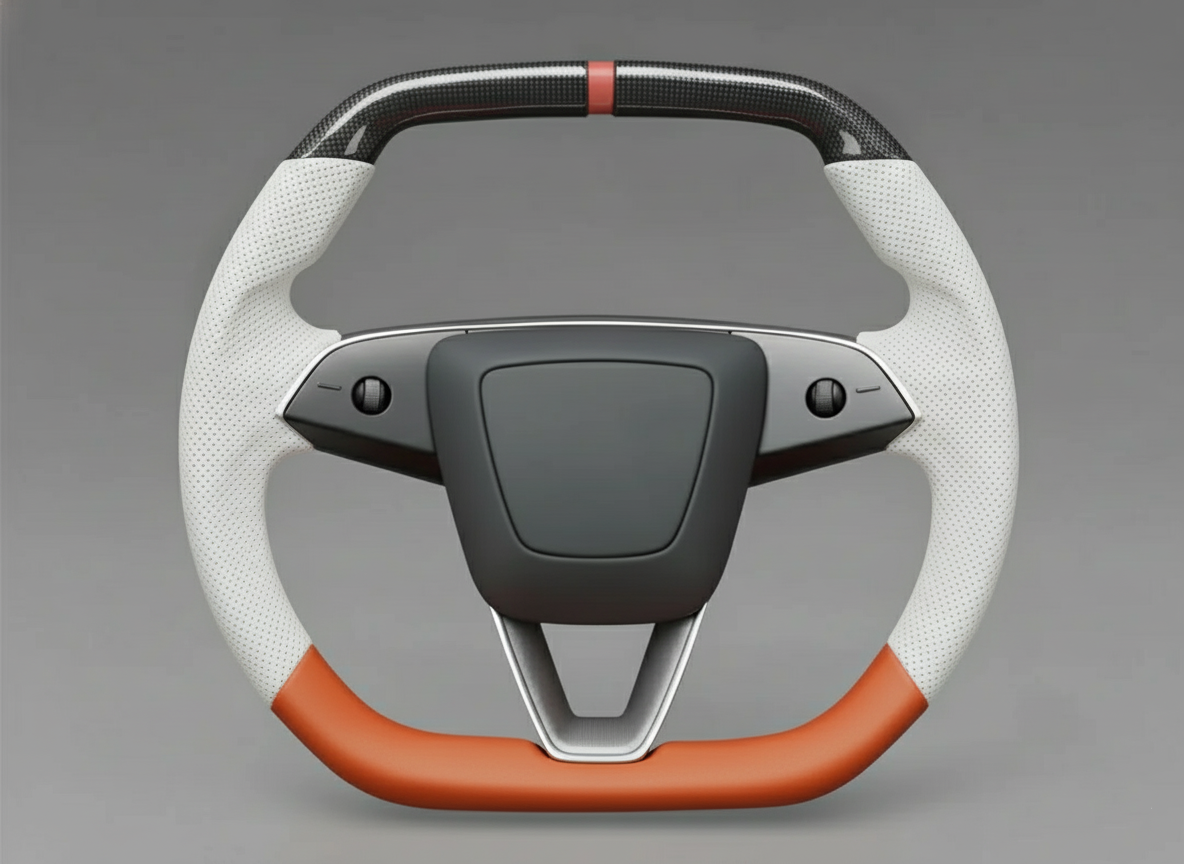
To remove grease from the Model Y Juniper steering wheel and restore its matte finish, dilute a neutral interior cleaner at a 1:10 ratio.
Spray the solution onto a microfiber towel, gently wipe the leather surface in circular motions for 5 to 10 seconds to break down hand sweat and oils, and then quickly use a dry towel to absorb the residue.
It is recommended to perform a deep cleaning every 5,000 kilometers. Avoid vigorous rubbing to prevent damaging the vegan leather coating.
Deep Cleaning
The purpose of deep cleaning is to strip away the lipids trapped within the pores of the steering wheel's 0.15 mm surface polyurethane (PUR) coating.
When the steering wheel accumulates more than 5 micrometers of sebum and hand cream residue, the surface gloss will exceed the factory-set standard of <10 GU.
Standard operation requires a mild surfactant with a pH between 7.0 and 8.0, paired with a boar hair brush with a bristle diameter of less than 0.05 mm.
Without breaking the polyurethane molecular chains, gently rubbing in circular motions at about 120 revolutions per minute can emulsify and expel triglycerides, restoring the friction coefficient of 0.4-0.6 and the factory matte state.
Selecting the Cleaner
The American Society for Testing and Materials (ASTM) D412 standard indicates that if a PUR surface comes into contact with acidic liquids (pH below 5.0) or alkaline liquids (pH above 9.0) for more than 30 seconds, irreversible degradation of the polymer chains will occur.
Cleaning operations must strictly control the reagent's pH within the neutral range of 7.0 to 8.0. Chemicals deviating from this pH range will cause the polyurethane coating to swell, become brittle, or even permanently discolor. Commercially available All-Purpose Cleaners (APC) conventionally contain sodium hydroxide concentrations of up to 2%, and their pH often reaches 11.5, which will rapidly destroy the surface's UV protection additives.
Common household interior stain removers often improperly add excessive volatile organic compounds to pursue faster cleaning speeds. Spraying liquids containing such aggressive ingredients onto the steering wheel will lead to an irreversible micrometer-level reduction in the thickness of the 0.15 mm coating during the 3 to 5-minute evaporation cycle.
-
Isopropyl Alcohol (IPA) concentration > 15%: Accelerates the volatilization of plasticizers like polycarbonate diol in the PUR coating.
-
d-Limonene extract: Liquid contact for 60 seconds will cause the coating's microscopic pores to abnormally expand by 12%.
-
Ammonia compounds: Destroys the cross-linked network of the polyurethane surface layer, causing the gloss to surge to 20 GU.
-
Dimethicone emulsion: Dry residue will cause the physical dynamic friction coefficient of the steering wheel surface to plummet below 0.3.
To strip the squalene and triglycerides accumulated in the microscopic pores, a pure non-ionic surfactant formula must be used. Its molecular structure contains polar hydrophilic groups and non-polar lipophilic groups, which can physically sever the van der Waals forces between lipid substances and the polyurethane surface without triggering intense chemical reactions.
In a standard environment of 15 to 20 degrees Celsius, upon contact with fingerprint sebum, the non-ionic surfactant will automatically arrange itself into spherical microscopic micelles with a diameter of about 2 to 5 nanometers within 10 to 15 seconds. The non-polar tails of the micelles enclose 1-square-millimeter grease patches inwardly, while the polar heads face outward, keeping it suspended in the aqueous solution.
-
Alkyl Polyglucoside (APG): Biodegradability reaches 99.5%, with zero corrosion to the polyurethane material structure.
-
Polysorbate 20 additive: Provides a stable and fine 0.1 mm micro-bubble layer.
-
Volatile gas limits: VOC content is below 1%, complying with California Air Resources Board (CARB) standards.
-
Zero residue hard metric: After the liquid evaporates, Total Dissolved Solids (TDS) on the surface must be below 10 ppm.
Standard reagents can maintain a stable micelle structure for up to 45 seconds before the moisture completely evaporates, providing a sufficient operational time window for the subsequent physical wiping with a microfiber cloth. Inferior cleaners containing glycerin components will demulsify within 20 seconds, causing the stripped triglycerides to reattach within the micropores.
Commercially available formulations recommended by the European and American auto detailing industries for eco-friendly vegan leather mostly use highly concentrated forms to maintain chemical activity. For instance, Koch-Chemie's Pol Star reagent has a factory concentrate pH of 7.0 and contains 5% amphoteric surfactants; it requires high-ratio mixing with pure water before entering the operational process. P&S Xpress, on the other hand, is factory-set to a safe ready-to-use concentration.
Water hardness when mixing concentrated solutions will significantly interfere with the micelle generation efficiency of surfactants. When diluted using tap water with excessively high hardness, the calcium and magnesium ions in the water (at concentrations over 120 ppm) will combine with the surfactant anions to form insoluble fatty acid salt hard water scale. After drying, this will form 0.5 mm tiny white spots within the faux leather texture crevices of the steering wheel.
-
Lab-grade pure water: The residual electrical conductivity of the distilled water used for the solution must be below 5 µS/cm.
-
Precise dilution ratio: The concentrated solution and pure water are mixed at a 1:10 volume ratio using a graduated measuring cup.
-
Optimal emulsification water temperature: Controlling the water temperature at 22-25 degrees Celsius maximizes the molecular Brownian motion.
Before the prepared solution is officially used over a large area, a standardized surface gloss test must be performed. Apply the solution to a 2-square-centimeter hidden area on the back of the steering wheel, gently brush in circles for 10 seconds with a boar hair brush, and then absorb it dry with a dry microfiber cloth.
Let the test area sit for 30 seconds to allow the moisture to completely evaporate. Read the reflection value of the area using a micro gloss meter with a 60° measuring angle. If the reading stabilizes at the factory-calibrated <10 GU, and the tactile dynamic friction coefficient recovers to between 0.4-0.6, only then can this batch of prepared reagent be put into the degreasing operation for the full steering wheel area.
Tools & Steps
The tips of natural boar hair bristle naturally bifurcate, with the terminal diameter of a single fiber ranging between 0.03 and 0.05 mm. This microscopic dimension can perfectly reach into the approximately 0.08 mm deep faux leather texture crevices on the polyurethane (PUR) coating surface.
Industrial nylon bristles have flat tops and cannot reach the triglyceride residues at the bottom of the crevices. Their stiff 0.12 mm cross-sections will cause microscopic scratches on the 0.15 mm thick surface coating. When selecting operational brushes, the maximum hair diameter must be kept under 0.05 mm.
The physical parameters of the microfiber towel must be strictly controlled between 300 to 350 GSM (grams per square meter). The blend ratio must be exactly 70% polyester and 30% polyamide. Polyester provides structural toughness, while the star-shaped cross-section produced by polyamide is responsible for absorbing the emulsified and stripped lipid micelles via capillary action.
An edgeless towel cut with ultrasound at the borders avoids polyester hemming threads from creating physical scratches larger than 0.2 micrometers on the steering wheel surface.
The neutral surfactant needs to be filled into a pump-action foaming bottle with a mesh filter. By pressing in air, the pump converts the liquid cleaner into tiny bubbles with a pore diameter of 1 to 2 mm. The gas-liquid mixing ratio is maintained at 1:4 to ensure that the foam form can adhere to the vertical curved surface of the steering wheel for at least 20 seconds without sagging.
The gap tolerance of the scroll wheel components at the 3 o'clock and 9 o'clock positions on the steering wheel is about 0.5 mm. Once a liquid containing a surfactant seeps along the gaps into the internal Hall sensors or microswitches, it will trigger contact point oxidation and impedance anomalies within 72 hours. The standard practice is to squeeze two pumps—about 4 milliliters—of foam into your palm or apply it to the bristles of the boar hair brush.
Virtually divide the 370 mm diameter outer ring of the steering wheel into six independent 15-centimeter-long working zones. Start from the 12 o'clock position and proceed clockwise one by one. Vertically fit the foam-laden bristles against the polyurethane surface of the first zone. The downward pressure applied should not exceed 0.5 pounds (about 220 grams), just enough to cause a slight bend at the tips of the bristles.
Maintain the brushing frequency at 100 to 120 circular motions per minute, utilizing the elasticity of the bristles to push the non-ionic surfactant into the bottom of the texture.
The circular motion does not rely on arm strength for physical grinding. The hydrophilic and lipophilic ends of the surfactant molecules need 10 to 15 seconds of chemical reaction time. Within this time window, the movement of the bristles is merely to accelerate the rupturing of the sebum and silicone oil molecules wrapped in the pores, converting them into tiny micelles suspended in the foam.
Over-brushing for more than 15 seconds will accelerate water evaporation. Once the foam changes from white to a grayish-yellow semi-dry state, the stripped lipids will re-precipitate and stick to the coating surface. You must enter the wiping procedure while the foam remains rich and wet. Fold the 300 GSM microfiber towel twice to create 8 independent clean wiping surfaces.
Lay the towel flat on the brushed zone and apply even pressure with an open palm. In a unidirectional straight line, drag away the residual foam all at once along the arc of the steering wheel. Back-and-forth rubbing on the surface is strictly prohibited; reciprocal motion will squeeze the triglycerides that were just absorbed into the towel fibers back into the polyurethane pores. After wiping one zone, you must flip the towel to use a brand-new, clean surface.
-
Using a single towel surface for an area over 20 centimeters will saturate the fiber's dirt capacity, leading to secondary smearing of the grease.
-
After absorbing dirt, the towel's weight will rise from an original 40 grams to over 45 grams, at which point a new side must be swapped in.
-
The wiping angle must remain parallel to the tangent of the steering wheel's outer ring to avoid oblique pulling that destroys the coating's molecular tension.
When the polyester fibers on the towel's surface are subjected to pressure and dragged, they will produce a physical deformation of about 0.3 micrometers, carrying away the tiny micelles lingering on the edge of the 0.08 mm crevices altogether. Approximately 200,000 single filaments are distributed per square centimeter of the microfiber cloth, and this massive surface area provides the physical guarantee that no cleaner residue is left behind.
The grip grooves on the back of the steering wheel and the inner seams are prime areas for sebum accumulation. When brushing the back grooves, you need to adjust the tilt angle of the boar hair brush to 45 degrees. Use the longer side of the bristles to reach deep into the bottom of the pits. When dealing with seam areas, because the brushing space is restricted, wrap a microfiber towel around the edge of an 80A hardness plastic card, spray 1 ml of foam onto it, and cut into the seam for a unidirectional wipe.
After completing the full-circle cleaning and wiping, you need to wait about 60 seconds for the trace moisture on the polyurethane surface to evaporate completely. Turn on your phone's flashlight function and illuminate the steering wheel surface at a 45-degree angle in a dimly lit environment. The light's reflection on a standard matte coating should appear as a uniform diffuse reflection state. If an obvious specular reflection point still appears in any area, it means the residual squalene thickness there remains greater than 2 micrometers.
In an indoor environment of 70 degrees Fahrenheit (about 21 degrees Celsius), it takes roughly 50 to 60 seconds for surface water molecules to completely detach from the polyurethane macromolecular network. Performing a gloss check too early will result in a visual misjudgment due to the specular effect of the water molecules.
For the residual specular highlights, a localized second foam application is necessary. Repeat the previous foaming and brushing actions, shrinking the working radius to within 2 centimeters of the high-gloss spot's periphery. With every deep stripping cycle, the surface's friction coefficient will gradually climb back up. When a finger swiping across the surface can feel a slight, dry friction drag, and a light meter shows the gloss level dropping back below 10 GU, the physical cleaning process is complete.
Cleaning Methods Comparison
The 0.15 mm water-based polyurethane (PUR) surface coating of the Model Y Juniper steering wheel has a clear, physically quantified upper limit for physical friction tolerance. Laboratory material abrasion test data reveals that when vertically applied downward pressure exceeds 2.5 Newtons, even when paired with a pure, lubricating aqueous solution, high-density fiber friction will cut microscopic scratches up to 2 micrometers deep into the coating surface. The combination ratio of physical cutting force and chemical dissolving power entirely determines the long-term structural integrity of the steering wheel's vegan leather.
The microscopic structure of a melamine sponge consists of an open 3D reticulated framework formed by a formaldehyde-melamine-sodium bisulfite copolymer. These micron-level glass-like fibers possess an extremely high Mohs hardness; when subjected to sliding friction against a polyurethane surface in a dry or semi-dry state, the physical grinding effect produced is equivalent to cutting and polishing with 3000-grit industrial wet sandpaper.
-
Every 10 seconds of back-and-forth wiping at an average pressure of 5 Newtons will permanently slice away roughly 0.012 mm of the PUR protective coating.
-
The original factory-calibrated 0.8 micrometer roughness (Ra) of the surface will be forcibly sanded flat to under 0.2 micrometers, causing the faux leather texture to disappear.
-
The dynamic friction coefficient of the polyurethane surface layer will plummet below 0.25, drastically increasing the odds of micro-slippage when violently jerking the steering wheel with sweaty hands.
-
After the microscopic pores are completely annihilated, the surface's 60° light meter gloss reading will permanently spike from the factory <10 GU to >15 GU.
Aggressive physical grinding physically breaches the coating's structural defense line, while wiping with chemical solvents containing skincare ingredients will pile up a layer of non-factory lipid derivatives inside the microscopic pores. The macromolecular material properties of polyurethane mean its surface tension extremely readily adsorbs non-volatile humectants and lipid macromolecules from the environment.
Baby wipes or makeup remover wipes designed for human dermatological external secretions typically feature formulas that add 1% to 3% concentrations of lanolin, aloe vera extract, or high-purity glycerin. Using a non-woven fabric fiber soaked with these ingredients to roam and wipe across the steering wheel surface forces about 1.5 milligrams of secondary lipid residue into the leather pores per square centimeter.
-
The physical cutting loss dealt to the 0.15 mm thick PUR coating sits at 0 mm, maintaining the 3D structure of the original texture.
-
Once moisture completely evaporates within 20 minutes, the remnant glycerin derivatives will cause the surface gloss reading to abnormally inflate by 3 to 5 GU.
-
When the cabin's ambient temperature strikes 35 degrees Celsius under direct summer sunlight, the tactile stickiness index of the residual lanolin will quantitatively leap by 40%.
-
Non-volatile humectants adhering to the surface will attract suspended dust particles ranging from 2.5 to 10 micrometers in size from the air at triple the normal rate.
The glycerin derivatives left on the surface can be physically stripped away through standard surfactant operational workflows; however, potent degreasers that forcibly shatter the macromolecular chemical bonds of the vegan leather will trigger the fracturing of polymer chains.
Household and industrial All-Purpose Cleaners (APC) geared towards handling heavy kitchen grease or car engine bays usually feature high concentrations of aqueous sodium hydroxide in their formula lists, which pushes the liquid's pH above 11.0. When highly alkaline aqueous solutions contact the squalene and human triglycerides built up on the steering wheel, they ignite a violent, irreversible saponification reaction within 5 seconds.
-
A 2% concentration sodium hydroxide solution resting on the coating surface for 15 seconds will start to dissolve the polycarbonate diol components within the polyurethane cross-linked network.
-
The coating material's physical tensile strength will drop by 25% after suffering chemical erosion, and microscopic spiderweb cracking will appear within the subsequent 90 days.
-
Highly alkaline liquids dismantle the anti-UV additives, causing the L* (lightness) value on the CIELAB color space to jump by 2.0, manifesting as visual whitening.
-
After moisture rapidly evaporates, sodium carbonate crystalline white scale roughly 0.5 mm thick will be left behind in the crevices of the corroded faux leather texture.
Bypassing the irreversible slicing of physical grinding and blocking the macromolecular corrosion of highly alkaline chemical reagents requires pairing a neutral surfactant, with its pH strictly throttled between 7.0 and 8.0, alongside physical brushing tools with minute diameters. The geometric dimensions of the bristle tips must be narrower than the depression width of the vegan leather surface's natural texture.
Natural boar hair bristles treated with high-temperature degreasing have naturally bifurcated tips with diameters precisely distributed between 0.04 mm and 0.06 mm. These microscopic physical dimensions permit natural boar hair to plunge vertically into the valley bottoms of the Juniper steering wheel's roughly 0.1 mm deep faux leather texture without generating high pressure limits.
-
Applying an ultra-light downward pressure of 1.5 Newtons to do 120 circular motions per minute spawns a dense micro-bubble layer about 3 mm thick.
-
A pH 7.5 non-ionic surfactant emulsifies and wraps the triglycerides at the valley bottom into 5-nanometer diameter micelles within 12 seconds.
-
The physical thickness reduction inflicted upon the 0.15 mm PUR protective coating is strictly maintained at 0 mm—a completely non-destructive state.
-
After finishing the cleanup and drying it with a microfiber cloth, the dynamic friction coefficient accurately falls back to the safe zone of 0.4 to 0.6, and the gloss reading stably reverts to <10 GU.
To quantify the long-term physical and chemical intervention magnitudes of different cleaning media on polyurethane surfaces, the comparative data from North American materials testing laboratories has been compiled into a standardized two-dimensional matrix table.
| Cleaning Medium | Physical & Chemical Intervention Mechanism | Vertical Applied Pressure Distribution | Physical Cut Thickness on 0.15mm PUR Coating | Surface Gloss GU Measurement Variance |
|---|---|---|---|---|
| Melamine Copolymer Sponge | Open microporous rigid reticulated grinding | > 5 Newtons | Slices off about 0.012 mm in a single operation | Destroys the factory <10 standard, permanently spikes to >15 |
| Wipes with 2% Lanolin | Large-scale residue of non-volatile humectants | 1 to 2 Newtons | 0 mm physically non-destructive | Once moisture evaporates, reading abnormally inflates by 3 to 5 |
| pH >11 High Alkaline Degreaser | Alkaline hydrolysis / violent chemical saponification | < 1 Newton | Dissolves the macromolecular cross-linked network triggering embrittlement | Surface fades and turns white, reading abnormally inflates by 5 to 8 |
| Neutral Surfactant with Boar Brush | 5-nanometer spherical micelle physical emulsification | 1.5 Newtons | 0 mm physically non-destructive | Stably reverts to the pure matte state of the factory <10 |
Matte Look
During daily driving, hands secrete about 10 to 15 milligrams of sebum daily; compounded by the lipid components in hand creams, this usually fills up the roughly 0.05 mm micron-level pores on the steering wheel surface within 3 months.
This causes the surface gloss level to surge to above 15 GU, creating a greasy shine.
Restoring the matte texture requires using a neutral, pure water-based cleaner with a pH between 7.0 and 8.0, paired with a 300 GSM microfiber towel, and applying about 1.5 pounds of downward physical pressure to wipe and directly strip away the grease.
Matte vs Greasy
Instrument measurements show that the surface gloss remains stable within the range of 2 to 5 GU (Gloss Units), and the visual feedback presents a deep, light-absorbing charcoal black.
A driver's hands naturally secrete about 10 to 15 milligrams of sebum daily, which transfers to the steering wheel rim alongside gripping actions. The triglycerides and squalene in sebum possess extremely high surface fluidity. When the interior cabin temperature hits 140 degrees Fahrenheit (about 60 degrees Celsius) in the summer, the viscosity of the sebum drops, and its penetration and diffusion speed across the PU material surface synchronously increase by 30%.
After 3 to 4 months of continuous driving, the cumulative transfer of approximately 1.5 grams of biological grease will completely level the micro-level pores on the PU material surface. The originally uneven diffuse reflection layer is smoothed out by the grease, forming a smooth reflective film roughly 0.02 mm thick. External light hitting the smooth oil film creates specular reflection, generating highlighted patches, and the gloss reading subsequently shoots up to between 15 and 25 GU.
Changes in optical data are synchronously accompanied by a cliff-like drop in the physical friction coefficient.
| Surface Physical Parameters | Matte State | Greasy State | Data Variance Magnitude |
|---|---|---|---|
| Gloss Reading (60° Angle) | 3 GU | 22 GU | Increased by 633% |
| Surface Friction Coefficient (COF) | 0.65 | 0.32 | Decreased by 50% |
| Surface Droplet Contact Angle | 110 degrees | 75 degrees | Hydrophobicity significantly degraded |
| Light Reflection Mode | 100% Diffuse Reflection | 80% Specular Reflection | Produces highlighted reflections |
In a pure Matte state, the static friction coefficient (COF) of the polyurethane surface layer is 0.65. A driver only needs to apply 2 pounds of grip strength with one hand to stably control the steering wheel when executing a complete 360-degree turning maneuver. Once the surface transitions to a Greasy state, the attached grease layer acts as a physical lubricant, and the friction coefficient tumbles into a trough of 0.32.
The halving of the friction coefficient demands that the driver append an extra 1.5 pounds of physical grip force during the same turning maneuver to prevent their palm from slipping. When palms sweat, free moisture mixes with the surface oil layer to form an emulsion layer, sinking the friction coefficient even further below 0.20. The probability of physical slippage increases exponentially during emergency evasive maneuvers.
The surface attachment causing the Greasy state isn't solely skin oil, but rather a chemically complex mixed layer:
-
Biological Grease Layer: Accounts for 60%, mainly composed of free fatty acids, wax esters, and squalene, with a melting point maintained around 90 degrees Fahrenheit.
-
Chemical Cosmetics Residue: Accounts for 25%, primarily from sunscreens and hand creams containing silicone oil (Dimethicone), which is extremely hard to degrade in natural environments.
-
Environmental Particulate Attachments: Accounts for 15%, including PM2.5 particles suspended in the cabin air and lint shed from microfiber clothing, absorbed by the sticky grease.
To clean the aforementioned mixed oil slick layer, you cannot use All-Purpose Cleaners (APC) laced with strong surfactants. Alkaline APC solutions with a pH over 10 on the market will trigger a saponification reaction while dissolving the grease. This saponification reaction will demolish the 0.01 mm thick anti-ultraviolet (UV) coating on the polyurethane surface layer.
Once the UV coating peels off, the unprotected PU polymer will suffer irreversible whitening and embrittlement after 6 months of exposure to UVB ultraviolet rays at a wavelength of 280-315 nanometers. Restoring the factory state requires pinpoint physical stripping, rather than brute-force chemical dissolving. Utilizing a neutral pure water-based solution with a pH between 7.0 and 8.0 is the foundational data baseline for safeguarding the UV coating.
The medium for physical stripping requires selecting a microfiber towel with a weight between 300 and 350 GSM. The blend ratio of 70% polyester to 30% polyamide can present tens of thousands of miniature spatula-like cross-sections under an electron microscope. Apply 1.5 pounds of downward pressure and wipe in a single direction along the steering wheel rim.
The spatula-shaped fiber cross-sections will slice into the bottom of the 0.02 mm thick oil film, uprooting the free fatty acids and silicone oil molecules. The scooped-up grease is immediately locked into the physical pores of the polyamide material, dodging any secondary smearing of the grease over the steering wheel surface. A single standard downward wiping action can purge 95% of the greasy attachments from the surface.
Every time a quarter of the steering wheel area is wiped, the towel must be flipped and folded to a clean crisscross side. Re-using a fiber surface already saturated with grease will prevent the surface friction coefficient from climbing back above 0.50. After the towel is washed and naturally air-dried at a room temperature of 70 degrees Fahrenheit, the sharpness of the fiber cross-sections can be retained, meeting the demands of the next 5 GU gloss restoration mission.
Material Properties
The standard thickness of the overall wrapping material is set at 1.2 mm, physically split into two functional tiers. The base layer is a 0.9 mm high-density polyester microfiber backing, tasked with supplying grip cushioning.
The surface layer is a dense 0.3 mm thick polyurethane coating. During the manufacturing phase, liquid polyurethane adheres to the backing via an extrusion molding process at scorching temperatures of 350 degrees Fahrenheit. The high-temperature, high-pressure processing environment endows the polymer with an entirely sealed molecular structure.
Natural animal leather typically houses 300 to 500 microscopic breathing pores per square inch. The pore count for polyurethane synthetic materials stands at 0, structuring an absolute physical barricade against liquids.
The water absorption rate of polyurethane material falls below 0.5% under the ASTM D570 testing standard; the ratio of bound water molecules inside it is permanently locked in upon leaving the factory.
Smearing traditional leather conditioners filled with lanolin or mink oil onto the surface will spawn 100% liquid retention. A 5-gram dose of conditioning fluid cannot penetrate downward; it can only fashion a 0.05 mm thick flowing superficial layer on the surface.
The surface's physical morphology is visibly swayed by the cabin's thermodynamic climate. The specific heat capacity of polyurethane material is 1.8 J/(g·K). When the vehicle is parked outdoors unshielded, direct sunlight will hoist the steering wheel's surface temperature from 70 degrees Fahrenheit to 150 degrees Fahrenheit in a mere 45 minutes.
Once the surface temperature peaks at 150 degrees Fahrenheit, the 0.3 mm polyurethane layer on top experiences a 1.2% thermal expansion rate. The microscopic valley bottoms on the material surface originally engineered to cast diffuse reflection will stretch sideways, inflating their physical width by roughly 2 to 3 micrometers.
Human sebum, boasting a density of about 0.89 g/cm³, leaps at the chance to flow into the expanded 3-micrometer valley bottoms. At night, as the cabin temperature recedes to 60 degrees Fahrenheit, the polymer matrix undergoes physical contraction due to cooling.
The shrinking material micropores will clamp down on the internal grease droplets with over 15 PSI of mechanical squeezing force. Wiping the surface smoothly with a dry paper towel can solely shear off and take away the top hemisphere of the grease droplets exposed above the surface.
More than 60% of the solid free fatty acids are physically jammed inside the microscopic shrunken pores of the polyurethane; molecular-level stripping is impossible to pull off relying solely on smooth surface friction.
Stripping the deep-seated, solidified grease requires obeying the material's chemical endurance limits. The polyurethane surface is draped in a transparent anti-ultraviolet (UV) coating just 0.01 mm thick. Contact with highly alkaline solvents sporting a pH over 10.0 kicks off a severing reaction in the polymer molecular chains.
Letting a potent All-Purpose Cleaner (APC) linger on the surface for 30 seconds will melt away 5% of the UV protective layer. Repeating this chemical provocation weekly can entirely peel away the 0.01 mm coating inside 4 months.
Stripped of its protective cloak, the base polyurethane layer exposed to 315-nanometer wavelength UVB radiation will suffer a 40% decay in tensile strength. The material's native 2500 PSI stretch endurance swiftly plummets past the physical tipping point of 1500 PSI.
This cliff-dive in strength manifests as the outbreak of microscopic spiderweb cracks 0.1 mm wide across the surface. Melanin oxidizes under the ultraviolet bombardment, and the steering wheel surface's color hex code fades from a profound #0F0F0F into a dreary #333333 dark gray.
Upholding the physical and chemical stability of the material dictates rigid adherence to the following data red lines:
-
Chemical Acidity/Alkalinity: Use exclusively neutral pure water-based liquids with a pH sliding between 7.0 and 8.0.
-
Vertical Downward Pressure: Single-point downward pressure during physical wiping must not top 5 pounds.
-
Thermodynamic Resistance: The temperature of the cleaning liquid touching the surface must stay below 100 degrees Fahrenheit.
-
Solvent Taboos: Isopropyl Alcohol (IPA) concentrations vaulting 2% in the solution trigger microscopic melting of the surface layer.
The stationary moisture content attribute of the polyurethane polymer matrix abolishes the need for external liquid replenishment. Even during arid winters where the relative ambient humidity tanks to a sheer 10%, the bending flexibility test data for its 1.2 mm cladding remains steadfast.
Stripping away the 0.05 mm exterior grease stratum within the 7.0-8.0 safety pH harbor accurately reinstates the surface's static friction coefficient to 0.65. The 3 GU diffuse reflection optical texture dialed in at the factory organically shines through, needing zero overlay of any gloss-boosting chemical film.
Cleaning Operation
A 70% share of Polyester supplies the physical scraping clout, while a 30% Polyamide slice handles upholding the water absorption and oil locking rates. The towel real estate is plotted at 16 x 16 inches; folding it twice crafts 8 isolated 8 x 8-inch working arenas. Each 8 x 8-inch fiber front can house roughly 2.5 milliliters of liquid suspended grease.
The interior cabin climate should be corralled between 60 to 75 degrees Fahrenheit. A sealed-off enclosure cresting 85 degrees Fahrenheit will spur the evaporation of the pure water base inside the cleaning brew. The surfactant will crystallize out within 15 seconds, leaving a 0.01 mm thick ghosting of white crystal powder on the polyurethane top tier.
The single spray volume of the pure water-based solution requires pinpointing at 1.5 to 2.0 milliliters. Station the nozzle 6 inches off the towel deck and push the mechanical pump once at a 45-degree angle. Never spray the pH 7.0 to 8.0 liquid mist directly onto the Model Y Juniper's steering wheel rim.
Rogue droplets ferrying surfactants are yanked by gravity, seeping down through the polyurethane material seams into the internal heating coil modules within 3 seconds. Transferring the chemical payload onto the towel's fabric ensures that 100% of the solvent only engages in contact reactions right on top of the 0.05 mm thick sebum blanket.
Once the towel face holding the cleaning solution touches the steering wheel, maintain a physical standstill for 3 to 5 seconds. The non-ionic surfactant craves this fleeting time window to shatter the polar bonds of the triglyceride molecules, dragging down the superficial adhesion of the oil crust by 40%.
Throttle the downward pressure to 1.5 pounds, pinning the steering wheel's 12 o'clock station as the operational starting block. Let the palm drive a unidirectional slide at a steady clip of 2 inches per second down the outer rim's tangent path toward the 3 o'clock mark.
This one-way physical pushing scrub forces the microscopic pores of the 300 GSM polyamide arsenal into maximum flare. The wedge-profiled fibers hack into the root of the 0.02 mm thick oil film like physical scrapers, locking the suspended squalene molecules away inside the towel's three-dimensional woven catacombs.
See-sawing in circular frictions merely mashes the 10 milligrams of dislodged, free-floating grease back into the expanded 3-micrometer pits of the polyurethane crust. After marching through the 90-degree sector cleanup run from 12 o'clock to 3 o'clock, the virgin 8 x 8-inch turf reaches total physical adsorption saturation.
Flip the towel over to an untouched Side B that hasn't tangled with any grease yet, and carry on executing the unidirectional shove from the 3 o'clock down to the 6 o'clock post. Clearing out the inaugural full-body degrease of the 360-degree steering wheel orbit will chew through 4 spotless towel contact patches.
| Clearance Phase | Physical Consumption Data | Target Clearance Zone | Mechanical Operational Parameters |
|---|---|---|---|
| Initial Oil Film Stripping | 2 ml Solution + Sides A/B/C/D | 360-degree outer ring of the rim | 1.5 lbs pressure / Unidirectional 2 inches/sec |
| Localized Heavy Grease | 1 ml Solution + Side E | 9 o'clock / 3 o'clock grip sectors | 2.0 lbs pressure / Static rest 5 sec |
| Residual Liquid Recovery | Pure dry towel + Sides F/G | Full area surface | 0.5 lbs pressure / Water absorption wrap-up |
| Surface Micro-Restoration | 0 consumables | Polyurethane micro-level texture | 70°F room temp evaporation 60 sec |
The frequently manhandled 9 o'clock and 3 o'clock stations habitually stockpile a heavy-duty mixed grease film racking up to 0.08 mm in thickness. When tackling these specific high-frequency contact plots, crank the towel fold over to a mint-condition Side E and parachute in an extra 1 milliliter of neutral formula cleaning elixir.
Beef up the vertical downward weight from 1.5 pounds to 2.0 pounds, and anchor down in a static hold on these specific territories for 5 seconds. The amped-up physical squeeze strong-arms the bottom-dwelling free fatty acids to float upward, to then be cleanly excised entirely via a sluggish 1-inch-per-second sweeping march.
The stitching seams flanking the inner ring of the steering wheel employ high-tension nylon fabric, twisted together from 3 strands of 0.1 mm diameter micro-threads spiraling into a weave. The nylon stock itself pulls a 4.5% water absorption rate, charting a stark physical rift from the polyurethane skin's flatlined 0% absorption clip.
Sweat cocktails trickle down the 0.5 mm wide chasms, sinking deep into the spiral caverns of the nylon threads. Detailing the inner ring seam corridors calls for deploying a natural horsehair detailing brush boasting a bristle caliber of 0.15 mm.
Blitz the roof of the detailing brush with 0.5 milliliters of cleaning brew, dampening strictly the top quadrant of the bristle block. Square the bristles vertically flush against the inward-facing nylon stitches, raining down rapid-fire reciprocating physical stipples at a tempo of 3 strikes per second.
Cage the bristle roaming range to a tight 2-inch runway to roadblock rogue fluids from splattering onto the slick main stages lingering on the left and right flanks. The hyper-frequency stippling storm spawns a microscopic physical cavitation effect, shock-waving the 0.1 grams of congealed sebum hoarded deep down in the catacombs right up onto the stitching surface.
| Auxiliary Detailing Gear | Physical Specs & Params | Target Ops Sector | Mechanical Working Protocol |
|---|---|---|---|
| Natural Horsehair Brush | 0.15 mm bristle girth | 0.5 mm wide interior stitches | Digs out 0.1 grams of congealed sebum from spiral caverns |
| Industrial Nitrile Gloves | 4 mil rubber gauge | Full detailing workflow | Blacklists the transfer of 15 mg of hand sebum |
Inside a 5-second window after shock-waving out the suspended sludge, blitzkrieg the 2-inch active seam zone with a bone-dry 300 GSM towel front. Pile on 1 pound of vertical mechanical force to sop up the freewheeling grease droplets.
The curved grip troughs hugging the backside of the steering wheel lurk in a visual blindspot, routinely stockpiling cosmetic matrix leftovers up to 0.15 mm thick. When hands execute steering maneuvers, they bombard these backside trenches with 4 pounds of isolated physical crush pressure.
When raiding the backside trenches, downsize the towel footprint to a 4 x 4-inch fold to hug the 1.5-inch wide interior bowed contours. Jam the finger pads against the 4 x 4-inch fabric deck, tracing the trench's physical bow while laying down a 2.5-pound downward burden.
Once the chemical melting and physical excision stages clock out, the surface is left nursing 0.5 milliliters of water and deadened surfactants. Roll out the towel's surviving dry Side F and Side G, pulling off a full-board water mop-up with a featherweight 0.5-pound payload.
The leftover pure water chassis has to weather a 60-second natural evaporation trial out in the arid 70-degree Fahrenheit air. After the moisture is completely stripped away, the polyurethane material's native 2 to 5 GU gloss reading kicks back into the spotlight.
Gripping the post-drying polyurethane hoop, the surface tier's Static Friction Coefficient (COF) rebounds from the slip-n-slide danger zone of 0.32 straight back to the factory-stamped 0.65. Sliding a finger exactly 1 inch across the crust will clearly pick up the mechanical damping feedback telegraphed by the microscopic physical topography.