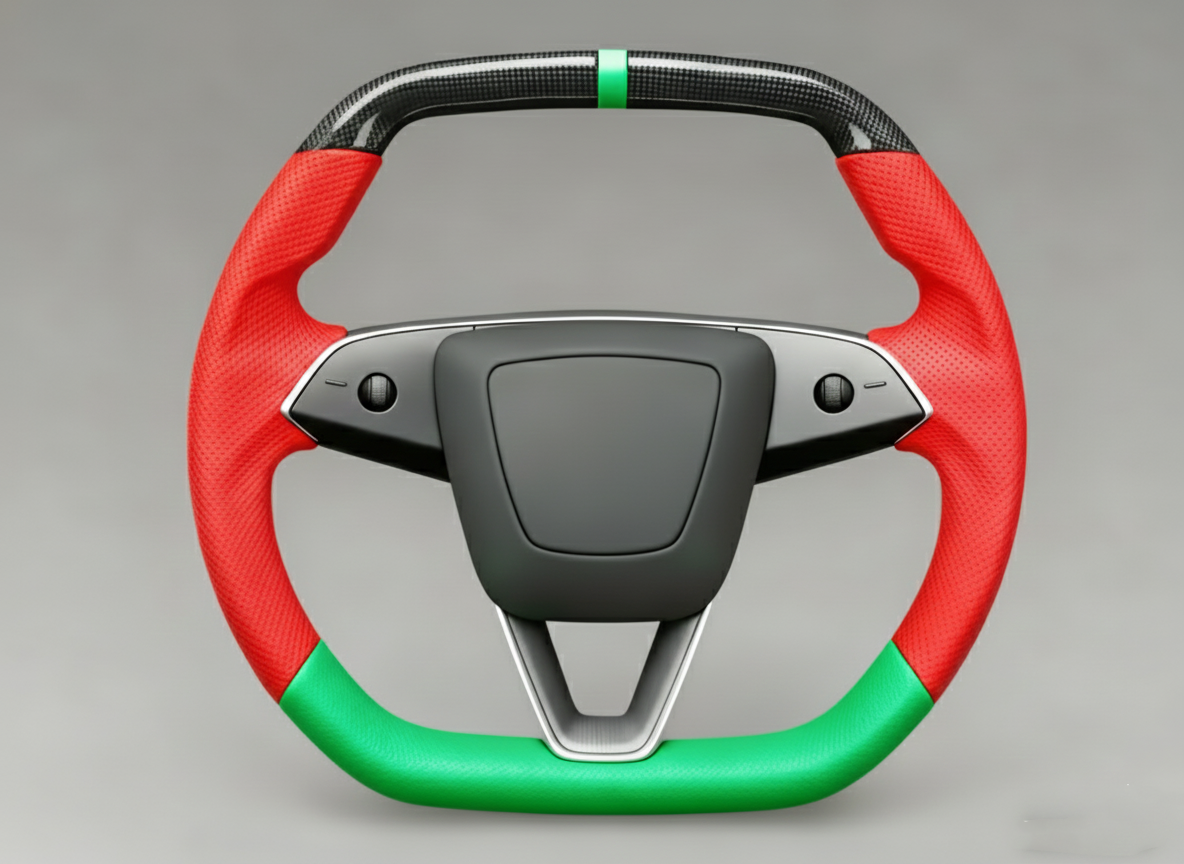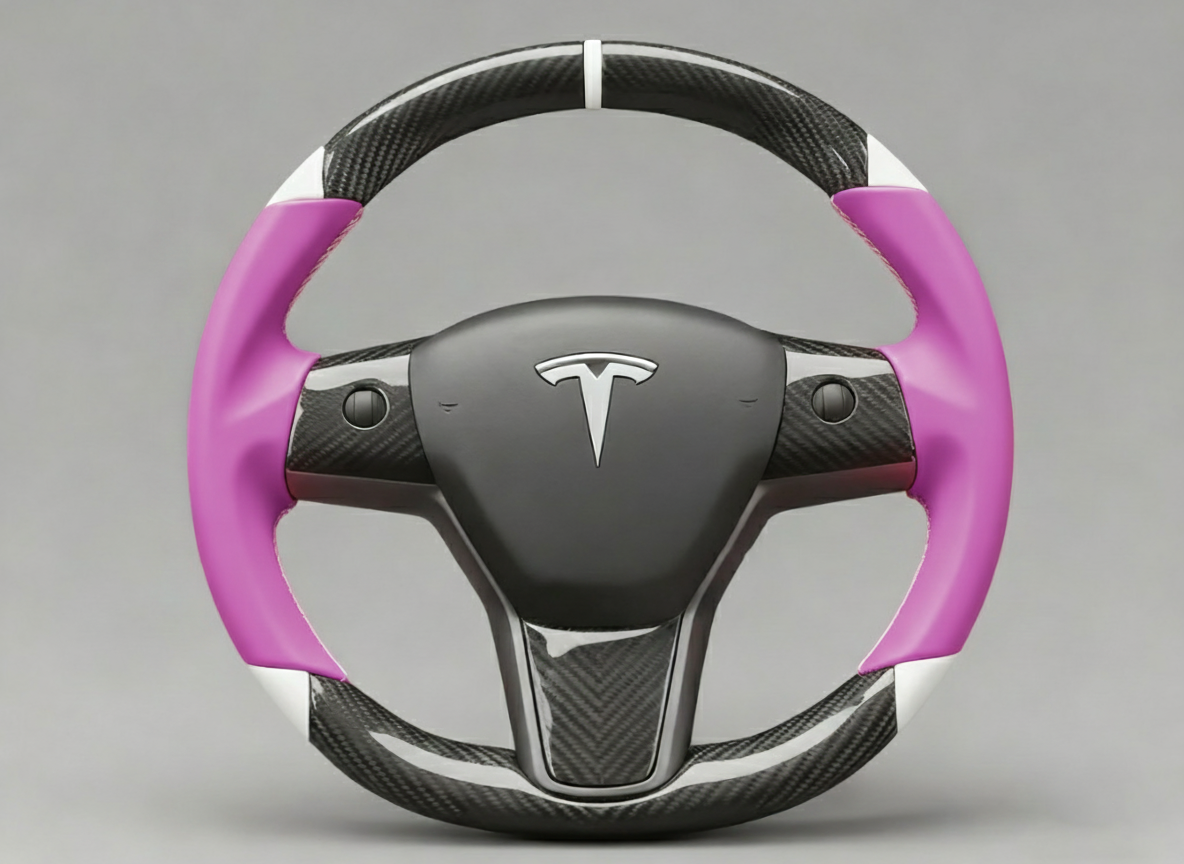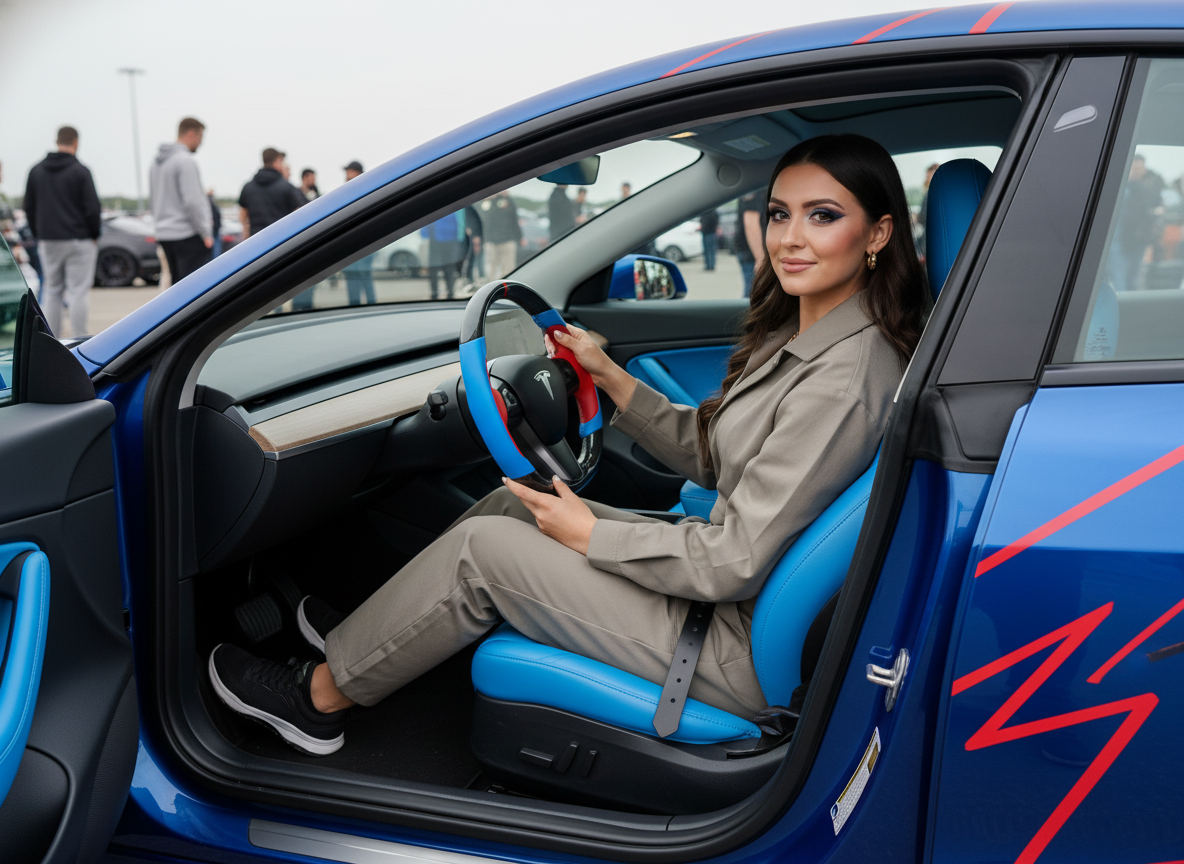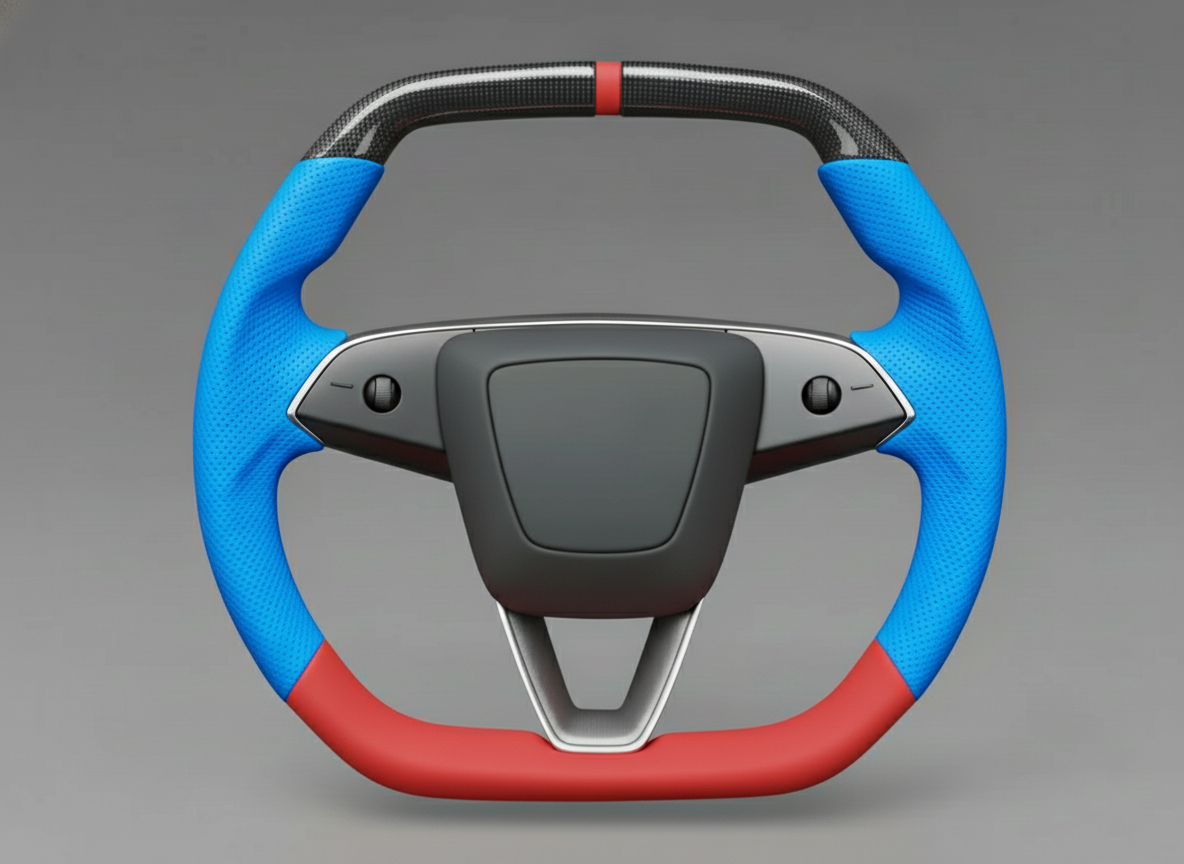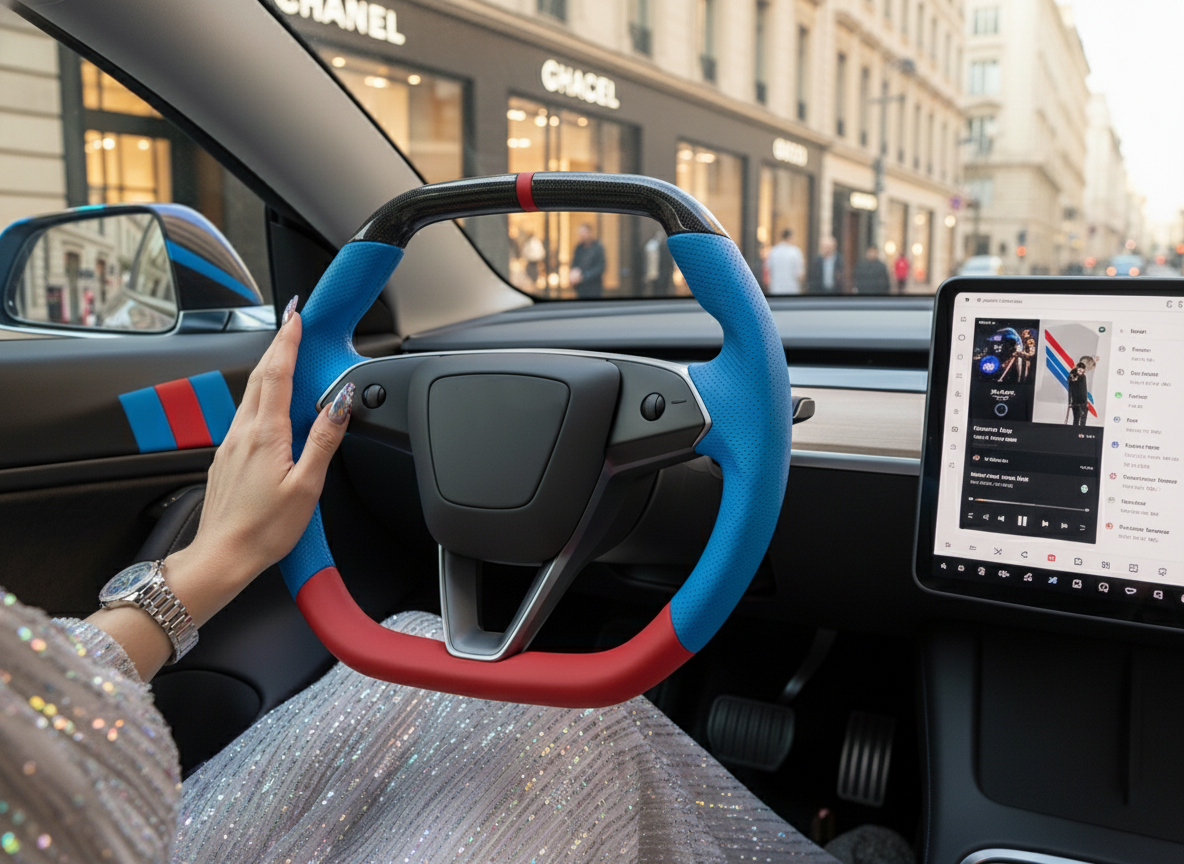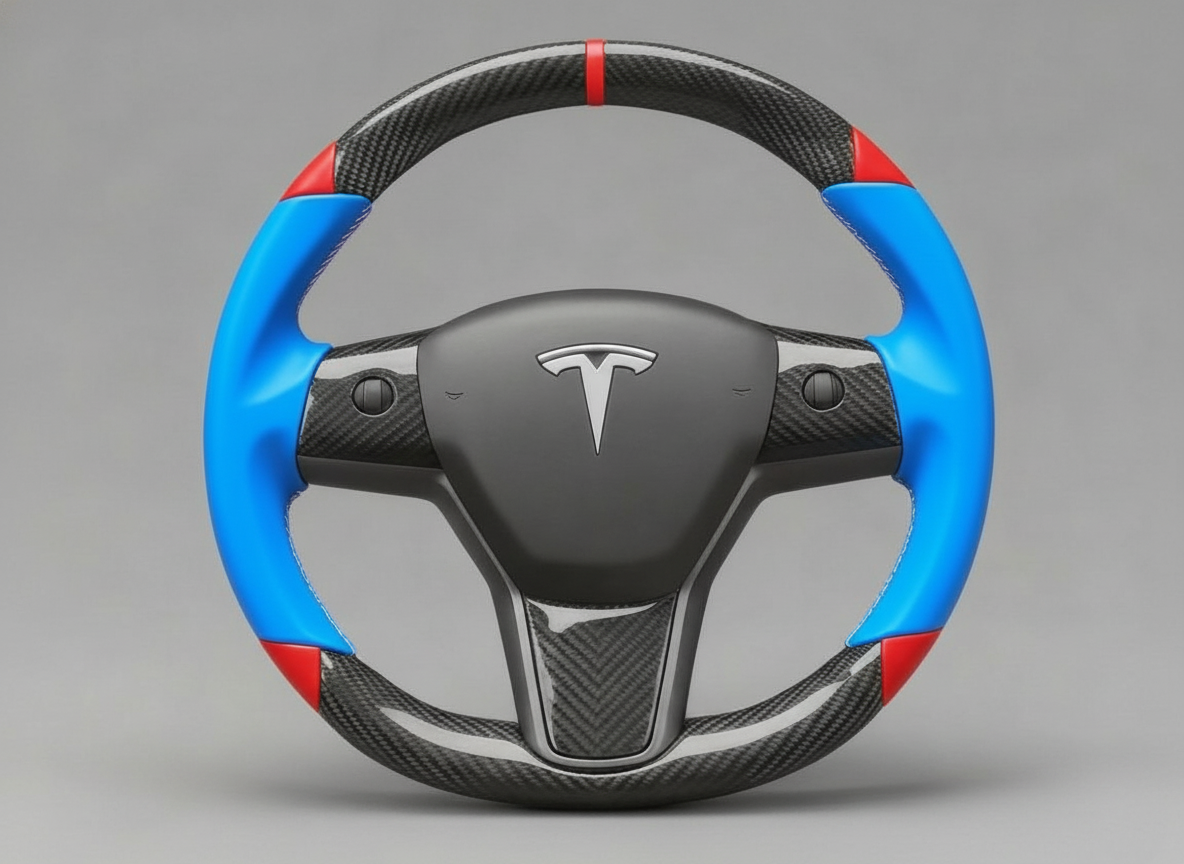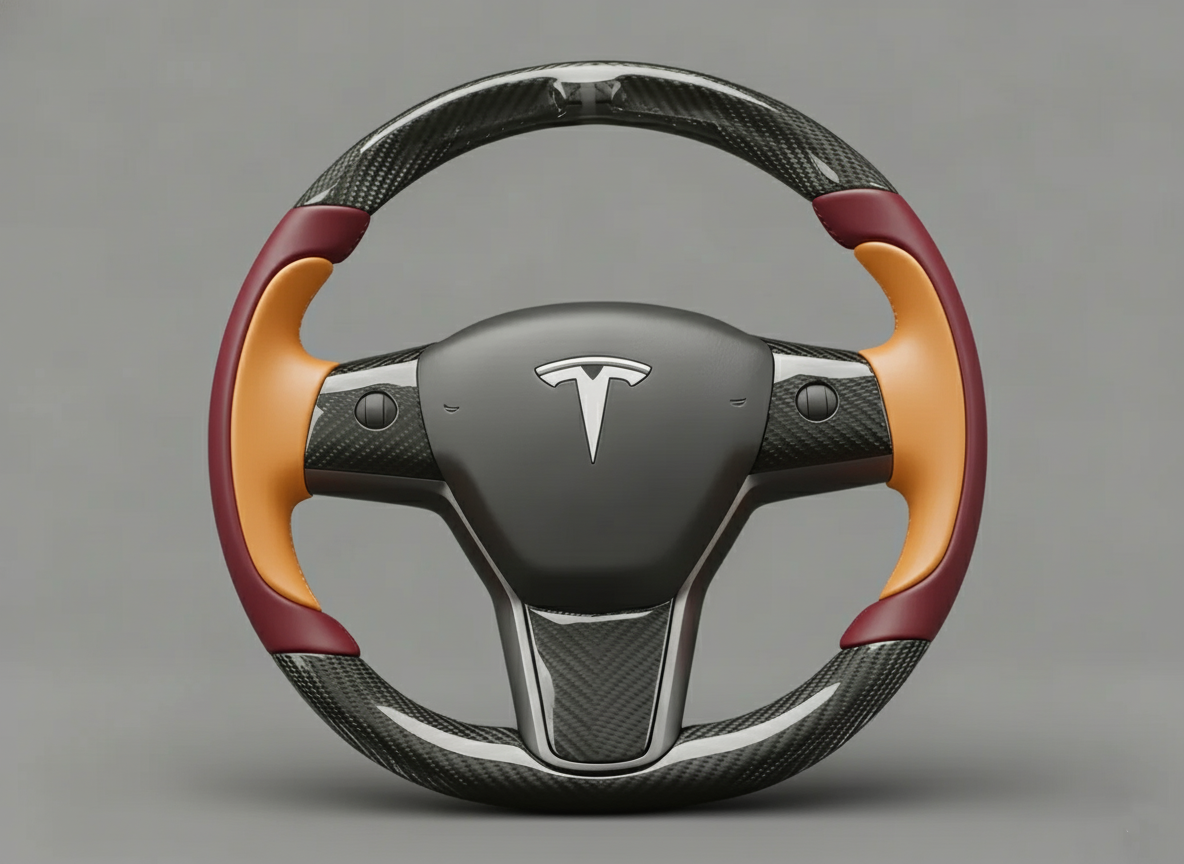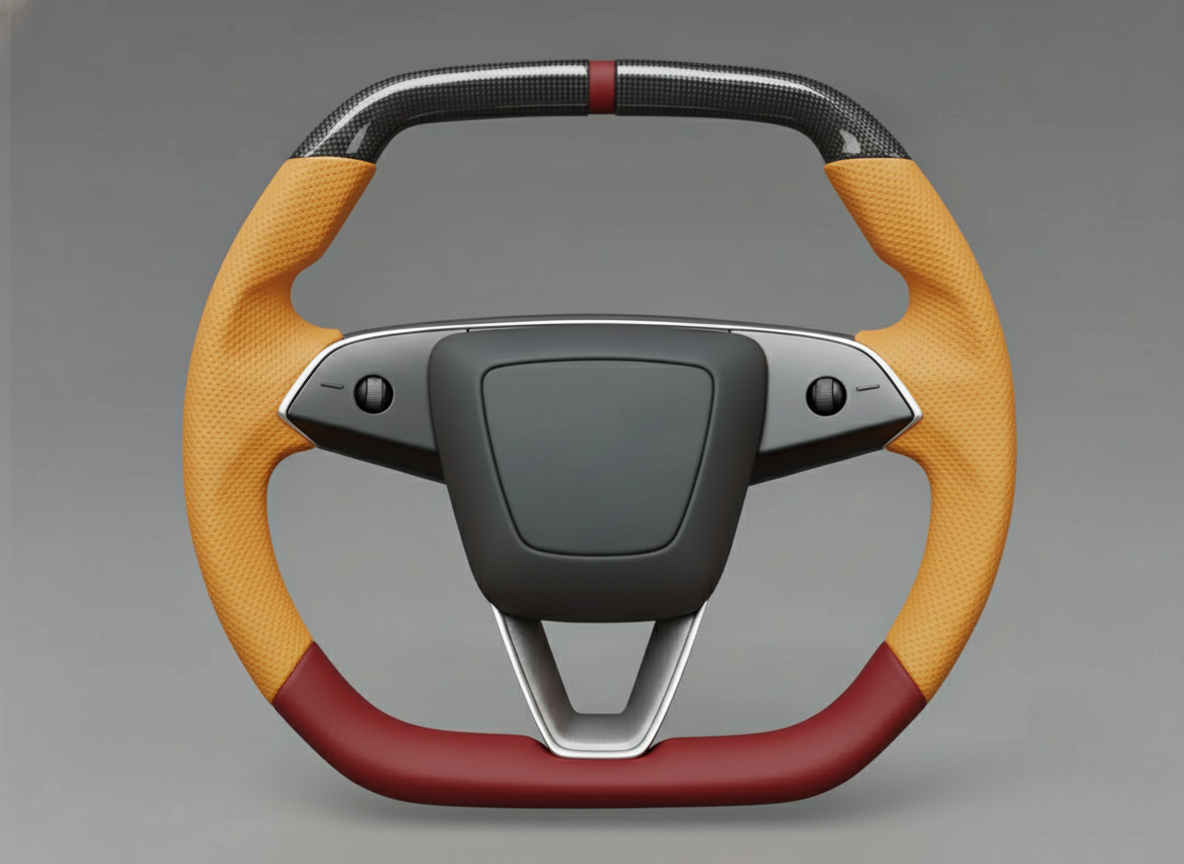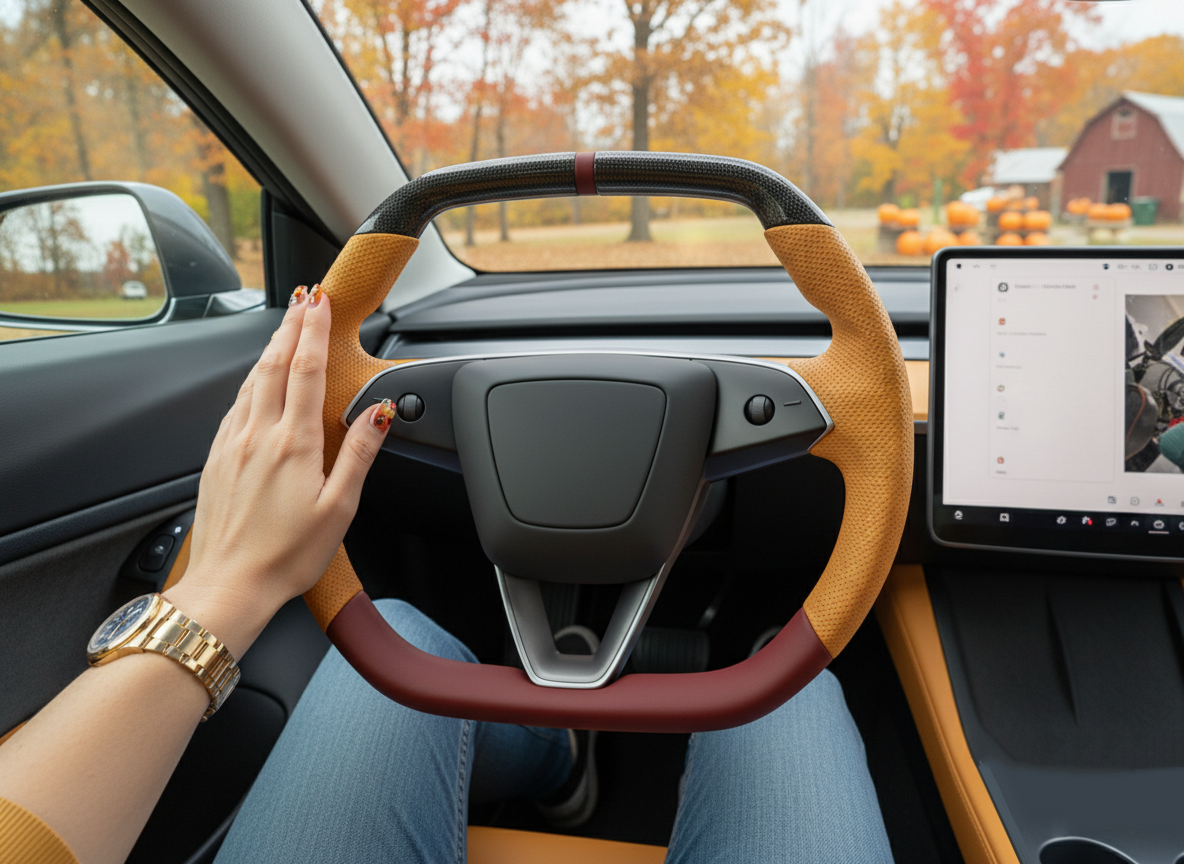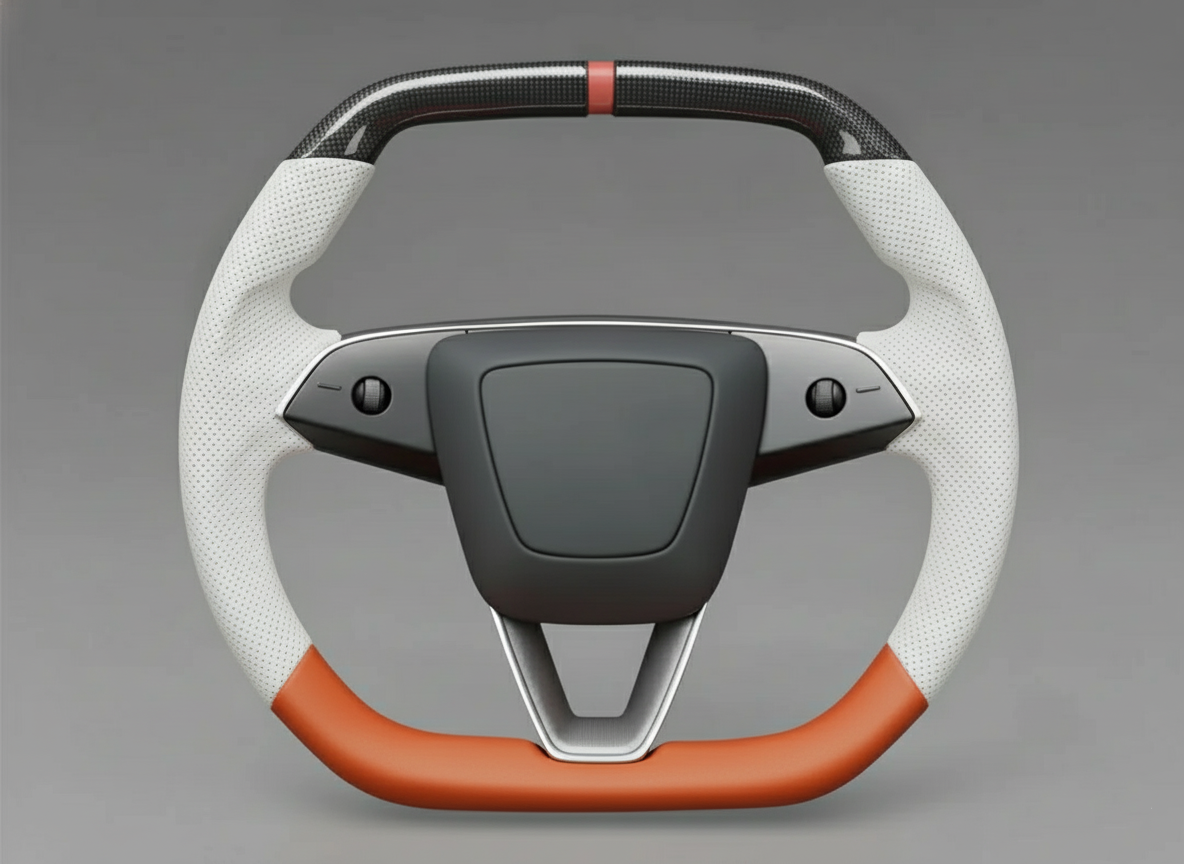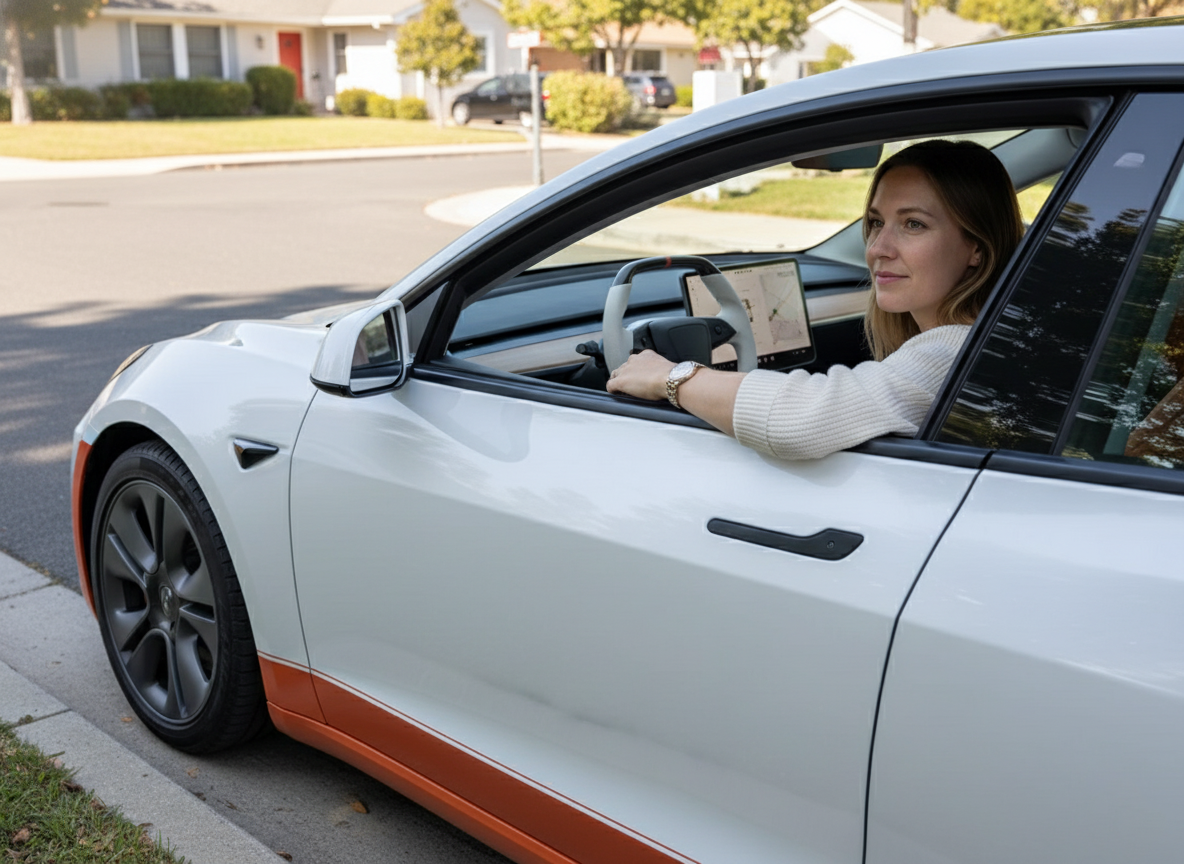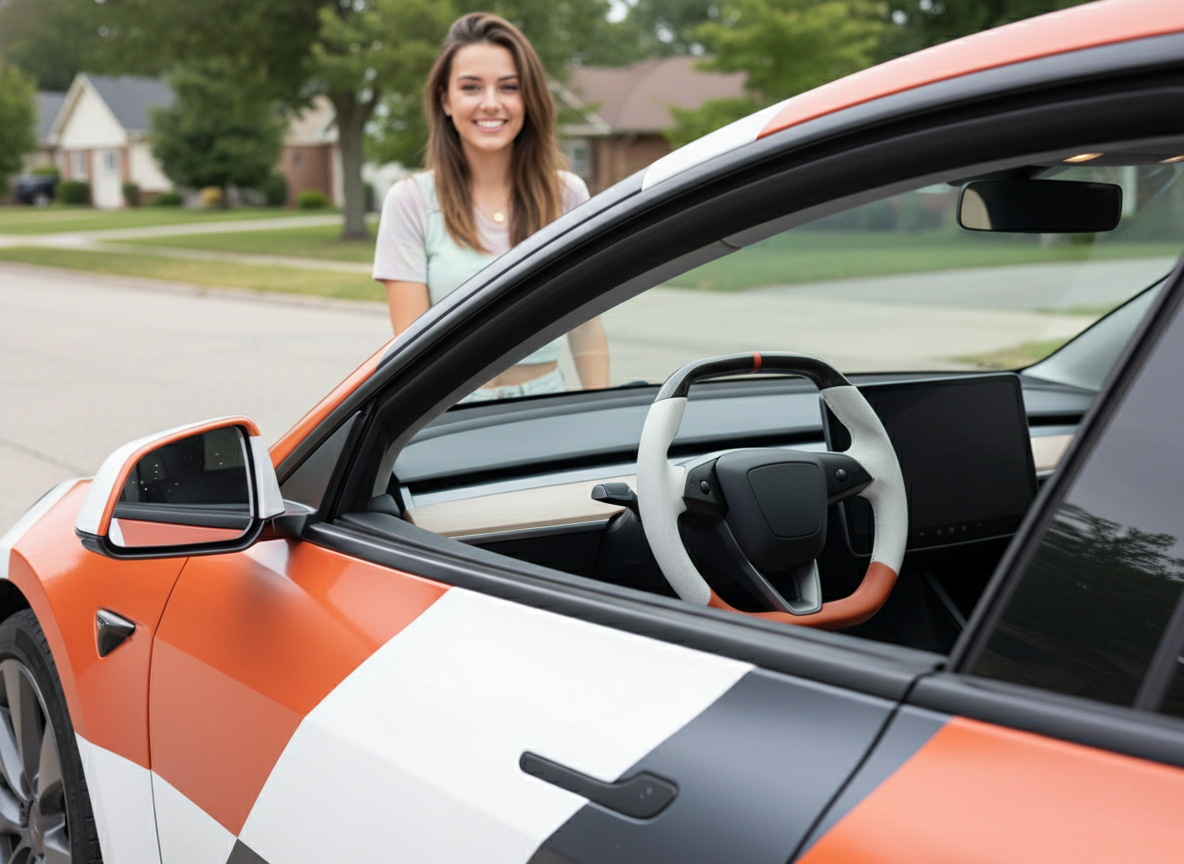
To prevent the Model Y Juniper steering wheel from peeling, please make sure to use a sunshade when parked. It can block 99% of UV rays and reduce the temperature by about 15°C to prevent sun damage.
Before driving, ensure there is no hand cream or hand sanitizer containing 75% alcohol left on your hands, as these chemical components will corrode the vegan leather coating.
Simply wipe it gently with an alcohol-free wet wipe once a week, and immediately use a dry cloth to absorb the moisture.
Sunshades
For a Model Y parked outdoors during a California summer, the cabin temperature can spike to over 140°F (60°C) within 40 minutes.
This high temperature, combined with direct UVA/UVB exposure, increases the volatilization rate of plasticizers in the steering wheel's polyurethane (PU) synthetic leather surface by 40%.
Using a windshield sunshade can reduce the steering wheel's surface temperature by 30°F to 50°F and block 99% of UV penetration.
Different Temperature Reactions
When the outdoor temperature reaches 85°F (about 29°C), the temperature on the dashboard and steering wheel surface of a Model Y parked in an unshaded Texas parking lot will climb to 104°F (40°C) within 10 minutes. Polyurethane (PU) synthetic leather is highly sensitive to heat accumulation. This stepped temperature rise triggers different levels of physical changes within the material.
70°F to 90°F (21°C to 32°C) is the stable zone for polyurethane materials. In this range, the microporous structure of the synthetic leather surface maintains a uniform permeability rate, and the internal isocyanate and polyol molecular chains are tightly bound. According to the ASTM D4157 standard Taber abrasion test, the leather surface can withstand 100,000 friction cycles without breaking.
When the ambient temperature drops below 32°F (0°C), the low winter temperatures in Michigan cause a significant drop in the flexibility of the PU material. The freezing environment reduces the mobility of the plasticizers inside the synthetic leather, making the surface feel harder. If you forcefully rub the steering wheel with your hands during a cold start, the probability of generating surface micro-cracks increases by 15% to 20%.
-
32°F (0°C) and below: Polymer chain segments are frozen, and the material's physical hardness increases by about 20%.
-
14°F (-10°C): Tensile elongation drops significantly, and the leather's elasticity deteriorates.
-
Extreme cold operation: The dry friction coefficient increases, and the wear from a single large-angle steering maneuver slightly increases.
As the cabin is continuously irradiated by sunlight and the temperature rises to the 110°F to 130°F (43°C to 54°C) range, the material begins to exhibit a thermal softening reaction. In this state, the van der Waals forces between the molecules of the polyurethane coating weaken. When gripped, it feels stickier than at room temperature, and the material's yield strength decreases.
Once the temperature reaches 130°F (54°C), the synthetic leather surface's resistance to physical friction drops exponentially. Laboratory data shows that in a 120°F (49°C) environment, the tensile strength of the PU coating is reduced by about 25% compared to 70°F. Moisture, urea, and sebum from hand sweat penetrate more easily into the heat-expanded micropores.
After crossing the 140°F (60°C) watershed, in an Arizona summer, localized cabin temperatures after two hours of sun exposure can reach 150°F to 160°F (65°C to 71°C). This high-heat environment triggers and accelerates the hydrolysis reaction of polyurethane. In regions like Florida, where the relative air humidity is above 60%, the combination of moisture and high temperature makes the degradation process even faster.
The hydrolysis process destroys the polymer chain structure of the polyurethane, breaking long chains down into fragile oligomers. The release rate of phthalate volatile organic compounds (VOCs) inside the material, which are used to maintain flexibility, multiplies. The phenomenon of the "new car smell" thickening in the cabin is accompanied by a loss of adhesion between the steering wheel's base and its surface coating.
-
140°F (60°C): Hydrolysis reaction initiates, and VOC volatilization doubles.
-
150°F (65°C): Base adhesion drops by 30%, and microscopic blistering becomes visible to the naked eye.
-
160°F (71°C) and above: PU molecular chains break, and peeling occurs under slight external force.
Prolonged exposure to high temperatures above 150°F (65°C) causes the most severe structural damage to the frequently gripped 3 o'clock and 9 o'clock positions on the steering wheel. The synthetic leather surface separates from the base and blisters, causing the inner white fabric backing to lose its coating protection. The shear force generated when the driver turns the steering wheel while reversing or making a U-turn can easily rub off the softened skin.
Although extreme parking temperatures exceeding 170°F (76°C) are rare, they can still occur in closed cabins with dark interiors and panoramic glass roofs. At this extreme, the material's aging speed is calculated by the hour. Automotive-grade synthetic leather, which originally has an expected engineering lifespan of 5 to 8 years, will rapidly see its lifespan shortened to 12 to 18 months under continuous thermal shock.
The repeated alternation between parking in high temperatures and driving with low-temperature air conditioning introduces another destructive force. Cooling rapidly from 150°F to 70°F causes physical stress from thermal expansion and contraction, repeatedly pulling at the seams of the synthetic leather. After hundreds of temperature cycles, even without the interference of chemical solvents, irreversible warping and cracking will appear at the edges of the material.
Materials & Cooling
The front windshield area of the Model Y Juniper is approximately 1.8 square meters. On a summer afternoon in Nevada, the solar thermal radiation it receives per square meter is as high as 1050 watts. After infrared (IR) rays penetrate the glass, thermal energy is stored in the enclosed cabin space. The black polyurethane (PU) steering wheel has a thermal emissivity of 0.95, absorbing 75% of the radiant heat from the surrounding environment, causing its surface temperature to soar to 145°F (62°C) within 30 minutes.
Tesla's original laminated glass can block 98% of UVB rays, but about 65% of UVA and a massive amount of near-infrared rays (780-2500 nm wavelength) still penetrate the cabin. Under the high-temperature weather of California, the reflectivity and insulation thickness of the physical shading material determine the volatilization speed of the plasticizers in the steering wheel's PU skin.
| Material Type | Total Solar Energy Rejected (TSER) | Infrared Rejection (IRR) | Physical Thickness (mm) | Surface Temp Drop Test Value (3 Hrs Exposure) |
|---|---|---|---|---|
| Titanium Silver Nano Coating | 92% | 95% | 0.8 | Reduced by 45°F - 55°F |
| Double-Layer Aluminum Foil Bubble | 85% | 80% | 4.5 | Reduced by 35°F - 45°F |
| High-Density Silver Coated 190T | 70% | 65% | 0.3 | Reduced by 20°F - 25°F |
| Single-Layer Black Nylon Mesh 60D | 45% | 30% | 0.1 | Reduced by 10°F - 15°F |
The titanium silver coating material uses PET (polyethylene terephthalate) as a substrate, and its surface is attached with 6 to 8 layers of nano-scale titanium metal and silver ions via magnetron sputtering technology. In a 95°F (35°C) outdoor environment in Florida, this material can reflect 99.8% of ultraviolet rays and over 90% of visible light directly back out of the car. The measured surface temperature of the steering wheel will stabilize around 98°F (37°C), keeping it within the safe physical range for PU material.
-
The PET substrate has a melting point of 480°F (249°C) and will not produce VOCs (volatile organic compounds) that stick to the inside of the glass under a high interior temperature of 160°F.
-
The nano-titanium coating has a high refractive index, offering up to 95% reflectivity for infrared rays in the 780-2500nm wavelength.
-
After undergoing 2,000 continuous hours of ASTM G154 standard accelerated UV aging testing, the reflectivity of the titanium silver coating only drops by about 4%.
-
The umbrella-style skeleton is usually made of 10 aviation-grade alloy steel ribs, capable of withstanding 5,000 bends without deformation.
The double-layer aluminum foil bubble material relies on a 4.5 mm thick trapped air layer in the middle for insulation. The thermal conductivity of air is only 0.024 W/(m·K), which effectively slows down the speed of heat conduction from the windshield into the cabin. Tested in Arizona at an air temperature of 105°F (40°C), the aluminum foil layer keeps the steering wheel temperature around 110°F (43°C).
The limitation of aluminum foil material lies in its surface anti-oxidation capability. When exposed to high-intensity UV rays and high temperatures for long periods, common aluminum foil surfaces will develop oxidation spots after 1,500 hours, causing the Total Solar Energy Rejected (TSER) rate to degrade from 85% to 75%. The larger physical structure also takes up nearly 0.05 cubic meters of storage space in the trunk.
-
The thickness of the aluminum foil reflective layer is usually 12 to 15 micrometers, offering stable physical tear resistance.
-
The internal bubbles have a diameter of about 10 mm, providing a thermal resistance value of 0.2 m²·K/W.
-
The edge binding mostly uses non-woven fabric, which is prone to aging and unthreading under continuous heat at 140°F.
-
Manual folding and storing takes an average of 15 to 20 seconds, and it cannot be placed in the Model Y's door storage pockets.
A 60D density nylon mesh will allow 55% of solar radiation to penetrate unimpeded. After two hours of intense sun exposure at noon in Texas, the localized temperature of a steering wheel using this material will still exceed 130°F (54°C), causing the van der Waals forces between the PU coating molecules to weaken.
The front windshield of the Model Y Juniper has a specific curvature, and generic sunshades typically leave a 1 to 2-inch gap around the A-pillars and the rearview mirror. Sunlight shoots like a laser beam through these light-leakage spots directly onto the steering wheel.
| Sunshade Fit | Light Leakage Area Percentage | Localized Max Temp (10 o'clock/2 o'clock) | Polyurethane Aging Acceleration Rate |
|---|---|---|---|
| Custom Fit (3D Scanned Mold) | < 1% | 95°F (35°C) | 1.0x (Baseline) |
| Premium Generic (with mirror cutout) | 5% - 8% | 125°F (52°C) | 2.5x |
| Cheap Generic (rectangular, no cutout) | 15% - 20% | 142°F (61°C) | 4.0x |
A sunlight beam with a width of 0.5 inches continuously illuminating the 9 o'clock position of the steering wheel will cause the local temperature to jump from 90°F (32°C) to 135°F (57°C) within 15 minutes. The physical stress generated by uneven heating will cause the synthetic leather in that specific area to blister and delaminate prematurely.
Custom-fit sunshades utilize memory steel wire for the outer ring, with a wire diameter of 2.5 to 3.0 mm. When expanded, its own tension keeps it tightly pressed against the black dotted area around the windshield, controlling the light leakage rate to under 1%. When stored, it twists into a disc about 12 inches in diameter, which can be placed in the gap beneath the passenger seat.
Coordinating the physical cooling effect with the Cabin Overheat Protection system in the Tesla App can reduce vehicle energy consumption. When setting 100°F (38°C) as the activation threshold, using a titanium silver coated sunshade can reduce the air conditioning compressor's startup frequency by 60%, dropping the daily battery consumption while parked from 3% to 1.2%.
Parking Sun Protection Suggestions
When parking a Model Y Juniper in US cities between 30 and 45 degrees north latitude, the solar elevation angle at noon around the summer solstice can reach over 70 degrees. The thermal radiation flux striking perpendicular to the windshield reaches a peak of about 1000 W/m² between 1 PM and 3 PM. Even for a short 20-minute grocery run, the surface temperature of an unshaded steering wheel will jump from 75°F (24°C) to 120°F (49°C). At this temperature, the plasticizers in the polyurethane (PU) coating begin to accelerate their release.
The orientation of the car's front greatly impacts the total thermal energy absorbed by the dashboard and steering wheel. In open parking lots in Dallas, parking with the rear of the car facing south utilizes the Model Y's factory-standard dark rear privacy glass (with a light transmittance of only 20%) to block some of the heat. Empirical data shows that parking with the rear facing south for two hours results in a maximum steering wheel temperature approximately 18°F (10°C) lower than parking with the front facing south. This reduces the probability of irreversible deformation of the polymer material caused by continuous high temperatures.
The snugness of the deployed sunshade plays a huge role in blocking thermal convection. The front windshield of the Model Y has a slope angle of about 28 degrees, making it easy to form a wedge-shaped air sandwich 2 to 4 inches thick between the sunshade and the glass. Pushing the sunshade all the way to the front and folding the sun visors on both sides down 90 degrees to hold it in place can compress the volume of this air sandwich by 40%.
Blocking hot and cold air convection allows the static air within this sandwich layer to exert a thermal resistance effect of 0.024 W/(m·K). The steering wheel surface's radiant heat absorption rate drops by about 15%, effectively delaying the synthetic leather's hydrolysis.
Microscopic light-leakage gaps along the sides of the A-pillars and around the rearview mirror create localized heat accumulation effects. A direct light beam just 0.5 inches wide, continuously illuminating the 2 o'clock position on the steering wheel for 30 minutes, will cause that spot's temperature to exceed 135°F (57°C). Purchasing a custom-fit 3D-scanned sunshade that uses 2.5 mm diameter memory steel wire to stretch tight against the edges can strictly limit the light leakage area to less than 1% of the total glass area.
Physical shading cannot entirely stop heat from conducting into the car through the panoramic glass roof and the metal frames of the side windows. Combining shading with the Cabin Overheat Protection feature in the Tesla App creates a dual-layer defense mechanism. By setting the activation threshold to 100°F (38°C), the air conditioning system will intervene in low-power mode when the interior sensors detect the ambient temperature has hit the mark.
-
100°F (38°C) threshold: High compressor intervention frequency, consuming an extra 2.5% to 3% of the traction battery's power per day.
-
110°F (43°C) threshold: Balances energy consumption with interior protection; power consumption drops to around 1.5%, and the PU material remains in the safe zone.
-
Physical shading & AC synergy: Paired with a titanium silver coated sunshade, the AC system's daily average total run time is shortened by nearly 45 minutes.
The overheat protection system is automatically and forcibly disabled when the vehicle's battery level drops below 20%. If you arrive at an Arizona highway rest stop on a long road trip with a depleted battery, the steering wheel will be entirely exposed to extreme temperatures of 150°F (65°C). Running Sentry Mode also increases the parked chassis's static power consumption, drawing about 250 watt-hours (Wh) per hour. Running both features simultaneously in a high-heat environment will result in a power loss of more than 6 kilowatt-hours (kWh) over an 8-hour parking period.
The side windows on both front doors are another main pathway for angled sunlight to burn the 9 o'clock position on the steering wheel. The Model Y's front door glass has a factory light transmittance of 75% and a UV rejection rate of only about 70%. Applying Ceramic Tint to the front side windows, choosing a Visual Light Transmission (VLT) of 35% or 50%, can elevate the Total Solar Energy Rejected (TSER) rate of lateral heat intrusion to over 55%.
The Titanium Nitride (TiN) nanoparticles in the ceramic film can absorb and block 99% of UVA and UVB rays. By cutting off the source of UV rays that destroy the polyurethane molecular chains from the side, the anti-aging lifespan of the synthetic leather is extended by 1.5 times.
Before preparing to end your parked state, proactive intervention via the mobile phone can reduce the risk of damage caused by physical friction. 10 minutes before returning to the vehicle, turn on the Climate function via the Tesla App and set the target cabin temperature to 68°F (20°C). The high-volume circulation of cold air can rapidly bring the steering wheel's parking surface temperature down from 120°F (49°C) to below 80°F (27°C) in 5 minutes.
Lotions
Tests show that when closed cabin temperatures exceed 104°F (40°C), moisturizing products containing more than 20% petrolatum will accelerate their penetration into the PU coating's micropores.
Long-term contact will cause the coating thickness to degrade from the standard 1.2 mm to under 0.8 mm within 6 to 8 months, resulting in irreversible blistering.
It is recommended to apply hand products 15 minutes before driving, or use a dry cloth to wipe away any residue on your palms.
Daily Hand Chemical Products
When Tesla's interior suppliers manufacture the polyurethane (PU) skin for the steering wheel, the thickness is set between 1.2 mm and 1.5 mm. The surface is sprayed with a layer of water-based polyurethane curing agent, only 0.05 mm thick, to provide stain protection. Friction tests conducted by the American Society for Testing and Materials (ASTM) for automotive interior components show that at a room temperature of 72°F (22°C), this coating can withstand over 10,000 cycles of dry friction.
Once daily chemical products applied to the hands get involved in the friction process, physical wear transitions into chemical degradation. CeraVe moisturizing cream, commonly found in drugstores, contains a high concentration of dimethicone (silicone oil) and isopropyl myristate. Gripping the wheel with lotion that hasn't fully absorbed leaves about 0.2 grams of grease evenly smeared across the 10 o'clock and 2 o'clock positions.
During an Arizona summer, the cabin temperature of an outdoor-parked Model Y soars above 140°F (60°C) within 45 minutes. The polymer chains of polyurethane become highly active above 120°F (49°C), and the expansion rate of surface micropores increases by 15%. Silicone oil and lipid molecules lingering on the surface exploit these micropores to seep into the underlying foam layer.
The infiltrated oils cannot evaporate; they gradually soften and dissolve the eco-friendly primer glue connecting the PU leather layer to the underlying foam material. Statistical data from an independent Tesla repair center in Los Angeles indicates that for owners who frequently use hand creams containing mineral oil, the probability of localized steering wheel blistering reaches 68% after driving 15,000 miles (about 24,000 km).
Highly penetrating daily chemical ingredients:
-
Petrolatum: The moisturizing base of Vaseline products.
-
Avobenzone: A common UV absorber in Neutrogena sunscreens.
-
DEET: The active solvent in Off! outdoor mosquito repellent spray.
-
Isopropyl Alcohol: The primary antibacterial agent in Purell hand sanitizers.
-
Polyethylene Glycol (PEG): An emulsifier in Bath & Body Works fragrance lotions.
Alcohol-based products destroy the epidermal layer differently than oils. Isopropyl alcohol at a 70% concentration acts as a strong solvent, destroying the cross-linked structure of water-based polyurethane within 3 seconds. If you grip the wheel while hand sanitizer hasn't completely evaporated (which takes about 20 seconds), the 1.5 to 2.5 PSI of grip force applied by your hands forcibly presses the solvent into the coating.
As the alcohol evaporates, it takes away the plasticizers inside the PU material that are meant to maintain flexibility. After three months of high-frequency contact, the original leather layer's moisture content drops by 30%, making it shriveled like hard plastic. When winter temperatures drop below 32°F (0°C), this shriveled layer develops visible micro-cracks under steering torque.
Besides topically applied products, human sweat mixed with residual cosmetics forms a slightly acidic complex. According to Mayo Clinic data, the sweat gland density on human palms is as high as 400 per square centimeter. During 30 minutes of tense driving, the palms secrete about 1.5 milliliters of sweat, with a pH ranging from 4.5 to 5.5.
This weakly acidic sweat envelopes chemicals like Avobenzone from sunscreen, forming a biofilm about 0.1 mm thick on the surface. When the driver makes stationary steering maneuvers or evasive actions, the friction coefficient between the palms and the wheel instantly jumps from 0.4 in a dry state to over 0.8.
The doubling of the friction coefficient causes the shear force on the surface coating to exceed its design limit by 40%. The polyurethane curing agent, already softened by oils or degraded by alcohol, physically peels off under the tearing of external mechanical forces. Initially, it manifests as a localized loss of matte texture, developing into edge-curling, flaky peeling within 2 to 3 weeks.
Specific operations to reduce chemical penetration:
-
Wait 12 minutes for the skin to absorb moisturizing creams after application.
-
Keep 100% cotton driving gloves in the door storage pockets.
-
Use a lint-free microfiber cloth to dry residual liquids from the palms.
-
Ensure hand sanitizer has air-dried for 30 seconds before operating the vehicle.
-
Aim AC vents at the steering wheel body to lower the surface temperature.
Regular cleaning of daily chemical residues accumulated on the micropore surface delays the degradation process. Standard operating procedures from professional auto detailing shops in California (like Chemical Guys physical stores) suggest doing a light wipe every 500 miles (about 800 km). A pH-neutral (around 7.0) interior-specific cleaner should be used.
When spraying the cleaning fluid, press the nozzle once at a distance of 6 inches (about 15 cm) from the microfiber towel; never spray the liquid directly onto the steering wheel. Keep the pressure applied to the towel under 0.5 pounds, sliding in a single direction along the wheel ring, avoiding the secondary stress destruction to the fragile surface caused by circular rubbing.
By cutting off the physical contact paths of 70% isopropyl alcohol and high-concentration mineral oil with the PU material, and keeping the localized interior standing temperature below 100°F (38°C), the micropores of the steering wheel skin won't be forcibly stretched open by grease, allowing the water-based coating's cross-linked structure to maintain its 1.2 mm factory thickness.
Hand Sanitizers
Commercially available hand sanitizers in North America, such as Purell and Germ-X, contain 62% to 70% ethanol or isopropanol. One pump dispenses 1.5 to 2.0 milliliters of gel onto the palm. The remaining 30% of ingredients consist of water, glycerin acting as a humectant, and carbomer polymers used to increase viscosity.
Drivers typically grip the steering wheel merely 5 to 10 seconds after applying the gel. At this point, the alcohol has not completely vaporized, forming a liquid film about 0.2 mm thick between the skin and the polyurethane skin.
Alcoholic substances cause physical degradation to the water-based polyurethane coating. The steering wheel's 0.05 mm thick top anti-stain curing layer structurally loosens upon contact with solvents exceeding 50% concentration.
| Common Ingredient | Volume Percentage | Volatilization Time at 72°F (22°C) | Physical Impact on Synthetic Material |
|---|---|---|---|
| Ethyl Alcohol | 60%-70% | 15-20 seconds | Destroys polymer cross-linked structure |
| Isopropanol | 65%-75% | 10-15 seconds | Dissolves surface curing agent |
| Glycerin | 1%-3% | Non-volatile | Remains on surface and absorbs particles |
| Carbomer | <1% | Non-volatile | Hinders moisture evaporation |
After experiencing 20 instances of residual liquid contact, the matte finish at the 10 o'clock and 2 o'clock positions of the wheel shows a wear depth of 0.5 mm.
The molecules penetrate the surface layer, extracting the plasticizers embedded within the 1.2 mm foam substrate. Over a continuous 30-day high-frequency contact cycle, the moisture content inside the material drops by 15% to 25%.
The synthetic material, having lost its plasticizers, loses its original flexibility. When the palm applies a 2.0 to 3.5 PSI steering grip force, the hardened surface layer cannot stretch synchronously with the underlying foam material.
-
Days 1-15: The 0.05 mm surface layer dissolves, and the friction coefficient increases from 0.4 to 0.7.
-
Days 16-30: Plasticizers are continuously extracted, and the localized material shrinkage rate reaches 0.1%.
-
Days 31-45: Under 3.0 PSI of stress, 0.1 mm micro-cracks appear at the seam edges.
-
Days 46-60: The top layer separates from the bottom adhesive backing, forming 5 to 10 mm bulges.
For vehicles parked in an open Texas parking lot, the cabin temperature climbs to 130°F (54°C) within 60 minutes.
In a 130°F (54°C) environment, the expansion rate of surface micropores reaches 12% to 18%. Trace amounts of alcohol, covered by glycerin and sealed within the micropores, expand when heated, forming free gas pockets between the leather layer and the primer glue.
The thermally expanded gas exerts an upward thrust of 0.5 to 0.8 PSI against the bottom of the skin. The bonding strength of the eco-friendly water-based glue used by assembly suppliers drops by 40% when the environment exceeds 115°F (46°C).
| Cabin Internal Temp | Surface Micropore Expansion Rate | Primer Adhesion Loss Percentage | Time to Ungluing/Blistering |
|---|---|---|---|
| 70°F (21°C) | 0% | 0% | Over 24 months |
| 90°F (32°C) | 5% | 10% | 12-18 months |
| 110°F (43°C) | 10% | 25% | 6-9 months |
| 130°F (54°C) | 18% | 40% | 3-5 months |
The dual physical effects of reduced viscosity and air pressure thrust cause the epidermis to lift. Blistering is concentrated on the upper half of the wheel, reaching 0.5 to 1.5 inches in diameter, and generally occurs after the vehicle has driven 6,000 miles (about 9,600 km).
The prerequisite for blocking solvent transfer is providing sufficient evaporation time. Under conditions of 72°F (22°C) and 45% relative humidity, 2.0 milliliters of 70% ethanol on the hands takes 25 to 30 seconds to completely vaporize.
After the evaporation process ends, the glycerin, accounting for 1% to 3% of the volume, still adheres to the skin. This humectant inevitably transfers to the steering wheel surface, altering the localized pH to a mildly acidic 5.5 to 6.0.
-
Strictly limit the amount of hand sanitizer pumped per use to 1.0 milliliter.
-
Continuously rub hands together for more than 30 seconds until the skin surface is completely dry.
-
Ensure the relative humidity between your fingers drops to zero before undertaking driving operations.
-
Wipe once a week with a neutral cleaner that has a pH of 7.0.
-
Use 100% pure water wipes to clear away residues accumulating in frequently gripped positions.
Use a dry microfiber towel to glide uniformly in one direction, taking away 80% of newly transferred glycerin from the surface. Maintain the thickness of the 0.05 mm top coating, severing the physical path for the bottom 1.2 mm structural layer to come into contact with chemical substances.
Extending Lifespan
The polyurethane (PU) steering wheel provided by Tesla's suppliers has a designed lifespan of 150,000 miles (about 240,000 km) under industrial standard testing. Maintaining the physical integrity of the 1.2 mm foam layer and the 0.05 mm water-based coating requires strict control of mechanical friction and parking environment temperatures.
Mechanical stress generated by daily driving habits, compounded by high cabin temperatures, speeds up the degradation of the top coating. When reversing or making a U-turn, drivers have a habit of using the heel of a single palm to press down on the wheel for quick 360-degree rotations.
This single-handed steering causes the physical friction force between the palm and the PU surface layer to spike sharply within 0.5 seconds. The vertical downward pressure applied by the palm typically reaches 8.0 to 12.0 PSI, and the accompanying shear force exceeds the physical yield strength of the water-based polyurethane curing agent.
Data from automotive engineering testing institutions in Michigan shows that the localized frictional heat generated by stationary steering will instantly raise the local surface temperature by 4°F (2.2°C).
Adopting an alternating two-handed steering method at the 9 o'clock and 3 o'clock positions evenly distributes single-point friction across the entire ring structure. The average contact pressure in a two-handed grip state drops to 1.5 to 2.5 PSI, vastly delaying the physical wear rate of the coating.
Reduce heat accumulation inside the cabin when parked to prevent the eco-friendly polyurethane bottom glue from undergoing a softening reaction under high temperatures. Field data from the summer in Las Vegas, Nevada, indicates that after 45 minutes of sun exposure, the surface temperature of unshaded black interiors reaches 155°F (68°C).
Placing a polyester fiber sunshade coated with a silver reflective layer blocks 99% of UVA and UVB rays from entering the car. The reflective action of the front windshield keeps the resident temperature on the steering wheel surface stably below 95°F (35°C).
-
Choose a double-layer bubble aluminum foil thermal shade that is over 2.0 mm thick.
-
Ensure the physical gap between the sunshade edge and the A-pillar is less than 0.5 inches.
-
Lower the windows by 0.2 inches when parked to maintain internal air convection.
-
Set the Tesla App Cabin Overheat Protection threshold to 100°F (38°C).
After blocking UV rays and high temperatures, the 0.1 mm weakly acidic human lipid layer attached to the steering wheel needs to be stripped away regularly. Maintenance logs from Adam's Polishes, an independent auto detailing center in Los Angeles, record that performing a surface degreasing operation every 14 days reduces the probability of blistering by 82%.
Use dedicated interior cleaners with pH values strictly controlled at 7.0, such as CarPro Inside or Koch-Chemie Pol Star. Avoid using alkaline degreasers (pH > 9.0); highly alkaline liquids will cause the polyurethane molecular chains to break within 3 minutes.
Dilute the neutral cleaner into distilled water at a 1:10 ratio to lower the surfactant concentration, preventing detergent components from remaining inside the 0.05 mm micropores.
Spraying the diluted cleaner must be paired with an appropriate physical wiping tool. Select an edgeless microfiber towel with a weight of 300 GSM to 350 GSM; a fiber fineness of 0.4 denier can penetrate deeply into the 0.02 mm synthetic leather texture grooves.
Fold the towel in half twice to form an 8-layer buffer structure, and spray 2.0 milliliters of liquid onto the cloth surface. Maintain 0.5 pounds of downward pressure and slide unidirectionally 3 times along the wheel's natural curve, sweeping away the accumulated 1.5 grams of sweat and dust mixture.
After the cleaning process is completed, replenish the surface tension and material moisture lost due to physical wiping. Apply a water-based interior protectant (like 303 Aerospace Protectant) to form a 0.01 mm antistatic sacrificial layer on the surface.
-
Spray 1.0 milliliter of water-based protectant onto a polyurethane sponge applicator pad.
-
Apply evenly and let it sit for 3 to 5 minutes waiting for the liquid to fully cure.
-
Use a dry 350 GSM towel to wipe away 10% of the excess reflective residue.
-
Maintain the factory-set 8% matte gloss reflectivity on the wheel surface.
The UV inhibitors added to the water-based protectant provide sun protection equivalent to SPF 40. Repeat the application process every 30 days to make up for the chemical protection layer thickness lost at an attenuation rate of 5% per month during daily driving.
When encountering long-term parking schedules exceeding 7 days, all continuous physical stress that could cause material deformation must be severed. Complete vehicle warehousing specification documents from the Port of Long Beach, California, require that the steering wheels of all warehoused vehicles must be returned to the 0-degree straight position.
The torque sensor inside the steering column will continuously transmit 3.0 to 5.0 N·m of residual torque to the wheel body while in a biased state. Asymmetric stress lasting up to 168 hours will cause the polyurethane foam layer to experience a 0.2 mm permanent compression deformation on one side.
Straighten the steering wheel and cover the entire wheel with a white 100% cotton protective cover to prevent 2.5-micrometer suspended particulate matter settling in the cabin from attaching to the surface micropores.
Commercially available Alcantara or modified carbon fiber protective covers are fixed using an internal 0.5 mm anti-slip silicone strip. The 4.0 pounds of physical clamping force applied to the silicone strip impedes the natural thermal expansion and contraction of the synthetic material when dealing with dramatic cabin temperature differences from 30°F (-1°C) to 120°F (49°C).
After removing a hard protective cover that has been installed for over 90 days, a permanent indentation up to 0.3 mm deep is usually left at the 12 o'clock position on the wheel. Maintaining the original elastic characteristics of the 1.2 mm foam layer requires the physical contact surface to always remain in an exposed, bare-wheel state with 0 additional pressure.
Care
Use a microfiber cloth with a density greater than 300 GSM, along with a neutral cleaner with a pH between 7-8 or distilled water for wiping.
The PU material surface has a 0.1-0.2 mm anti-wear coating; applying physical wiping pressure over 15 pounds or contacting it with isopropanol concentrations greater than 10% (common in sanitizing wipes) will cause the coating to dissolve and peel.
For daily care, liquid should be sprayed onto the towel for unidirectional wiping. This maintains the factory-set low-gloss matte texture of 5-10 degrees.
Consumables & Solvents
Using a microfiber cloth with a density of 300 to 400 GSM, paired with a sliding friction coefficient of 0.15, can reduce physical cutting forces to a minimum, preventing the 0.1 mm anti-wear coating on the surface from peeling off due to frictional heat.
The suggested fiber blend ratio for the towel is 80% polyester and 20% polyamide. The polyamide component brings about a microscopic capillary effect, capable of absorbing 7 times its own weight in liquids and free sebum. The edgeless ultrasonic cutting process removes traditional nylon seams, avoiding localized point pressures exceeding 5 pounds when force is applied.
When washing this towel, the washing water temperature must be kept below 40°C (104°F). Water temperatures exceeding 60°C will cause the polyamide molecular chains to shrink and deform, making the fibers stiff and harsh. Utilizing a specialized microfiber detergent with a pH around 8.0 prevents the cationic surfactants found in standard fabric softeners from completely clogging the fiber's micropores.
Completely dry microfibers carry a static charge of 300 volts, and must be paired with a liquid medium to provide interfacial physical lubrication. Over 90% of the weight in commercially available cleaning products is a water base, and the purity of this water fundamentally determines the amount of inorganic residue left on the surface after wiping.
Standard city tap water contains large amounts of free calcium and magnesium ions, usually with a hardness above 100 ppm, which leaves behind a 0.01 mm thick white calcium carbonate crystal after complete evaporation. Using deionized or distilled water with an electrical conductivity below 5 µS/cm as a base solvent prevents these crystal particles from creating secondary scratches on the PU's microscopic texture.
| Solvent Medium | Conductivity Parameter | Crystal Residue Rate After Evap. | Application Safety |
|---|---|---|---|
| City Standard Tap Water | 200-500 µS/cm | Greater than 0.05% | Low |
| Reverse Osmosis Filtered Water | 10-50 µS/cm | Less than 0.01% | Medium |
| High-Purity Distilled Water | Less than 5 µS/cm | 0.00% | High |
The acidity/alkalinity of daily cleaning solutions needs to be strictly maintained within a neutral range of 7.0 to 8.0. Acidic solvents with a pH below 5.0 accelerate irreversible chemical hydrolysis in polyurethane; strongly alkaline degreasers with a pH above 10.0 will saponify the anti-aging protective film on the material's surface.
When looking at the ingredient list of solvents, you must avoid the following specific chemical substances:
-
Isopropyl Alcohol (IPA): A single contact concentration reaching 10% will trigger resin swelling and delamination.
-
Ethanol: Will dissolve the chemical cross-linking agents inside the synthetic leather's surface layer.
-
Dimethicone: Leaves a 0.05 mm highly reflective, dust-attracting oil layer on the surface.
-
d-Limonene: Powerful degreasing action easily causes synthetic materials to dry out and crack quickly.
-
Sodium Hypochlorite: Intense oxidation reactions cause dark leather layers to experience overall whitening.
For amphoteric surfactants in qualified cleaning fluids, their Critical Micelle Concentration (CMC) must be below 0.1%. A single press of the spray head extruding about 1.5 milliliters of liquid, evenly distributed across 100 square centimeters of the towel's surface, can emulsify free-state fatty acids and squalene through non-destructive chemical means.
The specific gravity of raw cleaning liquid is usually around 1.05; diluting it with water at a fixed ratio allows precise control over the surfactant residue amount. For a routine cleaning frequency of once every 14 days, adding 15 milliliters of concentrate into 300 milliliters of distilled water—a 1:20 aqueous dilution ratio—perfectly maintains a surface tension of 0.02 N/m.
After surface stains are stripped clean, the PU loses its original oily physical covering, and strong UV rays and air oxidation can reach the polymer substrate. Spraying a water-based polydimethylsiloxane (PDMS) emulsion with a molecular weight between 10,000 and 50,000 replenishes the ultraviolet (UV) blockers, delaying the breakage of polymer chains.
A qualified water-based protectant provides a high-level UV absorption rate equivalent to SPF 40. When the UVA radiation flux in the front cabin hits 30 W/m², a microscopic protective layer just 0.01 mm thick can slash the photon energy transmitting to the underlying material by more than 90%.
Quantifiable steps for applying a water-based protective spray:
-
Fold towel into four layers: Provides a 5 mm thickness as a physical buffer layer.
-
Spray continuously twice: Obtains a total emulsion load of about 2.5 grams.
-
Apply two pounds of pressure: Forces the emulsion into the microscopic pores of the leather.
-
Let sit for 180 seconds: Wait for water molecules to completely undergo ambient evaporation.
-
Flip to dry cloth to absorb: Removes 0.5 grams of un-crosslinked liquid residue.
Illuminating at a 60-degree angle, an instrument reading falling between 5 GU and 10 GU represents the restoration of the 10% diffuse reflectance standard for factory matte visuals, and the physical sliding friction resistance for a finger remains between 0.4 and 0.6.
Under standard conditions of 20°C ambient temperature and 50% relative humidity, a 0.01 mm thick liquid water film on the steering wheel surface achieves vapor-liquid equilibrium and cures into a film within 45 seconds.
When cabin air temps drop to 5°C (41°F), the latent heat of solvent vaporization significantly decreases, dragging out the film-forming time to over 180 seconds. Turning on the heat pump AC to heat the cabin air to 20°C triples the vaporization rate of water molecules, preventing liquid water from resting on the leather surface for too long.
When summer heat exposure pushes the steering wheel surface temperature past 45°C (113°F), water-based solvents hitting the leather will flash boil within 1.5 seconds. Rapid boiling of the solvent stops siloxane molecules from spreading evenly; you must move the vehicle to the cool shade of an underground garage and let it rest for 15 minutes, waiting for the material to cool below 30°C before operating.
Maintaining high-density consumable standards and strict solvent parameters safeguards the physical lifespan of the anti-wear coating. For every 10,000 miles the vehicle is driven, microscopic thickness wear in the frequently gripped areas of the steering wheel can be kept under 0.015 mm, and the material's porosity remains stably below 5% over the long term.
Cleaning Process
Before executing the physical cleaning job, a 16x16-inch microfiber towel must be folded in half twice. This creates 8 independent 8x8-inch usable wiping surfaces. The folded thickness reaches 5 mm, which can absorb over 3 pounds of vertical downward physical pressure applied by the hand, preventing single-point pressure from destroying the 0.1 mm polyurethane anti-wear coating.
Atomize and spray from a distance of 6 to 8 inches away from the towel surface, pressing the pump once to release 1.2 milliliters of neutral cleaner. The liquid should evenly adhere to one-quarter of the towel's area, maintaining a surface tension of 25 dynes/cm. Never spray the solution directly onto the 14.5-inch diameter polyurethane steering wheel body.
Once free moisture drops down due to gravity, it will seep into the 0.5 mm mechanical gaps around the edges of the left and right multi-function scroll wheels. When the circuit board contacts a liquid containing electrolytes, a microscopic short circuit will occur under the 5-volt operating voltage. The moisture content of the microfiber towel must be controlled below 15%, kept in a physically damp but non-dripping state.
-
Within 10 mm of the scroll wheel areas, lightly sweep with a dry cloth only.
-
Tilt at a 45-degree angle to avoid the plastic seams at the edge of the wheels.
-
Encountering fine dust, use a gas duster with 0.5 Pascal pressure to blow it away.
-
Dwell time must not exceed 2 seconds to prevent static transfer.
The wiping trajectory must follow the standard of unidirectional physical sliding, using the 12 o'clock top position on the steering wheel as the starting coordinate. Using wrist strength to apply a 2-pound downward pressure, fit the damp towel surface against the 35 mm diameter wheel tube. At an angular velocity of 10 degrees per second, glide uniformly along the left outer edge toward the 6 o'clock bottom.
A single slide covers a 180-degree semi-circular arc length, pushing 0.02 grams of free human sebum and squalene off the PU coating. After completing the left-side job, flip the towel to a completely fresh 8x8-inch dry surface. Start again at the 12 o'clock position, following the right outer edge toward the 6 o'clock direction to perform the same unidirectional physical stripping.
When hitting the high-frequency grip zones at 3 o'clock and 9 o'clock, there is usually a buildup of solid sweat crystallization thicker than 50 micrometers attached there. You need to apply 2.5 pounds of downward pressure in these areas and slow the sliding speed down to 5 degrees per second. Adding 1 second of physical contact time allows the amphoteric surfactants in the neutral solution to thoroughly emulsify the inorganic salts.
-
Hold stationary over the 3 o'clock and 9 o'clock areas individually for 3 seconds.
-
Perform up-and-down straight-line translations with a micro-amplitude of 5 mm.
-
Transfer away 0.1 grams of solid inorganic salt attachments.
-
Measure and verify that the friction coefficient in this area has returned to the standard 0.4.
The closed-cell foam layer beneath the polyurethane synthetic leather has a Shore hardness of 20, and excessive vigorous circular scrubbing generates transverse shear force. A transverse physical pull exceeding 10 pounds will snap the 0.05 mm long molecular cross-links within the polymer base material. Unidirectional, straight-line operation reduces the risk of physical destruction by over 80%.
The inner rim of the steering wheel has a 0.2 mm wide industrial stitching trace, and the nylon thread material has a water absorption rate of about 4%. When wiping the inner rim seams, fold the edge of the towel to form a 1 mm sharp angle. Utilize the capillary effect of the fiber, moving along the seam line with a very light 1-pound pressure to absorb the residual 0.05 milliliters of aqueous medium.
Ten seconds after completing the liquid phase wipe, immediately use the towel's remaining 4 fully dry surfaces to execute a physical drying procedure. A liquid water film naturally evaporates in 45 seconds at an ambient temperature of 68°F (20°C). Performing a secondary unidirectional pass with a dry cloth can remove 95% of free water molecules and suspended dirt particles within 5 seconds.
For residual SPF 50 sunscreen or titanium dioxide powder, the physical diameter is usually at the 200-nanometer level. Simple sliding wipes will merely compress the microparticles into the 5-micrometer-deep biomimetic texture of the PU surface layer. You must alter the direction of physical force and adopt a lifting strategy perpendicular to the leather surface.
-
Lay the slightly damp towel flat over the 2 square centimeter stained area.
-
Apply 4 pounds of vertical downward pressure and hold for 5 seconds.
-
Utilize the pores of the 300 GSM fiber to pull straight upward.
-
Repeat the pressing action 3 times until the reflectivity drops below 10 GU.
A relative humidity inside the cabin higher than 70% severely hinders the liquid phase evaporation rate. Before starting work, turn on the vehicle's AC system, set the fan to level 5, and blow out 72°F dry, cold air. The AC evaporator can drop the absolute humidity of the 100 cubic feet of air in the cabin to below 8 grams/cubic meter within 120 seconds.
For the final physical visual check, turn on your phone's LED flashlight to provide a 500-lumen directional light source. Shining at a 30-degree oblique angle onto the steering wheel ring, a normal PU coating should exhibit a 5 GU diffuse reflection state. If 20 GU high-gloss reflection spots appear locally, it indicates that a 0.01 mm thick layer of sebum film remains there.
Embed this 180-second standard physical operational procedure into your vehicle use cycle every 500 miles. The microscopic thickness consumption rate in frequently gripped areas will stabilize at 0.005 mm per 10,000 miles. Intervening according to the laws of mechanics and phase changes completely severs the physical pathways for chemical solvents to permeate and swell within the polyurethane surface layer.