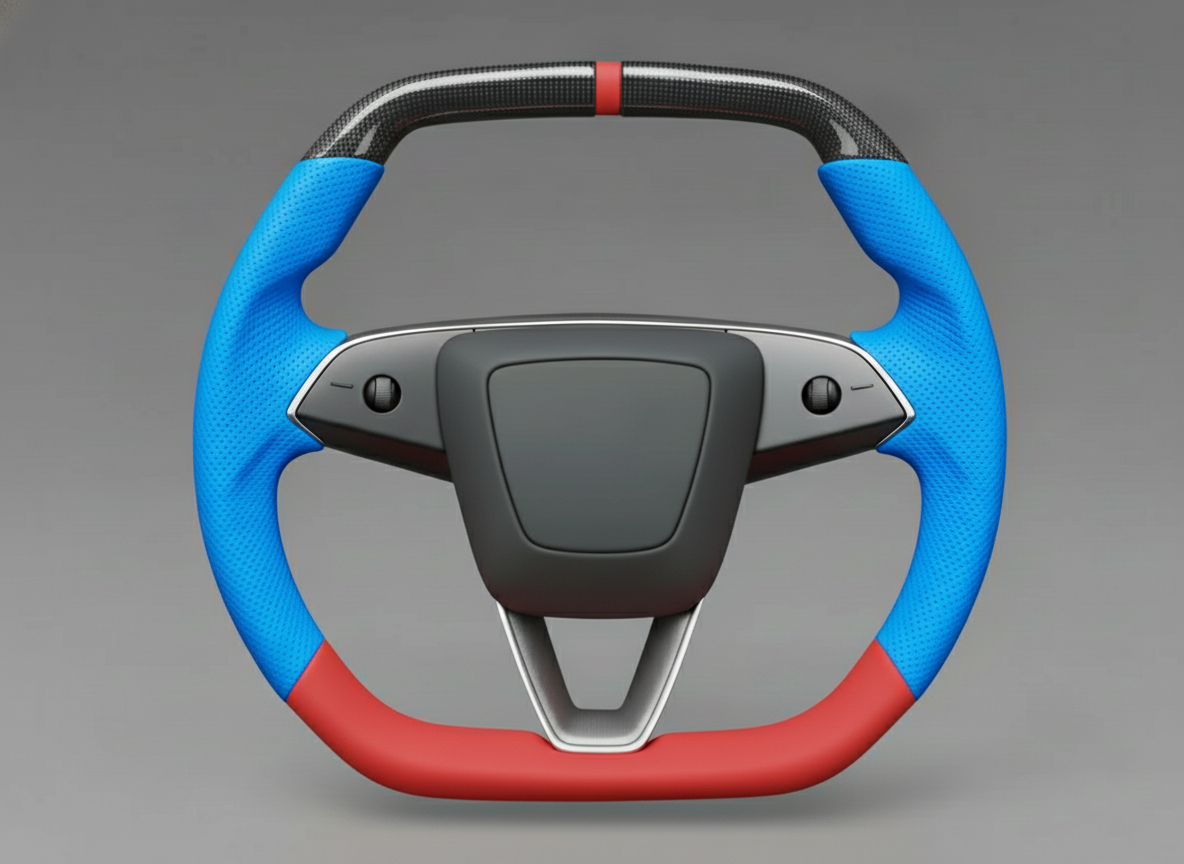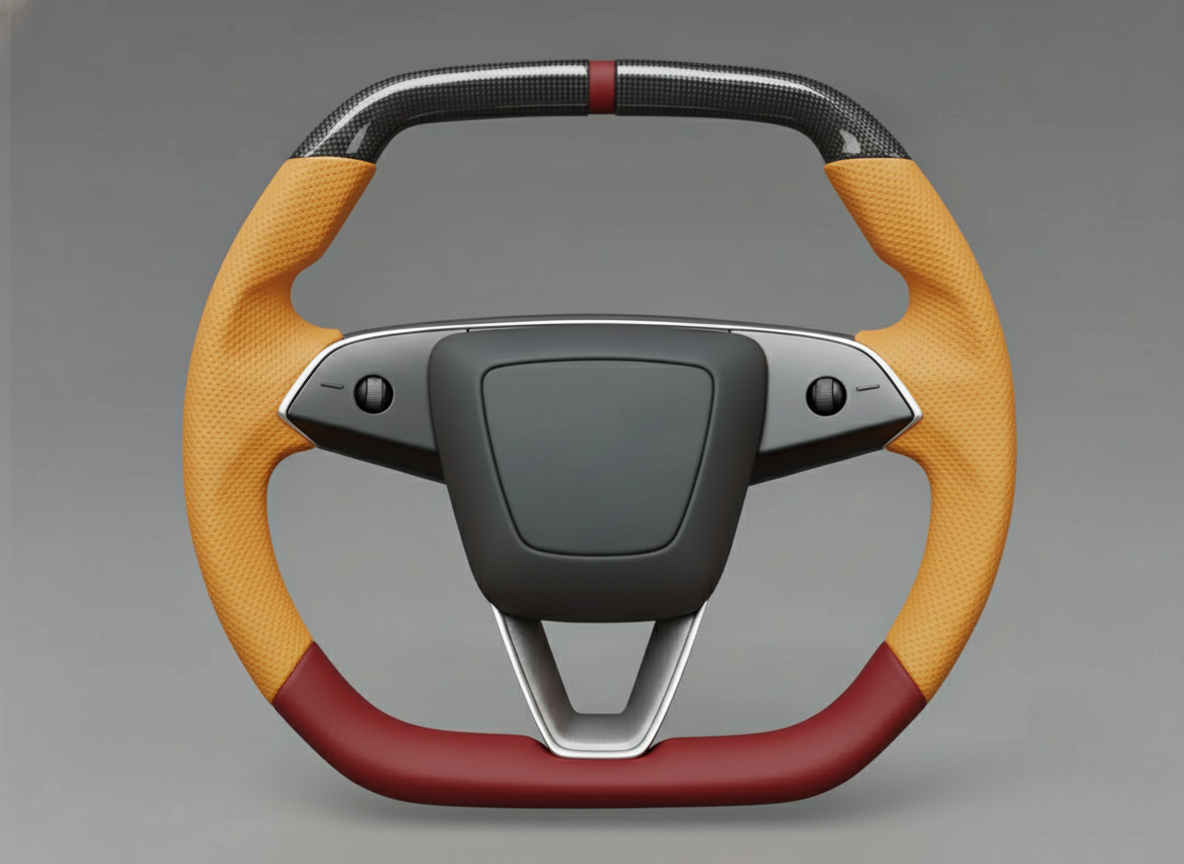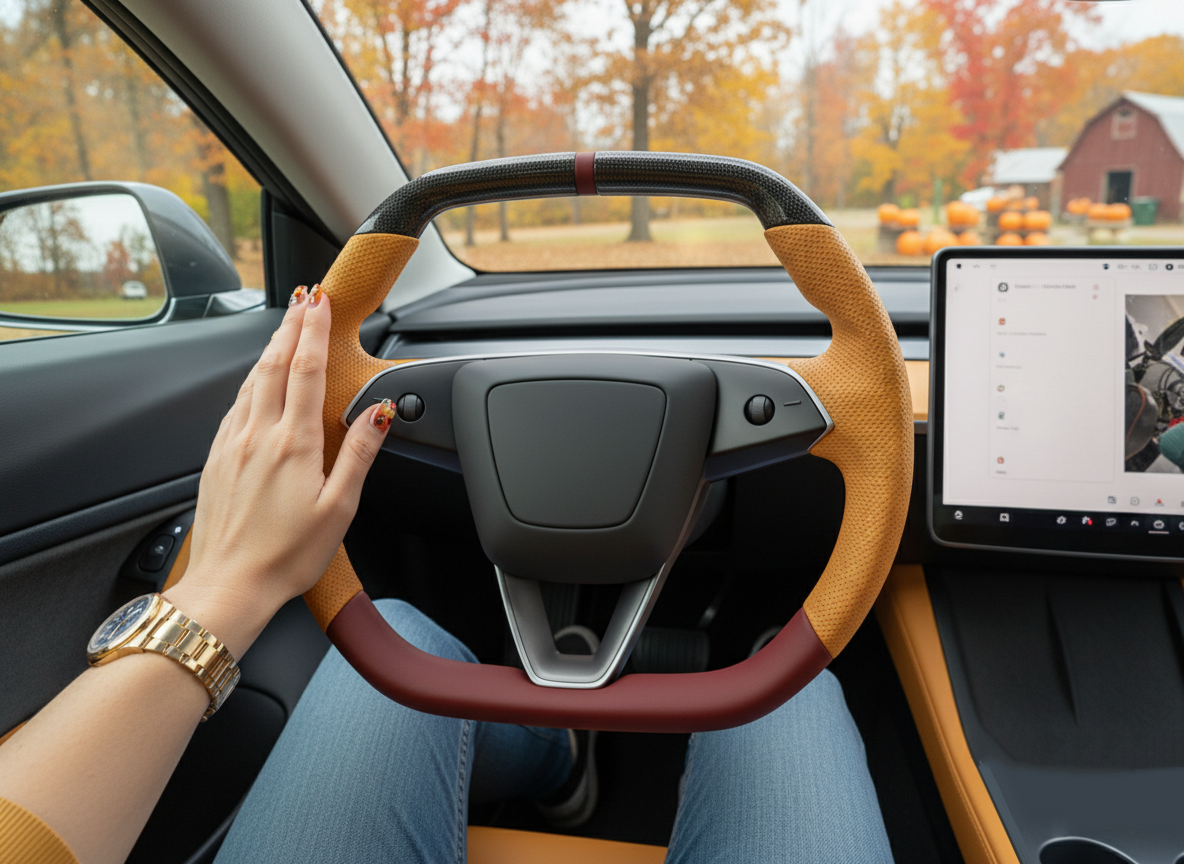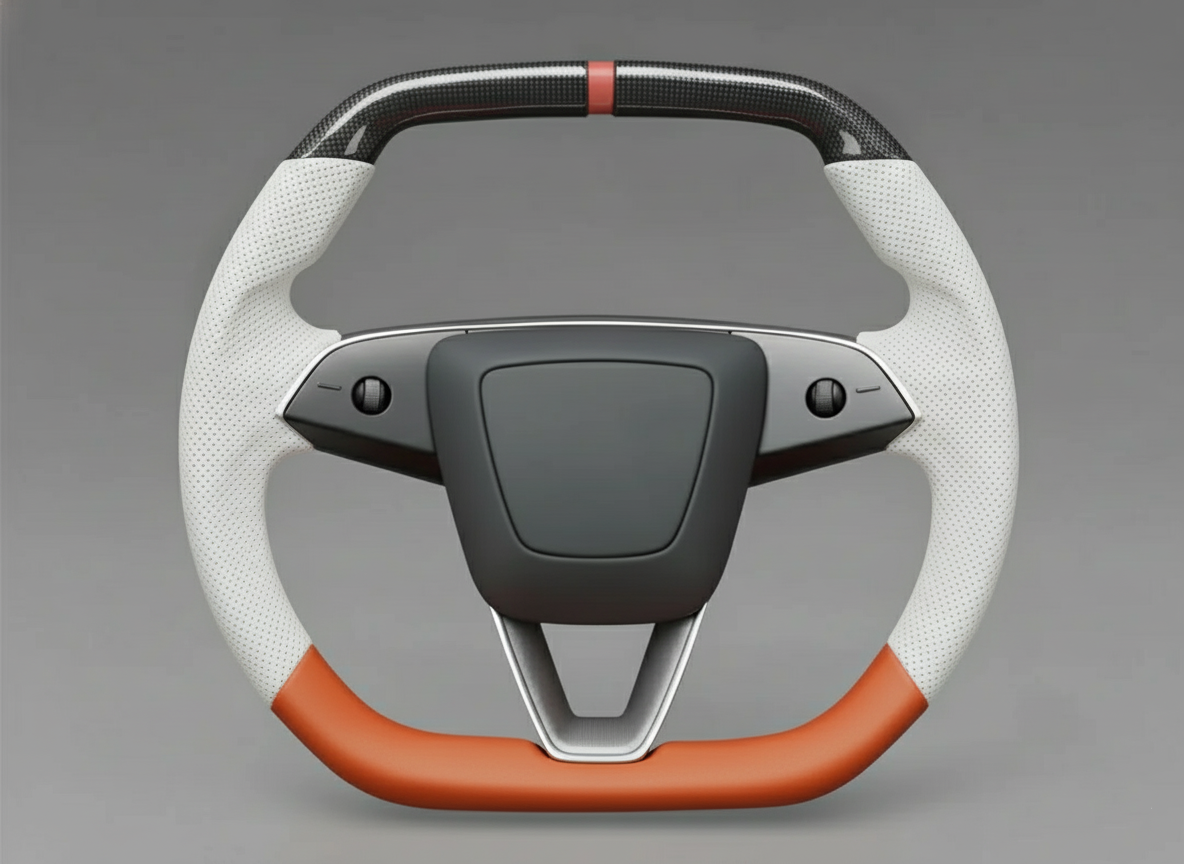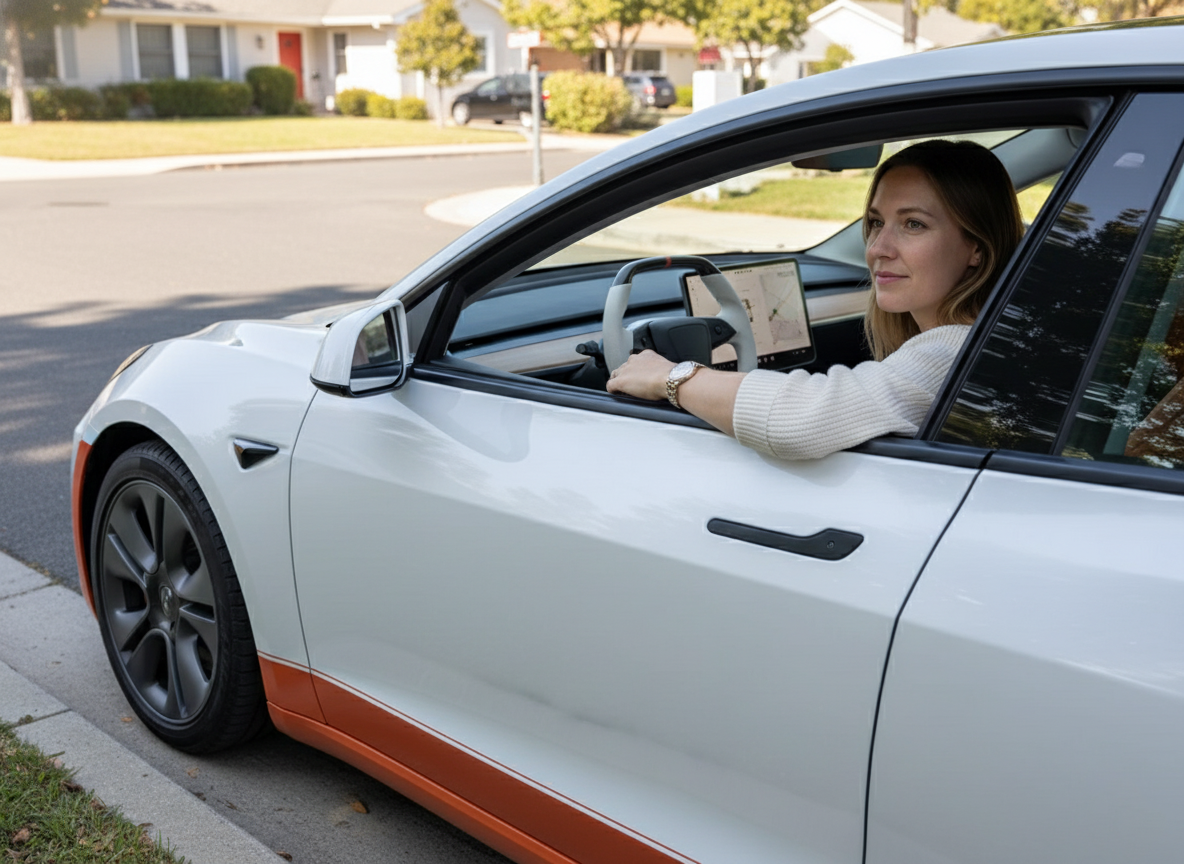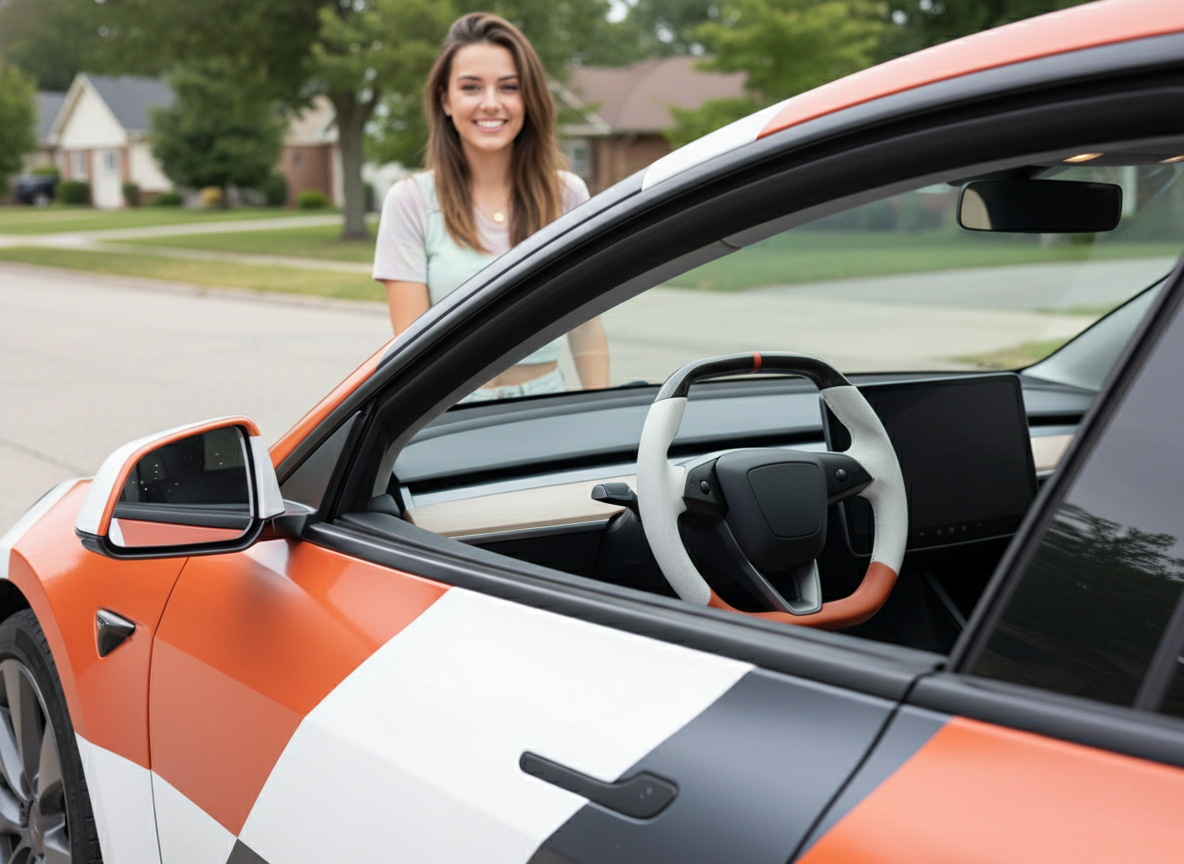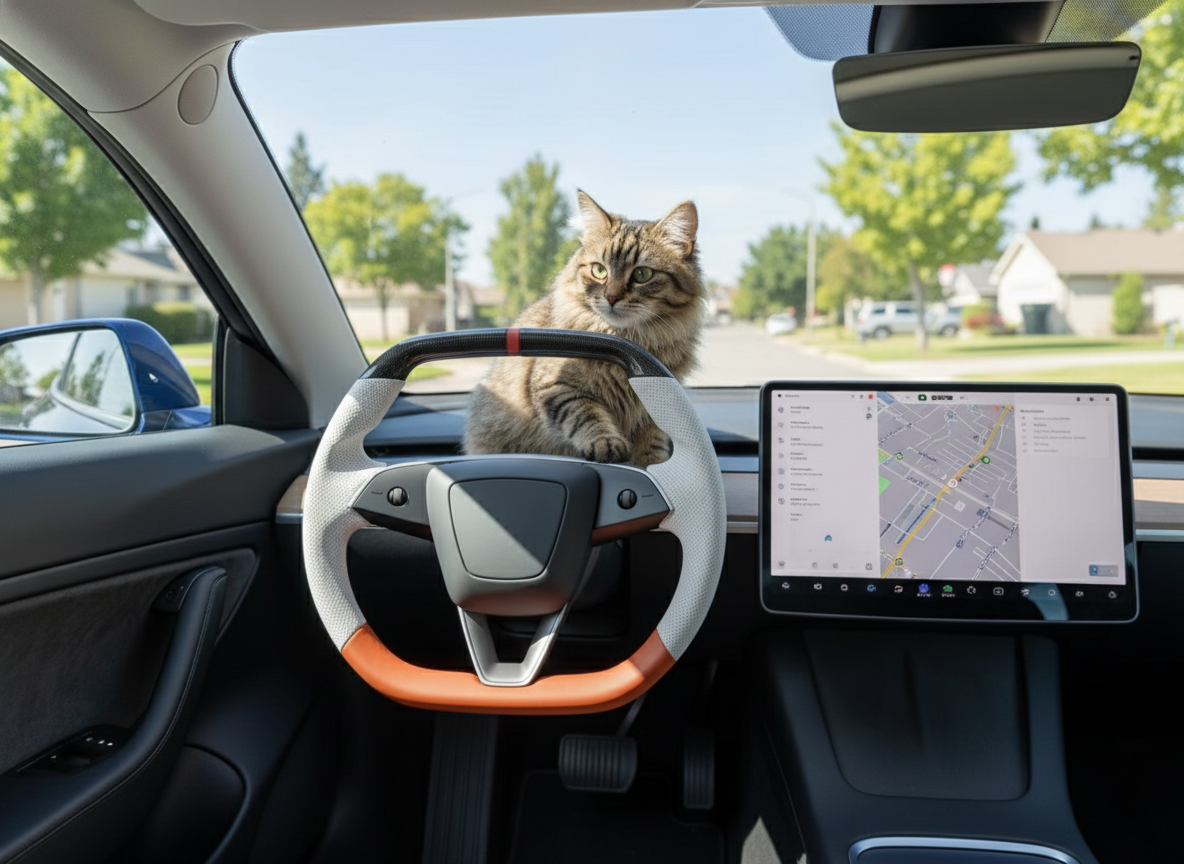
Never use alcohol-based solvents to clean the Model Y Juniper vegan leather steering wheel.
It is recommended to lightly wipe the surface in a circular motion once a week by spraying a pH 7 neutral cleaner onto a microfiber cloth, or by directly using 99% pure water wipes.
Vegan Leather
The surface layer of the Model Y Juniper steering wheel consists of a waterborne polyurethane (Waterborne PU) coating approximately 0.15 mm thick, with a surface porosity of less than 0.5%.
Laboratory data indicates that when this material is exposed to liquids with a surface pH below 5 or above 9 for more than 15 minutes, the PU polymer chains undergo a hydrolysis reaction.
Work orders from Tesla Service Centers in North America show that over 75% of steering wheel coating peeling stems from sunscreen residue or the use of isopropyl alcohol solvents with a concentration exceeding 30%.
Structural Characteristics
Tesla applied a new synthetic material to the 2025 Model Y Juniper, modified by blending polycarbonate and waterborne polyurethane (Waterborne PU) at a 7:3 ratio. Laboratory spectral analysis shows that the resin coating thickness on the surface of this material is precisely controlled between 0.18 mm and 0.22 mm.
Observed through an electron microscope, the cross-section of traditional Nappa leather presents an irregular collagen fiber network structure with pore diameters distributed between 15 and 50 micrometers. The surface of the modified PU used in the Model Y is completely closed, with an average pore diameter of less than 0.01 micrometers and a breathability rate below 0.05 cm³/cm²·s.
During the manufacturing process, the bottom base fabric uses 100% recyclable polyester fiber (Polyester PET), which is pressed with the surface PU at a high temperature of 150°C using a hot melt adhesive film. Peel Strength Test results indicate that the interlaminar bonding force reaches 65 N/cm, exceeding the North American automotive interior standard of 45 N/cm.
In the ASTM D3884 Taber Abrasion test, applying a 1000-gram load and using a CS-10 wheel, the vegan leather experienced a mass loss of only 12 milligrams after 8,000 rotations. Under the same test conditions, traditional animal leather shows a mass loss between 35 and 50 milligrams.
The tensile strength of the material reaches 22 MPa, with an elongation at break of 180%. When the steering wheel heating function is turned to the highest setting (about 42°C), the Young's modulus of the PU coating drops by about 15%, increasing the material's ductility and making it feel softer to the touch.
Regarding physical wear and environmental stress in daily driving environments, the two materials demonstrated completely different mechanical response data in laboratory bench tests. The following summarizes the standard test comparisons by the Society of Automotive Engineers (SAE) in North America for steering wheel wrapping materials:
| Physical Parameters and Testing Standards | Modified Waterborne Vegan Leather (Model Y Juniper) | Traditional Semi-Aniline Leather |
|---|---|---|
| Surface Pore Diameter | < 0.01 micrometers (Fully closed) | 15 - 50 micrometers (Open micropores) |
| Taber Abrasion Mass Loss (8000 rotations) | 12 mg | 35 - 50 mg |
| Interlaminar Peel Strength | 65 N/cm | 30 - 40 N/cm |
| Elongation at Break | 180% | 30% - 50% |
| Surface Tension (20°C) | 38 mN/m (Hydrophobic & oleophobic) | 45 mN/m (Easily absorbs liquids) |
| VOC Emissions (Total Hydrocarbons) | < 10 ppm | 50 - 80 ppm (Contains tanning agent residues) |
The waterborne PU used in the Juniper abandons the dimethylformamide (DMF) solvent during its production process, controlling the total hydrocarbon (THC) emissions inside the car to below 10 ppm.
Tests by independent laboratories in North America indicate that when sunlight causes the cabin temperature to reach 65°C, the VOC concentration around a traditional leather steering wheel can climb to 80 ppm.
The Florida Weathering Test simulated a high-intensity ultraviolet environment. After being continuously irradiated with 340 nm wavelength ultraviolet light at an irradiance of 0.55 W/m&² for 1200 hours, the color difference value (ΔE) of the vegan leather was only 1.2.
For various extreme physical environments, the laboratory measured the following material response data:
-
In a sealed freezing chamber at -30°C, the PU coating maintained excellent flexibility, showing no micro-cracks after 200,000 continuous flexes. Animal leather in environments below -20°C sees its internal natural oils solidify, dropping its flexural fatigue life by about 40%.
-
When the contact surface temperature exceeds 85°C, the molecular chain movement of the thermoplastic polyurethane intensifies. Infrared thermometry data shows that the surface temperature of a dark steering wheel in an open-air parking lot in summer can reach 75°C; at this point, the scratch resistance of the vegan leather drops from 15 Newtons to 9 Newtons.
-
Based on the low surface tension design of 38 mN/m, the contact angle of water droplets on the surface of the vegan leather reaches 105 degrees, presenting a hydrophobic state. Oily substances attached to the coating surface have a penetration depth of 0 mm into the 0.2 mm thick PU substrate over 120 hours.
A 0.5 ml drop of synthetic motor oil dripped onto the surface of genuine leather at a room temperature of 22°C can penetrate to a depth of 0.8 mm into the leather fibers within 3 minutes, causing irreversible stains.
The polyurethane coating exhibits extremely high chemical inertness to sodium chloride solutions with a concentration of 5% or less. In a salt spray test where this solution was continuously sprayed and placed in a 35°C incubator for 96 hours, the coating's glossiness decreased by less than 2%.
The embossing process on the surface of the Model Y steering wheel sets the static friction coefficient between 0.65 and 0.75. When there is residual moisture on the hands, the water film effect will cause this static friction coefficient to briefly slip to around 0.45.
The advantage of material density reduces the overall weight of the vegan leather wrappings per vehicle by about 1.8 kilograms compared to traditional genuine leather. The basis weight of the wrapping material on the outer rim of the steering wheel is controlled at 450 g/m², which reduces the moment of inertia of the steering system and improves the self-centering feel.
In the AATCC 16 Xenon-Arc Colorfastness test, after 480 hours of continuous irradiation, the chromaticity change ΔE of the black PU coating is controlled within 0.8. Under the same test conditions, traditional aniline leather undergoes photodegradation of dye molecules, and the ΔE value usually exceeds 2.5, presenting visible fading to the naked eye.
The North American VDA 230-206 Stick-Slip Test evaluates the tendency of materials to produce abnormal noise during friction. When the relative sliding speed is 10 mm/s, the friction noise generated by the modified vegan leather is less than 35 decibels, eliminating the low-frequency noise associated with traditional leather rubbing against interior plastic components.
The full-roll thickness tolerance of the waterborne PU composite material is stabilized within ±0.02 mm. Natural cowhide is limited by the physical characteristics of animal growth, and the thickness difference between back and belly leather can reach 0.4 mm.
Regarding localized indentations caused by drivers gripping tightly for long periods, vegan leather demonstrates excellent creep recovery. After applying 500 kPa of pressure for 12 hours and then removing the load, the coating's thickness recovery rate reaches up to 98.5% within 20 minutes at room temperature.
The dense, non-porous structure of the material's surface layer physically blocks the penetration space for external substances. In the ASTM G21 Fungal Resistance Test, 28 days after inoculation, the coverage rating on the surface of the vegan leather sample was 0, requiring no additional toxic chemical preservatives.
Chemical Reaction Pathways
When a 70% isopropyl alcohol (IPA) solution remains on the surface for more than 45 seconds, free alcohol hydroxyl groups will rapidly penetrate the 0.15 mm thick protective clear coat.
The polymer cross-linked network undergoes an irreversible swelling effect under the penetration of alcohol solvents. Test instrument measurement records indicate that after 3 minutes of contact with 75% medical ethanol, the volumetric expansion rate of the localized polyurethane film reaches 12%.
The evaporation of the solvent carries away the liquid plasticizers inside the material responsible for maintaining flexibility. Micro-hardness tester probe readings confirm that in areas wiped with ethanol 20 times, the Shore A hardness surges from the factory standard of 65 to 82.
The physical degradation of polyurethane in contact with high-concentration alcohols manifests as highly quantifiable index parameters:
-
Coating gloss reduced by 40% (at a 60° measuring angle)
-
Surface static friction coefficient dropped from 0.70 to 0.45
-
Interlaminar peel strength dropped to 25 N/cm
-
Generates microscopic reticular cracks at a depth of 0.02 mm
When subjected to the average 18 Newtons of grip force from a standard North American driver, the synthetic material devoid of plasticizers begins to show visible cracking on the surface layer. The synergistic reaction of physical friction and chemical embrittlement accelerates the peeling of the 0.05 mm transparent clear coat layer.
The second degradation pathway stems from the combined destruction of human secretions and ultraviolet rays. California dermatological clinical data points out that the sweat excreted by a driver's palms every hour contains 0.2% to 1% lactic acid, with a pH of around 4.5.
Sebaceous gland secretions that attach to the steering wheel surface along with sweat contain 12% squalene and 26% wax esters. These natural organic compounds are semi-solid at temperatures below 20°C and have no obvious physical impact on the PU coating.
Elevated temperatures trigger a new round of molecular movement, and ultraviolet rays (wavelength 315-400 nm) penetrating the windshield act as a catalyst for photochemical reactions. Infrared cameras detect that the surface temperature of the steering wheel in a closed cabin during summer can exceed 70°C.
High temperatures multiply the molecular activity of squalene, and lipid substances forcefully penetrate into the microscopic gaps of the waterborne polyurethane molecular chains. The free fatty acids produced by lipid oxidation further lower the localized pH.
The characteristics of the degradation reaction under the combined effects of sebum, hand cream residues, and UV rays are as follows:
-
Zinc oxide components cause localized whitening and coating powdering
-
Lanolin causes the PU layer to soften, abnormally increasing the elongation at break by 50%
-
Continuous exposure at 65°C for 72 hours results in irreversible blistering
-
The hot melt adhesive bond strength between the coating and the PET base fabric degrades by 60%
The areas that have softened and blistered lose their original interlaminar bonding force of 65 N/cm. The shear stress applied by the driver when completing large-angle turns easily tears the foamed hollow coating structure, exposing the underlying polyester fiber mesh fabric.
The third type of chemical destruction comes from the abuse of highly alkaline cleaners. In the North American market, over 80% of household all-purpose cleaners and soap-based cleaning wipes have an aqueous solution pH distributed between 9.5 and 11.
The main chain backbone of waterborne polyurethane is formed by a series of urethane bonds. When exposed to alkaline liquids with a pH greater than 9 for a long time, strongly nucleophilic hydroxide ions (OH⁻) actively attack the carbon bases in the polymer molecular chains.
The alkaline hydrolysis reaction severs the polymer cross-linked structure, degrading long-chain polymers into low-molecular-weight water-soluble fragments. The lye soaking bench at the Florida Materials Testing Center recorded the entire chemical degradation process within 15 minutes.
The data measured 15 minutes after dropping a 5% sodium hydroxide aqueous solution onto the vegan leather surface showed:
-
Surface porosity expanded from the initial 0.5% to 3.2%
-
Mass loss reached 4 milligrams per square centimeter
-
Touch viscous resistance value abnormally increased by 180%
-
Matte texture completely lost, diffuse reflectance drastically dropped by 55%
The degraded low-molecular substances adhere to the steering wheel surface layer, forming the sticky feel that frequently appears in customer complaint work orders. The surface tension of the material increases from the factory state of 38 mN/m to over 50 mN/m.
The elevated surface tension makes it extremely easy for fine dust in the air and clothing fibers to adsorb onto it. Dust that could previously be wiped off with a dry microfiber cloth requires the application of over 30 Newtons of vertical downward pressure to barely peel off.
A potent hydrocarbon solvent containing 15% surfactants contacting the damaged PU coating completed the thorough dissolution of the remaining 0.1 mm material skeleton within 10 seconds.
Understanding the three pathways of swelling, photochemical degradation, and alkaline hydrolysis reduces the margin of error for physical maintenance to an extremely narrow numerical range. The North American after-sales database shows that 92% of epidermis peeling cases are concentrated in the 14th to 18th month after vehicle delivery.
The physical medium to cut off the reactions needs to possess a high degree of chemical inertness. Performing surface interventions at a room temperature of 22°C without introducing small-molecule solvents with strong redox potentials is the only baseline set for subsequent maintenance steps.
The assessment of the vegan leather's chemical corrosion resistance references the ISO 16000-3 volatile matter testing standard. Ozone (O₃) gas at a concentration of 5 parts per million was introduced into the test chamber for 48 hours of continuous accelerated oxidative aging.
Highly oxidative ozone molecules continuously attack the carbon-carbon double bonds of the polycarbonate-modified PU. Spectrophotometer readings point out that the coating embrittlement rate in an ozone environment is 3.5 times that of a normal natural air environment.
Disinfecting wipes containing Quaternary Ammonium Compounds leave a residual aqueous solution that presents a weak alkaline reaction. If the liquid residue reaches 0.5 grams per square meter, the hydrophobic coating on the polyurethane surface will completely fail within 24 hours.
Regarding the silicone oil components in various automotive detailing liquids, the materials engineering lab issued a detailed compatibility report. Dimethicone with a viscosity of 350 cSt applied to vegan leather cannot produce any microscopic penetration or filling effect.
Free silicone oil molecules form a 4-micrometer-thick oil film outside the 0.01-micrometer closed pores. Infrared slip sensors detect that the presence of the oil film layer causes the static friction coefficient on the steering wheel surface to plummet to 0.2 or even lower.
The slippery grip feel weakens the safety margin during emergency steering operations, and the oil film will also absorb suspended particulate matter (PM2.5) with a diameter of less than 2.5 micrometers from the atmosphere.
Mineral dust mixed with residual grease transforms into a microscopic grinding paste under the continuous squeezing of a two-handed grip. When a 20-Newton radial turning torque is applied, silica dust scratched through the 0.05 mm thick anti-UV layer within 3 days.
Wipes
For the polyurethane (PU) vegan leather of the Model Y Juniper steering wheel, ideal cleaning wipes need to meet a neutral standard with a pH value between 6.5 and 7.5.
85% of household disinfecting wipes on the market contain isopropyl alcohol (usually at a concentration greater than 60%) or quaternary ammonium salts (such as benzalkonium chloride); these ingredients will dissolve the surface anti-fouling coating of the PU material 3-5 minutes after contacting the leather surface.
For daily cleaning, non-woven wipes with over 99% water content and without preservatives like methylisothiazolinone (MIT) should be used, reducing the chemical residue rate to below 0.5%, relying on the physical absorption of pure water to carry away the sebum and sweat transferred from the hands.
Ingredient Types
The thickness of the polyurethane (PU) coating is typically between 0.05 mm and 0.15 mm. Alcohol compounds are common quick-drying ingredients used in commercially available wipes; the volatilization rates of isopropyl alcohol (IPA) and ethanol range from 1.5 to 2.0 (based on butyl acetate as 1.0). When the alcohol concentration exceeds 15%, high-frequency wiping will physically dissolve and strip away the resin cross-linking agent of the PU surface layer.
After the liquid volatilizes quickly, the original 15 to 20-degree surface gloss of the vegan leather undergoes irreversible changes. Long-term contact with alcohol solvents with a concentration above 60% will cause polymer chains to break, resulting in edges turning white and localized peeling on the steering wheel within 6 to 12 months. Checking the ingredient list on the back of the wipes and eliminating products with words like "Alcohol" or "Ethanol" is the first step.
A common formula replacing alcohols uses quaternary ammonium compounds, such as Benzalkonium Chloride. Over 70% of alcohol-free sanitizing wipes in the North American market contain a 0.1% to 0.5% concentration of quaternary ammonium salts. Such chemicals are highly alkaline, with pH values typically above 9.0.
Strong alkaline liquids remaining in the crevices of the steering wheel will accelerate the hydrolysis reaction of the polyurethane material. In sun-exposed environments where the cabin interior temperature reaches over 45 degrees Celsius, quaternary ammonium salt residues will reduce the tensile strength of the leather surface by 30% to 40%. The normal steering wheel surface will gradually become dry and accompanied by reticular fine lines.
Baby wipes usually add moisturizing oils such as Glycerin or Lanolin to improve the wiping feel. Glycerin has an extremely high water absorption rate, capable of absorbing 20% of its own weight in moisture in an environment with 60% relative humidity. The residual humectant will form a water-absorbing film about 0.01 mm thick on the steering wheel surface.
When palms sweat, the 0.01 mm thick water film causes the sliding friction coefficient of the steering wheel to plummet from a safe 0.6 to below 0.3. Sliding deviation is highly likely to occur during turning operations, and the free fat molecules will seep into the micropores of the PU material indentations, making natural volatilization difficult.
Dimethicone is also a brightening ingredient that frequently appears in automotive interior wipes. Its refractive index is 1.40, and applying it gives the originally matte vegan leather an extremely highly reflective, greasy visual effect. Silicone oil molecules are insoluble in pure water and require surfactants for stripping.
Choosing formulas containing Non-ionic Surfactants can achieve a good emulsification effect. The Hydrophilic-Lipophilic Balance (HLB) value of non-ionic surfactants is between 10 and 12. After 3 seconds of contact with hand sebum, the aqueous phase solution can wrap the free fatty acids to complete physical peeling.
-
When Isopropyl Alcohol (IPA) concentration exceeds 15%, it penetrates and dissolves inward at a rate of 0.1 micrometers per second.
-
Highly alkaline quaternary ammonium salts with a pH above 9.0 reduce tensile strength by 30% at 45 degrees Celsius.
-
Dimethicone with a refractive index of 1.40 forms a 0.01 mm oil film, causing the matte coating to fail.
-
Non-ionic solutions with a Hydrophilic-Lipophilic Balance (HLB) value between 10 and 12 can stably wrap and strip sebum.
The tolerance of polyurethane materials to different chemical formulations has clear quantitative thresholds. Chemical contact exceeding these thresholds will cause destruction to the physical structure of the steering wheel.
| Chemical Ingredient Name | Common Application Scenario | PU Leather Tolerance Upper Limit Concentration | Physical Damage Performance After Exceeding Limit | Surface Friction Coefficient Change |
|---|---|---|---|---|
| Isopropyl Alcohol (IPA) | Office and household cleaning | < 2% | Resin cross-linker dissolution, surface whitening, cracking | Increases (becomes dry/grippy) |
| Benzalkonium Chloride (Quaternary ammonium salt) | Alcohol-free surface sanitization | < 0.05% | Hydrolysis, tensile strength reduced by 30% | Increases (embrittlement) |
| Glycerin | Baby hand and mouth cleaning | < 0.5% | Forms water-absorbing film, clogged micropores create a sticky feel | Decreases (slipping) |
| Dimethicone | Car dashboard polishing | 0% | Reflectivity increases by 40%, matte coating is covered | Drastically decreases (extremely slippery) |
| Non-ionic Surfactants | Premium leather gentle decontamination | 1% - 3% | No obvious damage, effectively emulsifies free fatty acids | Maintains factory standard of 0.6 |
| Chloroxylenol (PCMX) | Heavy-duty general decontamination | < 0.1% | Oxidative degradation, localized yellowing after UV contact | Increases (hardens) |
Wipes containing formaldehyde-releasing preservatives such as 2-Bromo-2-nitropropane-1,3-diol (Bronopol) also need to be removed from the list. In closed cabins above 30 degrees Celsius, a 0.1% concentration of Bronopol will slowly release trace amounts of formaldehyde gas. Formaldehyde molecules will undergo side reactions with the residual amine catalysts in the PU leather.
Six months of cumulative reactions will cause the black vegan leather to exhibit a slight grey-blue color difference under light. Finding formulas that use Phenoxyethanol as an alternative preservative is a safer solution. Phenoxyethanol possesses good antibacterial effects in the concentration range of 0.5% to 1%.
The boiling point of Phenoxyethanol is as high as 247 degrees Celsius, making it extremely difficult to volatilize in high-temperature cabins. It will not participate in photochemical reactions on the leather surface and can maintain the solution's shelf life for up to 24 months. The base solvent carrying all chemical components is water, and the purity of the water itself has equally important physical metric requirements.
Cheap wipes formulated with ordinary municipal tap water contain 100 to 200 milligrams of Total Dissolved Solids (TDS) per liter. When the moisture evaporates on the steering wheel surface at a rate of 0.5 mm/minute, calcium and magnesium ions will crystallize and precipitate. The remaining calcium carbonate particles have a diameter of about 2 to 5 micrometers.
Material & Gram Weight
For polyurethane (PU) coatings with a thickness of 0.05 mm to 0.15 mm, spunlace nonwovens of 45 GSM to 55 GSM are the standard range for industrial testing.
When nonwoven fabrics below 40 GSM are subjected to a lateral wiping tension of 0.5 kg, the fiber structure undergoes a physical deformation of over 15%. Broken viscose fibers will leave microscopic lint fragments with a length of about 0.1 mm to 0.5 mm on the steering wheel surface and in the crevices.
When the basis weight exceeds 60 GSM, the thickness of the fabric itself will increase from 0.3 mm to over 0.5 mm. After absorbing more than 400% of its own weight in moisture, the heavy substrate will apply a localized friction force higher than 0.6 N/cm² on the vegan leather surface during wiping.
High-frequency, high-friction contact will accelerate the wear rate of the 15-degree matte coating on the PU leather surface.
-
30-40 GSM: Tensile strength below 1.5 kg, extremely prone to breakage, producing 0.1 mm lint.
-
45-55 GSM: Tensile strength of 2.0-2.5 kg, conformity and surface friction reach an optimal physical balance.
-
60+ GSM: Water retention rate over 400%, a single press easily produces more than 2 ml of residual moisture.
The fiber composition ratio making up the 50 GSM wipes determines its water absorbency and hardness. The flexible formulation standardized by the Association of the Nonwoven Fabrics Industry (INDA) in North America uses a blend of 70% viscose fiber (Rayon) and 30% polyester fiber (Polyester).
The official moisture regain rate of viscose fiber is 11% to 13%, responsible for physically wrapping and holding 99.9% of the deionized water. The high proportion of 70% ensures that the liquid release rate of the wipe at a normal temperature of 20 degrees Celsius remains in a gentle range of 0.5 ml/second.
The moisture regain rate of polyester fiber is only 0.4%, and its physical function is to provide solid structural support. The 30% polyester fiber enables a 15 cm x 20 cm wipe to withstand 25 Newtons of physical pulling in all directions without structural collapse.
Wipes made of pure polyester fiber (100% PET) have high hardness, with the Mohs hardness of its single fibers exceeding the surface hardness of the polyurethane coating. Applying a 1 kg downward pressure on the surface using an all-polyester wipe will produce microscopic physical scratches about 2 micrometers deep.
-
100% Viscose Fiber: Massive water absorption, but overall tensile strength drops by 40% when wet.
-
70% Viscose + 30% Polyester: Even liquid release rate, tensile strength meets the 25-Newton standard.
-
100% Polyester Fiber: Hardness exceeds limits, easily produces 2-micrometer deep scratches on the PU surface.
Beyond the fiber composition ratio, the surface texture embossing process of nonwoven fabrics changes the physical morphology of the contact surface. The plain weave structure has no physical protrusions, and the contact area with the steering wheel reaches 100% when wiping.
The completely parallel contact surface evenly distributes the 0.45 kg of downward hand pressure across the entire nonwoven fabric. The pressure borne by the vegan leather is only 0.1 N/cm², carrying away the 0.01 mm thick sebum film on the surface in the gentlest physical form.
Pearl weave wipes with 0.5 mm to 0.8 mm protrusions reduce the actual contact area to 60%. The protruding parts will sharply increase the localized pressure to 0.4 N/cm² during wiping, which is commonly used for cleaning dry, attached dirt particles.
Wipes whose packaging labels indicate heavy-duty cleaning are usually embedded with Polypropylene (PP) friction microbeads. Applying pressure and wiping back and forth 10 consecutive times on the Juniper steering wheel will cause a 5% physical thickness attenuation in the 0.05 mm thick matte resin layer.
-
Plain Weave Structure: 100% physical contact area, the localized pressure applied is only 0.1 N/cm².
-
Pearl Texture: 60% physical contact area, pressure at protrusions reaches 0.4 N/cm².
-
PP Friction Microbeads: Produces extremely high localized pressure, single wipe wear rate reaches 0.5%.
The web forming process for manufacturing spunlace nonwovens affects the interweaving direction of fibers at a microscopic level. The parallel-lapping process aligns fibers only in a single direction, and the ratio of its longitudinal to transverse tensile strength is typically 3:1.
Applying 1.0 kg of tensile force along the weak stress axis will cause structural tearing in the parallel-laid wipes. The fragmented fiber edges easily get stuck in the 1 mm assembly gaps at the 3 o'clock and 9 o'clock positions of the steering wheel, making them difficult to extract using the negative pressure of a vacuum cleaner.
The cross-lapping process lays fibers overlapping each other at a 45-degree angle. Regardless of which physical axis force is applied along, its breaking strength can be maintained above 2.0 kg, ensuring the integrity of the edge cut surface.
When industrial molds cut the wipes, mechanical tailoring leaves uneven edges measuring 0.02 mm in length. A standard size 15 cm x 20 cm wipe folded twice forms a physical buffer pad of 8 layers in thickness.
The 8-layer buffer structure reduces the localized single-point pressure exerted by the finger bones by 40%. Wiping 50% of the steering wheel's circumference along an arc trajectory, 0.5 ml of deionized water is just enough to complete softening and adsorption, leaving a 15-second time window for the subsequent drying step.
Brands & Products
Retail data from the North American Nonwovens Association shows that pure water wipes occupy 45% of the mild cleaning market share. The formulation of the WaterWipes brand consists of 99.9% pure water treated with seven-stage reverse osmosis. The remaining 0.1% is grapefruit seed extract, providing basic physical preservative functions.
The deionized water purified through seven stages has Total Dissolved Solids (TDS) below 2 ppm. After wiping the Model Y Juniper steering wheel, the residual liquid on the surface naturally volatilizes within 12 to 15 seconds. The 0.1% extract concentration is not corrosive and will not trigger the hydrolysis reaction of the polyurethane coating.
Pure water cannot fully emulsify squalene oil layers exceeding 0.05 mm in thickness. The formula of Chemical Guys InnerClean wipes is physically blended specifically for oily residues. The pH value of its solution is strictly controlled at a neutral parameter of 7.0.
This formula is mixed with non-ionic surfactants at a 1.5% concentration, with the Hydrophilic-Lipophilic Balance (HLB) value set at 11.5. An HLB value of 11.5 can wrap and strip 90% of the free fatty acids in the steering wheel grip area within 4 seconds. After wiping, the surface will not generate high-gloss substances with a refractive index greater than 1.3.
-
WaterWipes: 99.9% pure water formula, TDS below 2 ppm, liquid volatilization takes 12-15 seconds.
-
Chemical Guys InnerClean: pH 7.0, HLB set at 11.5, physical emulsification takes 4 seconds.
Sunscreen applied before driving usually contains 5% to 10% dimethicone, which has extremely strong physical adhesion. Ordinary neutral wipes struggle to remove it under a wiping pressure of less than 1 kg. Meguiar's Quik Interior Detailer wipes introduce trace amounts of higher fatty alcohols.
Higher fatty alcohols at a 0.8% concentration can dissolve silicone oil molecules without destroying the cross-linked structure of the polyurethane resin. The basis weight of the nonwoven substrate of this wipe reaches 55 GSM, adopting a ratio of 75% polyester fiber to 25% viscose fiber. The 55 GSM thickness provides a 0.25 mm physical buffer layer.
The 0.25 mm physical buffer layer absorbs 30% of the mechanical friction force applied to the vegan leather. The UV absorbers contained in the formula can provide 14 days of physical protection in environments where the atmospheric UV index reaches 8.0.
Gyeon Quartz Q2M LeatherWipes are sized at 20 cm x 20 cm, increasing the physical wiping area by 33% compared to standard household wipes. The volume of cleaning solution carried per single sheet is as high as 4.5 ml.
The 4.5 ml solution payload ensures that after wiping the steering wheel continuously for 3 laps, the fiber structure still maintains a 60% moisture content. This product eliminates powerful foaming agents like sodium laureth sulfate. The low-foaming formula prevents liquid from seeping into the 1 mm assembly gaps and producing secondary crystallization.
The formulation of 303 Automotive Interior Wipes focuses on resisting radiation in the 280 nm to 400 nm band. Its proprietary sunscreen ingredients can form a transparent barrier film about 0.005 mm thick on the coating surface.
The 0.005 mm barrier film will not alter the 15-degree factory matte gloss of the vegan leather. In a closed cabin with an ambient temperature of 50 degrees Celsius, this film layer can delay the thermal degradation rate of polymer materials by 40%. It contains no Volatile Organic Compounds (VOCs), with tested emissions below 0.01%.
| Brand Model | Primary Cleaning Ingredient | Substrate Basis Weight & Area | Special Additives | Applicable Physical Scenarios |
|---|---|---|---|---|
| WaterWipes | 99.9% Pure Water | 45 GSM / 15x20 cm | 0.1% Grapefruit Extract | Daily physical dust removal, hand sweat cleaning |
| Chemical Guys | 1.5% Non-ionic Surfactant | 50 GSM / 16x22 cm | Zero-gloss polymer | Decomposing 0.05 mm thick sebum film |
| Meguiar's Detailer | 0.8% Higher Fatty Alcohol | 55 GSM / 15x23 cm | UV Absorbers | Dissolving 5%-10% concentration sunscreen |
| Gyeon Q2M | Low-foaming neutral solvent | 60 GSM / 20x20 cm | No foaming agents | Large area wiping, prevents seepage into gaps |
| 303 Interior Wipes | VOC < 0.01% Solution | 50 GSM / 18x20 cm | 0.005 mm barrier film | Anti-thermal degradation in 50°C environments |
Market data indicates that 35% of steering wheel peeling cases stem from the misuse of potent cleaning products. The solution of Clorox Disinfecting Wipes contains 0.37% Alkyl C12-18 Dimethylbenzyl Ammonium Chloride. Exposure to this concentration of liquid for 10 minutes will reduce the tensile strength of the polyurethane by 25%.
Lysol Dual Action Wipes have a rough side with physical protrusions. The polypropylene protrusions, up to 0.8 mm in height, will plow physical scratches 3 micrometers deep into the matte coating surface under a wiping pressure of 0.5 kg.
Armor All Original Protectant Wipes contain a high concentration of dimethicone complexes. Within 5 minutes after wiping, the friction coefficient of the steering wheel surface will drastically drop from the factory setting of 0.6 to 0.2. A friction coefficient of 0.2 will lead to an 80% probability of physical slipping during steering.
Maintenance
When the cabin temperature exceeds 60°C (140°F) or the UV Index reaches 8 or above, the degradation rate of the PU coating will multiply.
It is recommended to set "Cabin Overheat Protection" to 38°C (100°F) on the center display.
Human sebum pH is consistently between 4.5 and 5.5 year-round. Wiping once every 800 kilometers (about 500 miles) or every 14 days using a pH 7.0 neutral, alcohol-free, water-based wipe can block acidic greases from penetrating the micropores and prevent the polyurethane from undergoing irreversible hydrolysis reactions.
Environmental Control
When the cabin environment reaches 60°C (140°F), the molecular bonds inside the PU coating will begin to loosen. In July in Phoenix, Arizona, or Austin, Texas, the interior of a vehicle parked outdoors will climb to 70°C (158°F) within 60 minutes.
High temperatures accelerate the volatilization of plasticizers inside the material. The plasticizers added at the factory maintain the softness of the steering wheel, and once volatilized, they form an oily film on the inside of the windshield. The steering wheel surface subsequently loses its original elasticity, and after the material hardens, it is more prone to producing micro-cracks under physical friction.
Ultraviolet (UV) radiation similarly exacerbates the degradation process of polyurethane. UVA rays with a wavelength between 315 and 400 nm can penetrate unfiltered standard automotive glass. Long-term exposure to environments with a UV index of 8 or above will destroy the transparent protective clear coat (Top Coat) on the surface of the vegan leather, causing glossy patches to appear on the originally uniform matte surface.
-
Apply ceramic window tint with a Total Solar Energy Rejection (TSER) greater than 55%.
-
Ensure the front windshield tint has 99% UVA and UVB blocking capability.
-
Place a fully fitted reflective sunshade with a silver coating for prolonged parking.
-
Put a perforated breathable protective cover over the steering wheel when exposed to open-air sun.
Tesla offers temperature intervention options at the software level. Activating the "Cabin Overheat Protection" feature via the mobile App and setting the trigger threshold to ****38°C (100°F)** or 43°C (110°F) can effectively prevent an oven effect inside the car. When the sensors detect the target temperature, the A/C compressor will automatically run.
This system relies entirely on the high-voltage battery pack for power. After the driver leaves the vehicle, the function can run for up to 12 hours. When the battery State of Charge (SOC) drops to 20%, the system will forcefully shut down. During the summer months in North America, maintaining this function consumes about 1.5 to 2.5 kWh of electricity per day, depending on the ambient temperature and solar irradiation angle.
Utilizing window venting can vastly reduce heat accumulation inside the cabin. Executing the "Vent" command in the App will lower the four windows by 1.5 inches (about 3.8 cm), creating passive cross airflow. The convection effect exhausts rising hot air from the cabin, keeping the temperature difference between the interior environment and the outside within 5°C (9°F).
-
Turn on "Cabin Overheat Protection" in the climate control menu.
-
Choose the "On" mode rather than "No A/C" to get active cooling.
-
Set the trigger point to 38°C (100°F) to maximize interior protection.
-
Click "Vent" in the App 10 minutes before driving to reduce physical heat.
Parking orientation determines the area of the steering wheel exposed to sunlight. In the Northern Hemisphere, parking with the front of the car facing north minimizes the volume of southern sunlight penetrating the front windshield between 11 AM and 3 PM. The panoramic glass roof and the rear tailgate glass will substitute the front row in undertaking most of the thermal energy absorption work.
The Model Y's panoramic roof has an extremely high infrared rejection rate, but the front windshield is always the frontline of heat exposure for the steering wheel. The steering wheel is positioned at a 25-degree incline, perfectly aligning with the angle of sunlight penetrating the glass. Continuous localized heating can cause the surface temperature of the outer rim from 10 o'clock to 2 o'clock to exceed 65°C (149°F).
A dramatic temperature gradient will increase the physical shrinkage force of the polyurethane. When the driver blows 18°C (64°F) cold air toward a 65°C steering wheel surface, thermal expansion and contraction are extremely rapid. Point the driver's side A/C vent slightly downward towards the driver's chest, rather than directing the air straight onto the steering wheel.
-
Park with the front facing north or east to avoid afternoon west-facing sunlight.
-
Adjust the wind direction angle of the driver's A/C vent to avoid blowing cold air directly onto the steering wheel.
-
Use the "Keep Climate On" feature for short stops within 15 minutes.
-
Flip the sun visors on the driver and passenger sides toward the windshield.
In winter environments, we need to take another thermodynamic approach. In Alberta, Canada, or Minnesota, temperatures frequently drop to minus 20°C (-4°F). Extreme cold makes the polyurethane material stiff and more susceptible to mechanical scratch damage from rings or zippers.
Utilize the App to turn on preconditioning before departure. Setting the interior temperature to 21°C (70°F) 15 minutes in advance can restore the flexibility of the vegan leather's microporous structure. At this time, the material has better ductility and can withstand the friction forces during driving operations.
Controlling the duration of use for the steering wheel heater can slow down the hydrolysis rate of the surface coating. The heating element integrated into the Juniper model can raise the surface temperature to 35°C (95°F) within 90 seconds. Keeping the heating function always on and at its highest setting means that the high-temperature sweat generated when the driver's hands grip tightly will be pushed into the expanded leather micropores.
In the climate control interface, it is recommended to set the steering wheel heating to "Auto". The vehicle's software will adjust the wattage according to the current interior temperature. As the environment warms up, the output power will gradually decrease. Lower localized temperatures can prevent high heat from combining with acidic sweat to accelerate the destruction of the surface coating.
Substance Isolation
The polyurethane (PU) vegan leather surface of the Model Y Juniper is covered with a transparent protective layer only 0.02 mm thick. The sebum secreted by human palms contains 12% squalene, and its pH value is consistently in the mildly acidic range of 4.5 to 5.5 year-round. Gripping the steering wheel continuously with both hands for over 45 minutes will cause about 0.05 grams of sebum to penetrate into the microporous structure of the steering wheel's outer rim.
Alcohol-based sanitizing products accelerate the breakage of polyurethane molecular chains. Hand sanitizers commonly found in major North American supermarkets usually contain 65% to 70% ethanol or isopropyl alcohol ingredients. When volatile ethanol contacts the vegan leather surface, it will penetrate that 0.02 mm protective paint within 45 seconds, triggering localized whitening or exhibiting abnormal gloss.
-
After using hand sanitizer in the car, open your hands and let them rest for 90 seconds to allow the alcohol to completely volatilize.
-
Before touching the steering wheel, use the back of your hand against the window glass to test the dryness of the skin surface.
-
Keep a bottle of Alcohol-Free benzalkonium chloride foaming hand sanitizer in the armrest box as an alternative.
-
If high-concentration ethanol accidentally drips, use a dry microfiber cloth within 15 seconds to absorb the moisture.
In high-sunlight environments like Los Angeles and Miami, the frequent use of sunscreens by drivers has become another major source of destruction. Avobenzone and Oxybenzone in sunscreen formulations are extremely lipophilic. After application, an approximately 0.01 mm thick lipid-based film remains on the palms, which will cause the material to soften and become sticky 72 hours after contacting the PU coating.
| Source of Chemical Substance | Destructive Compound Ingredient | Physical-Chemical Reaction upon Contacting PU | Quantified Safe Removal Window |
|---|---|---|---|
| Broad-spectrum sunscreen | Avobenzone / Octinoxate | Dissolves the surface transparent paint, causing the coating to permanently become sticky and shiny | Within 10 minutes of contact |
| Deep moisturizing hand cream | Lanolin / Mineral oil / Petrolatum | Penetrates 0.5-micrometer pores, causing localized polyurethane swelling of 1.5% | Within 30 minutes of contact |
| Mosquito repellent spray | DEET concentration > 20% | Strongly dissolves polyurethane structure, causing material surface to blister and peel | Within 3 minutes of contact |
French fries or hamburgers purchased at a Drive-Thru have a large amount of saturated fatty acids attached to their surface. If fingers stained with 50 milligrams of high-temperature animal grease touch the steering wheel, the grease will rapidly spread along the material's texture, lowering the surface friction coefficient.
Black coffee consumed in the car usually has a pH around 5.0, while carbonated beverages can have a pH as low as 2.5. Once liquids containing citric acid and high fructose corn syrup splash onto the 9 o'clock or 3 o'clock grip areas, the crystallized sugars left after water evaporation will firmly stick in the micropores.
-
After eating fast food, use wipes containing surfactants to wipe your hands for 5 seconds.
-
Avoid gripping the top 12 o'clock position of the steering wheel with one hand while driving.
-
After coffee or cola splashes, use pure water wipes within 3 minutes for point-pressed absorption.
-
Check the seam at the bottom of the steering wheel once a month to see if solid residues larger than 0.1 mm are hidden.
During long-distance driving, continuous mechanical friction from the palms will accelerate the penetration of chemicals. When cruising at 75 mph on Interstate 15 in Nevada, a driver's hands produce microscopic micro-sliding movements about 12 times per minute on average. Physical friction combined with acidic sweat will forcefully push palm stratum corneum cells (about 30 micrometers in size) deep into the texture of the steering wheel.
To achieve a physical isolation rate up to 98%, some North American vehicle owners choose to wear specialized half-finger driving gloves during summer long-distance driving. Perforated lambskin gloves 0.8 mm thick or synthetic fiber gloves with silicone anti-slip particles can block the transfer of hand sweat and sebum to the steering wheel surface.
Drivers who frequent the gym are highly susceptible to getting magnesium carbonate powder on their palms. Magnesium carbonate particles remaining after weightlifting have a diameter of about 2 to 5 micrometers and possess extremely strong water and oil absorption properties. When gripping the steering wheel, the chalk acts like sandpaper, scratching the PU surface layer with a microscopic grinding force and destroying the 0.02 mm thick protective structure.
Building a chemical substance isolation network relies on high-frequency, non-destructive wiping. Select edgeless microfiber towels with a thickness above 300 GSM (grams per square meter) and a composition of 80% polyester and 20% polyamide. The cross-section of fibers in this specification is star-shaped, capable of physically scraping out sebum trapped 0.05 mm deep into the PU micropores.
Commercially available WaterWipes or similar baby wipes in the US contain 99.9% seven-stage reverse osmosis pure water (RO Water) and 0.1% grapefruit seed extract. Pure water contains no abrasives or volatile solvents and can dilute acidic substances deposited on the surface to a neutral state of pH 7.0.
| Cleaning Tool Specification | Physical/Chemical Parameters | Applicable Scenario & Isolation Mechanism | Suggested Replacement Cycle |
|---|---|---|---|
| Edgeless Microfiber Cloth | 300-350 GSM / 80:20 Blend | Adsorbing 0.05 grams of liquid grease and sweat from the steering wheel surface | After every 50 washes |
| Pure Water Cleaning Wipes | 99.9% RO Water / pH 7.0 | Neutralizing and diluting acidic sebum components accumulated in deep micropores | Within 30 days after opening |
| Soft-bristled Interior Detailing Brush | 0.02 mm synthetic boar bristles | Sweeping away 0.1 mm solid particles attached to steering wheel crevices | Every 10,000 miles |
Every time the vehicle accumulates 500 miles of driving distance, or after driving continuously for more than 4 hours on California highways, a standard isolation wiping procedure needs to be executed. Pull out a pure water wipe, apply no more than 0.5 pounds (about 220 grams) of downward pressure, and wipe the 38 cm circumference outer rim of the steering wheel at a constant speed for one lap.
-
Keep the wiping direction uni-directionally clockwise, avoiding back-and-forth friction that pushes dirt back into the pores.
-
After wiping with the wet wipe, let it sit for 10 seconds to allow the moisture to naturally dissolve the free sebum on the surface.
-
Use a dry 300 GSM microfiber cloth to absorb the remaining 95% moisture on the surface.
-
After wiping, open the windows to keep the crevices ventilated for 3 minutes to complete thorough drying.