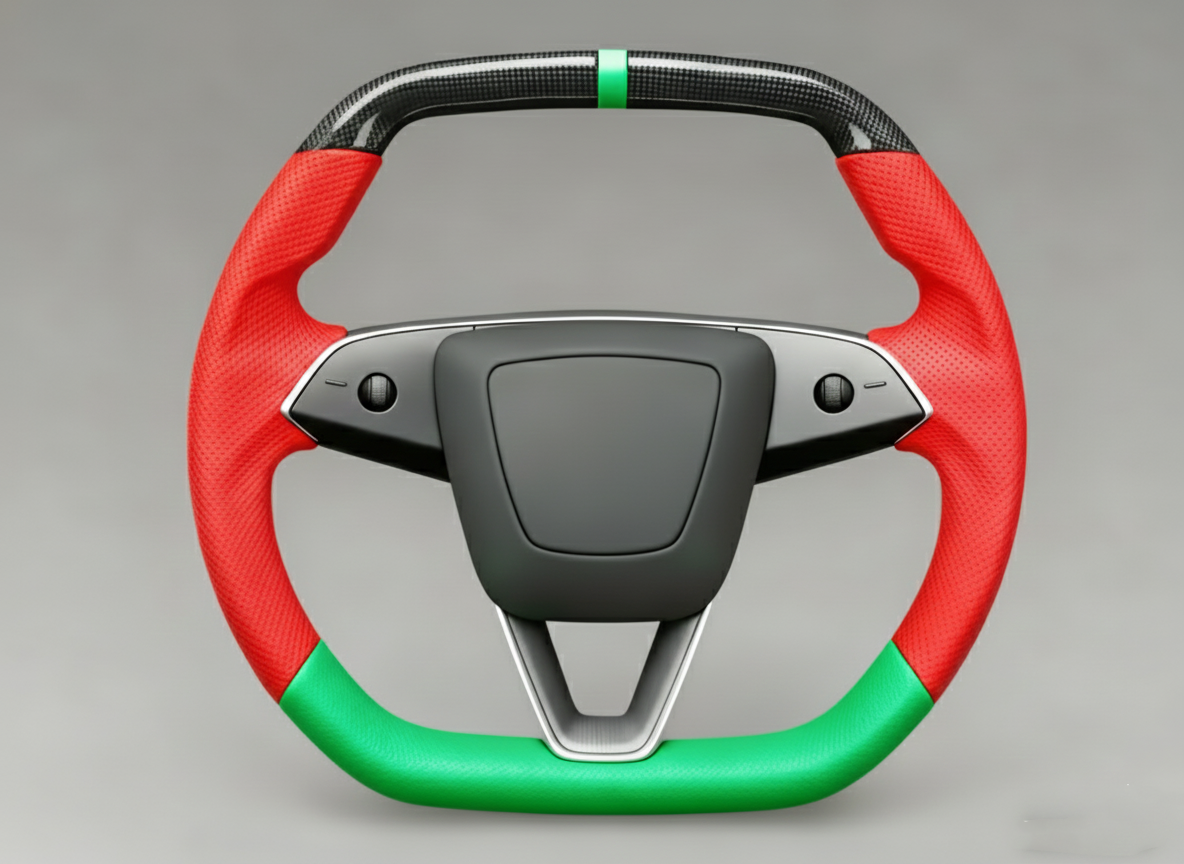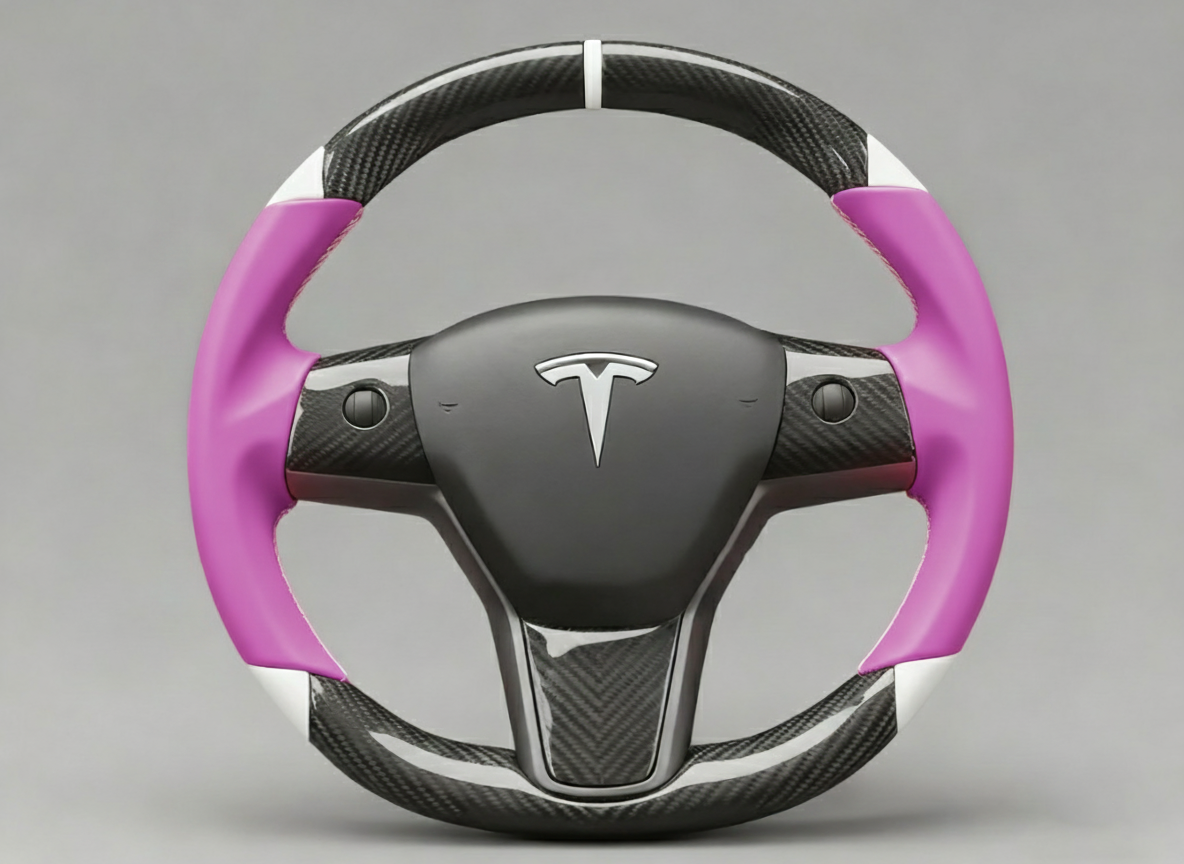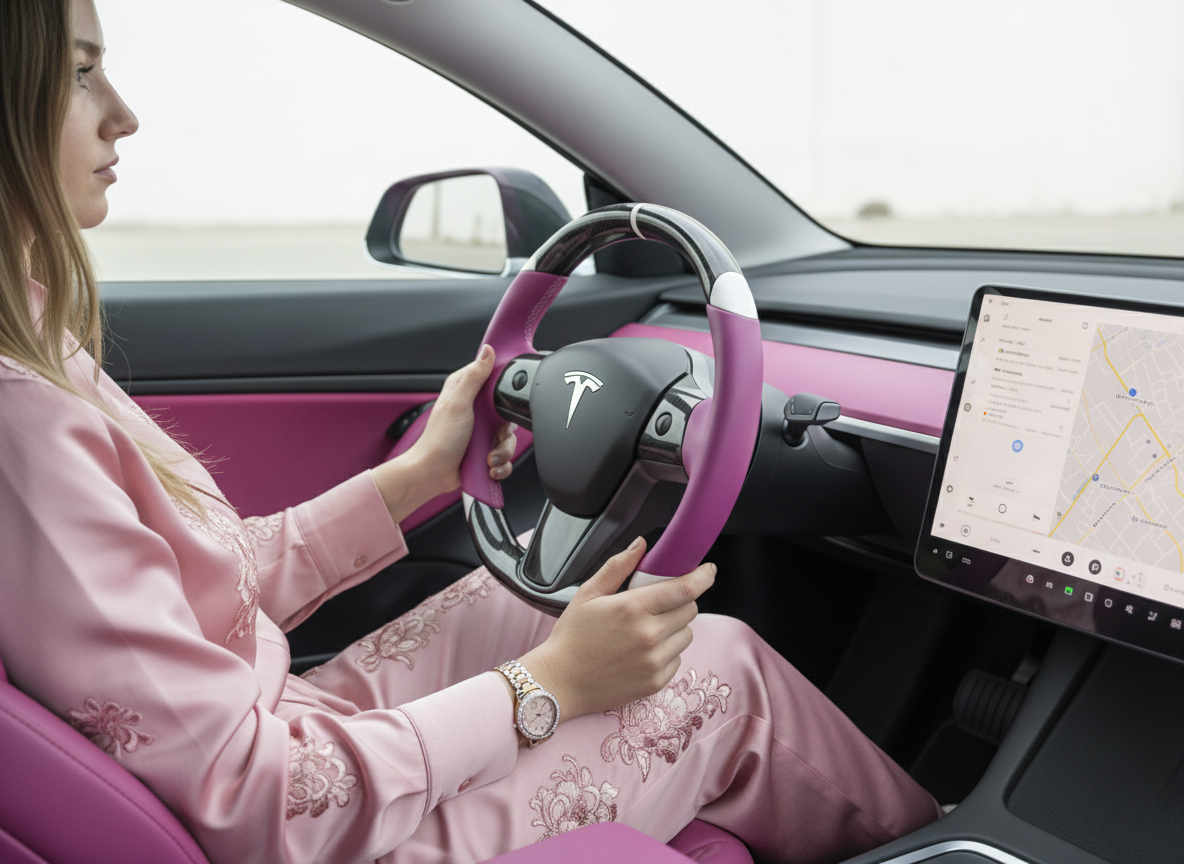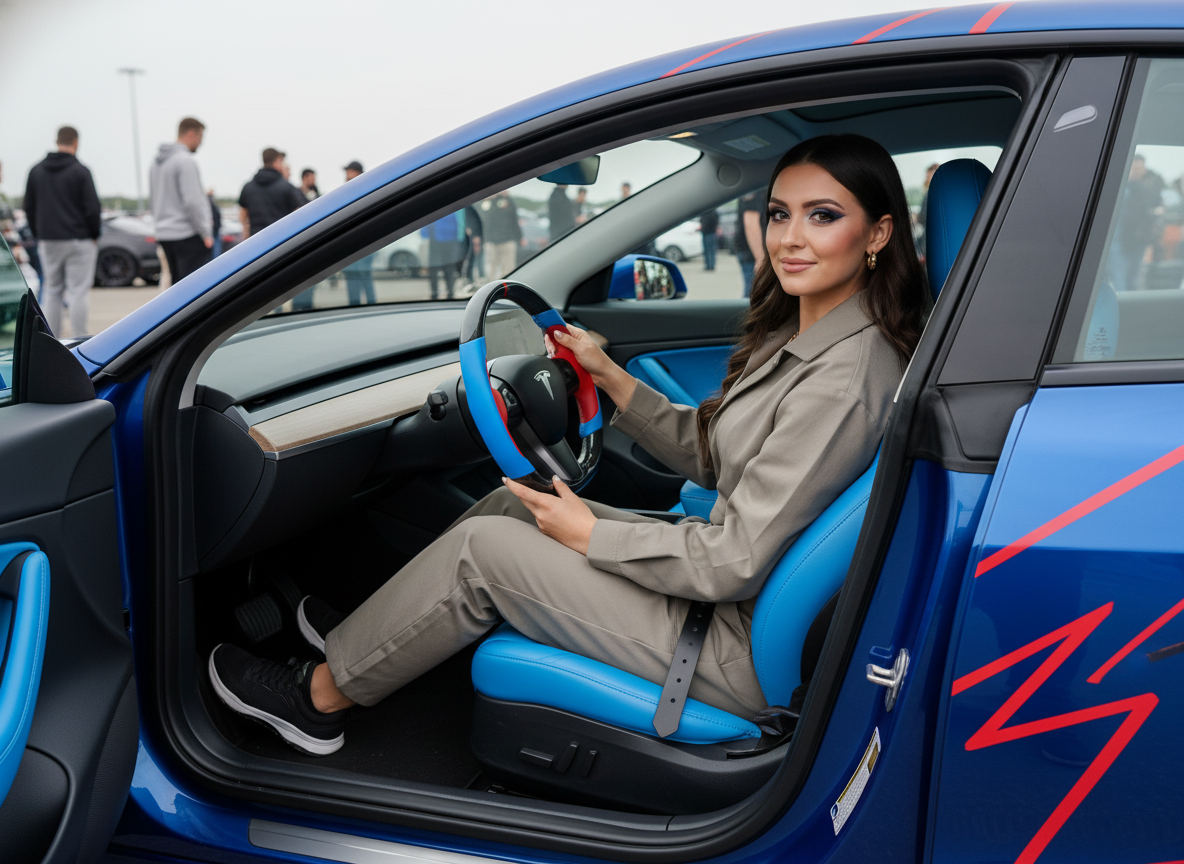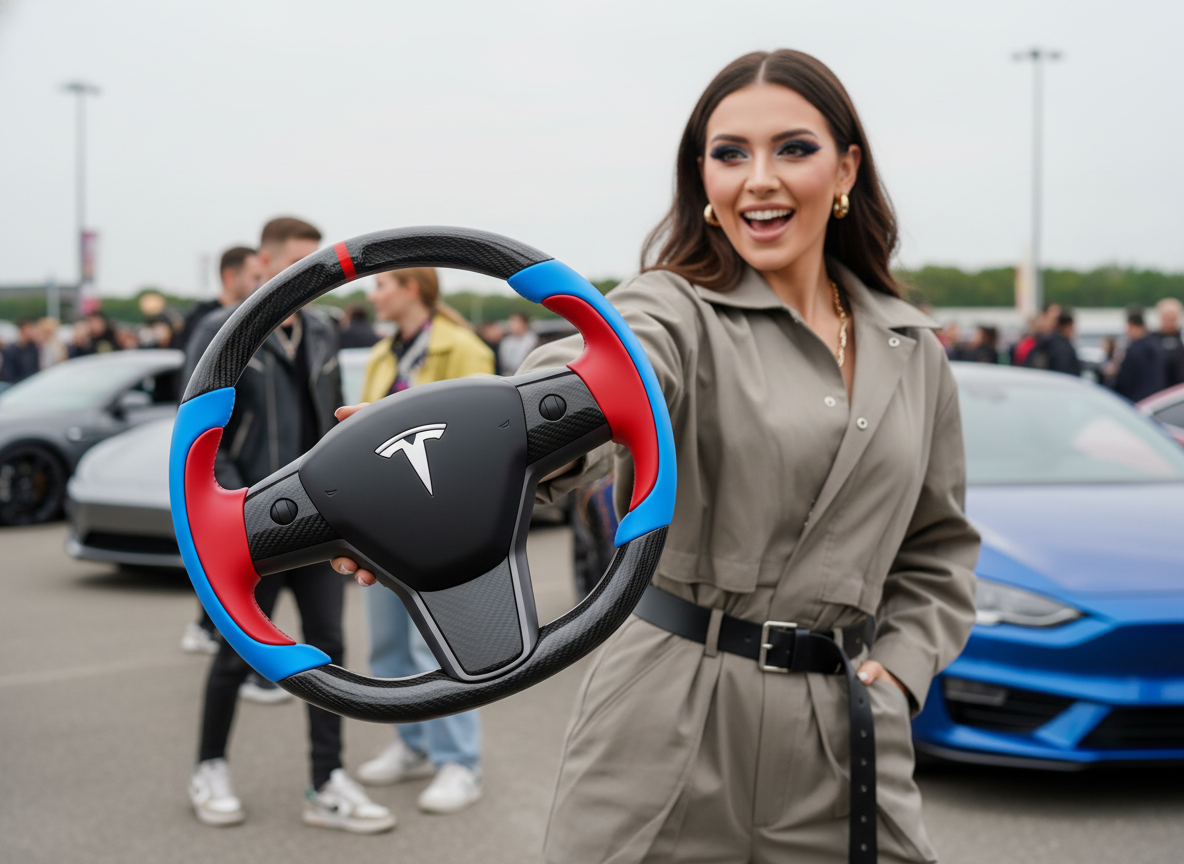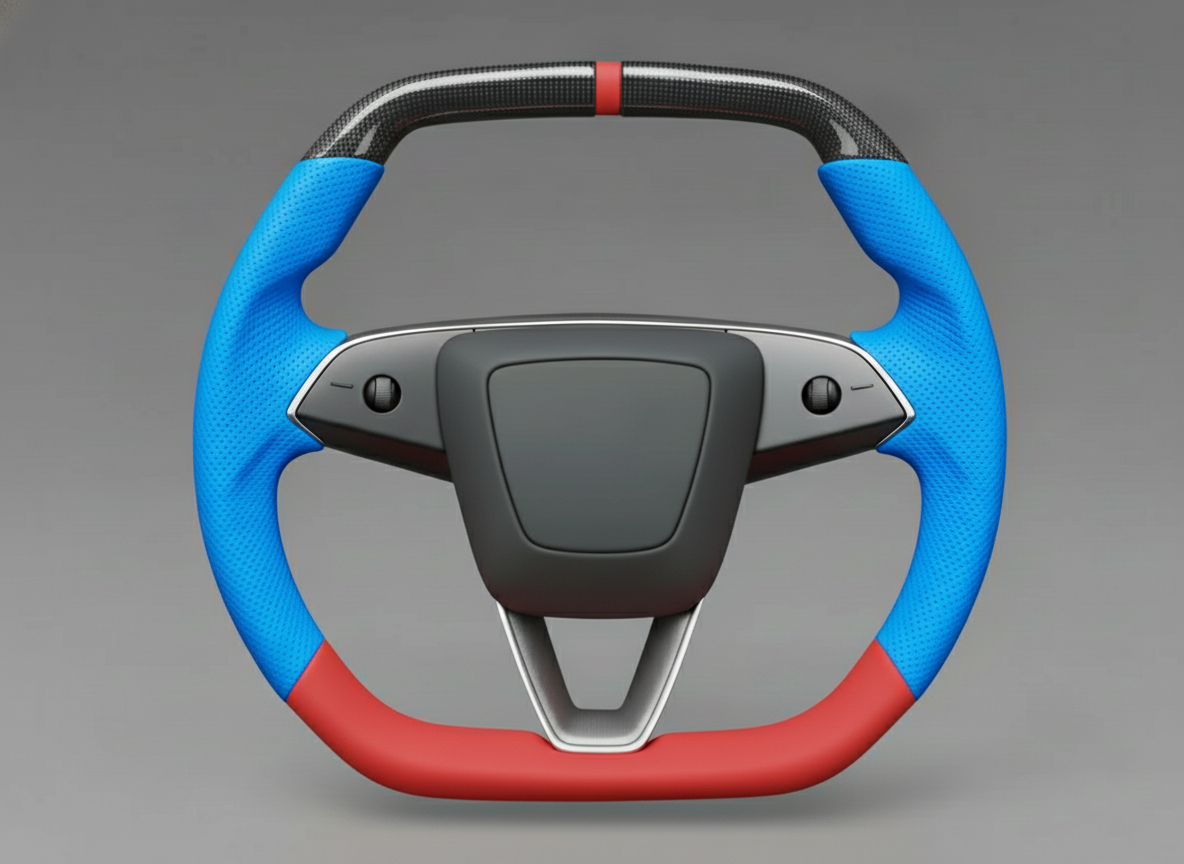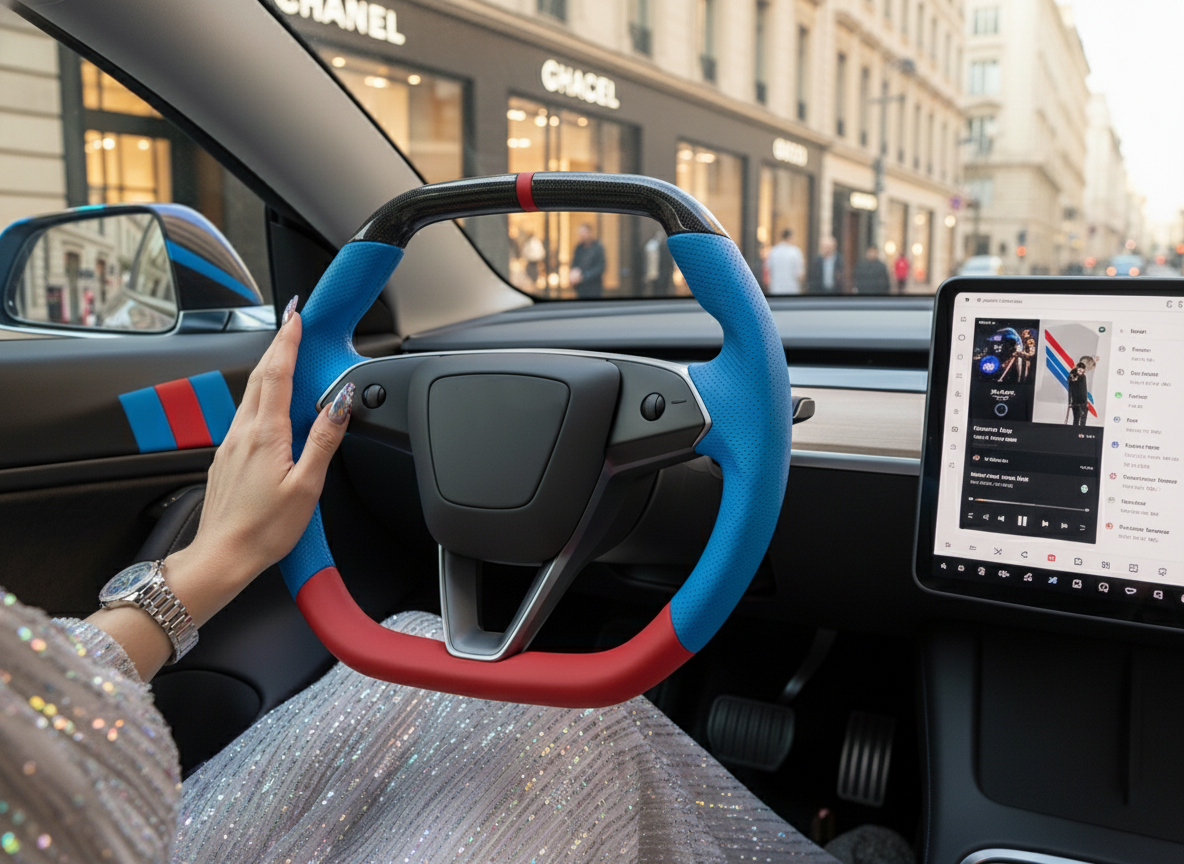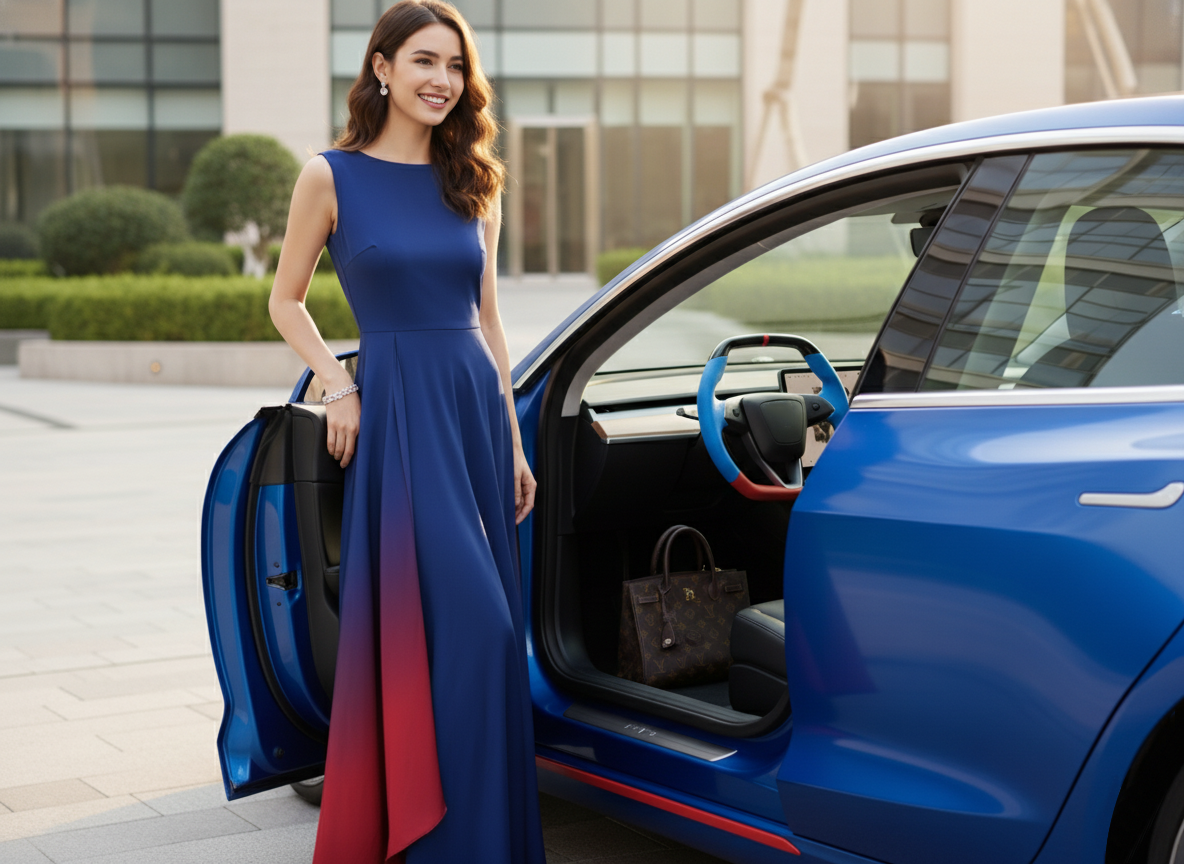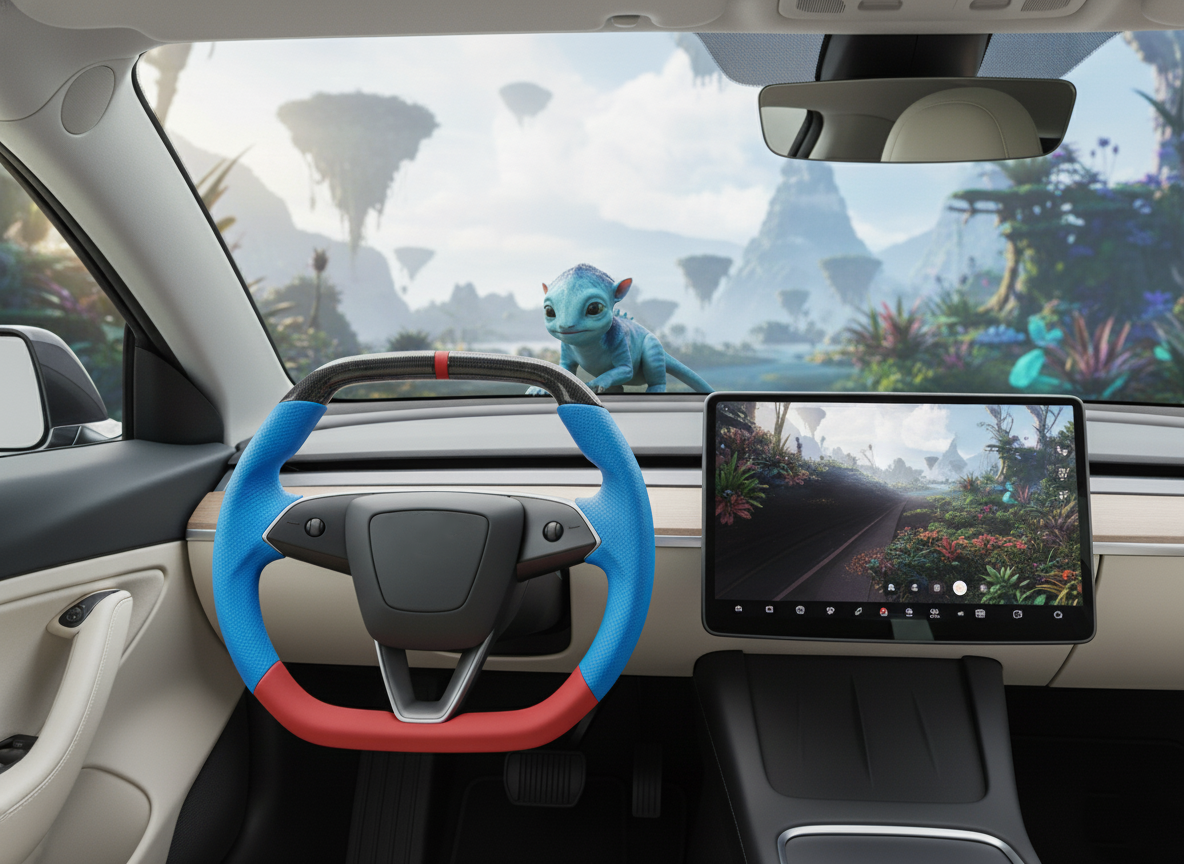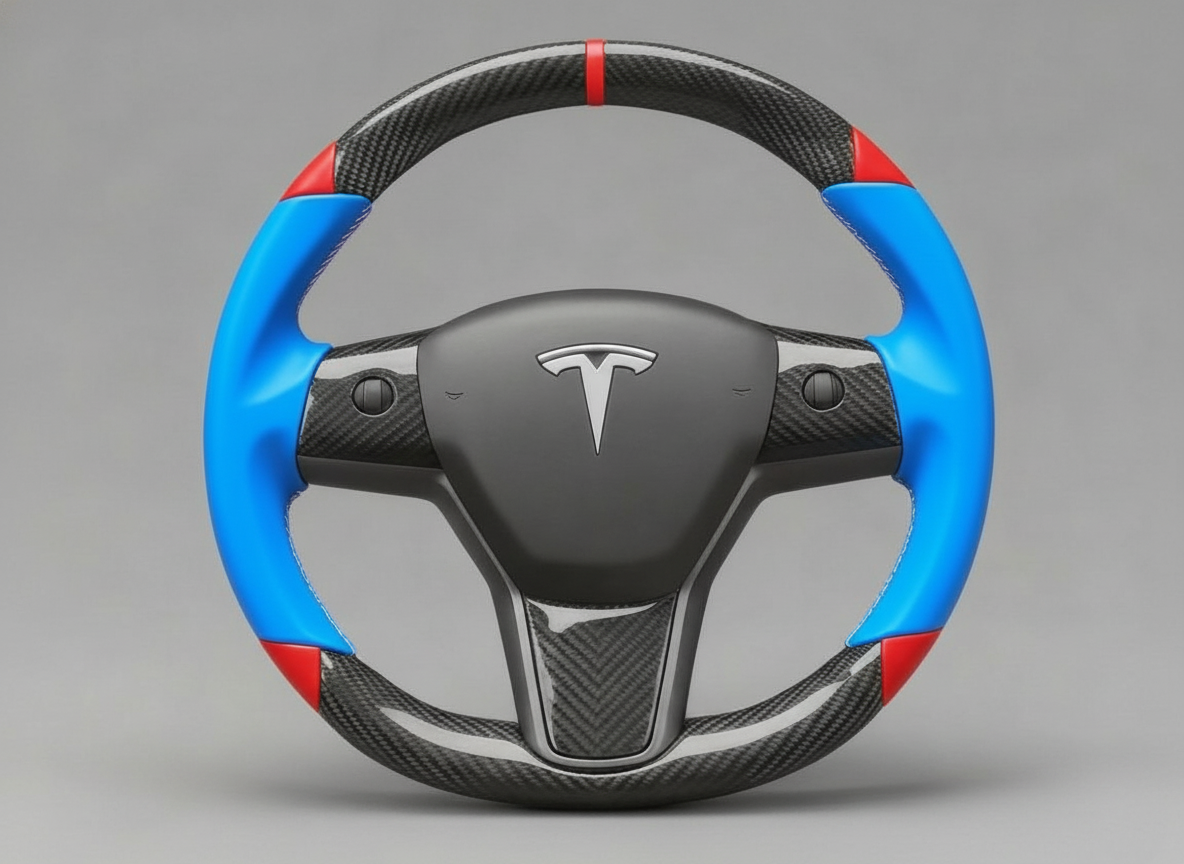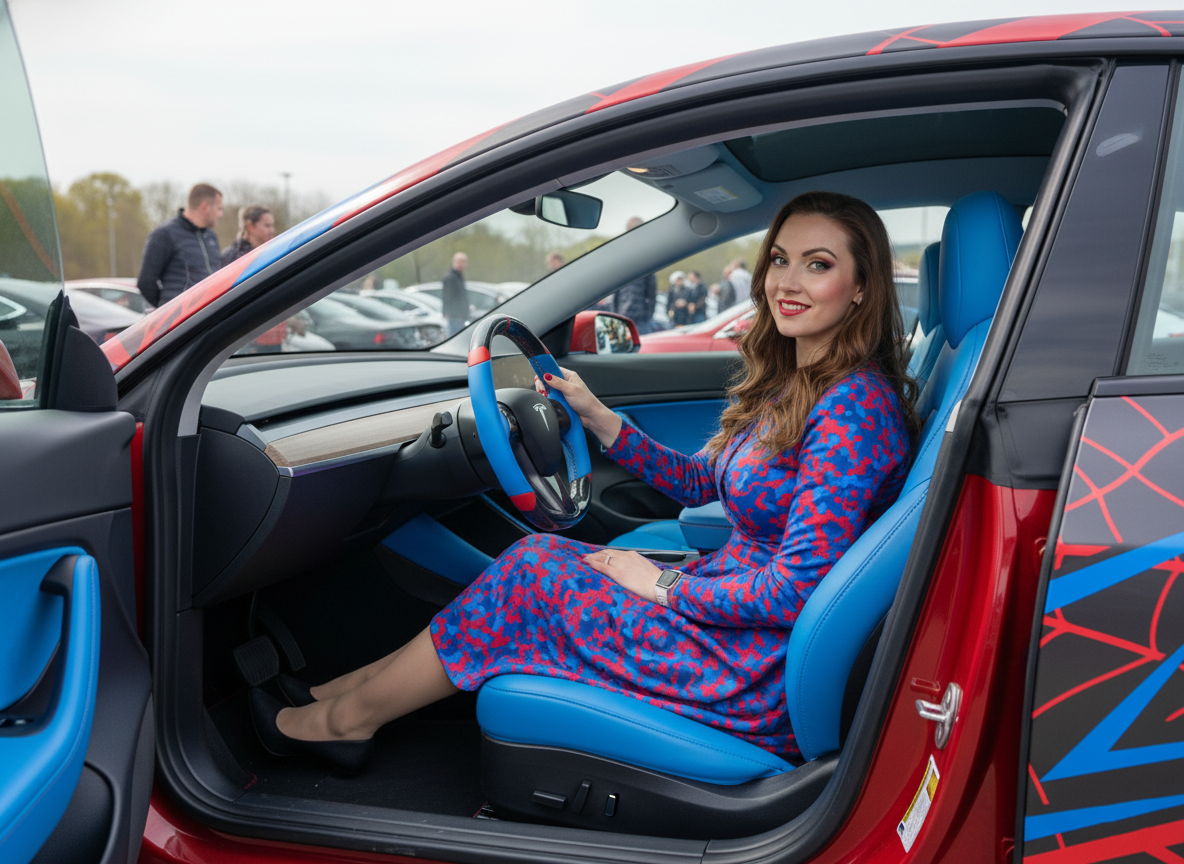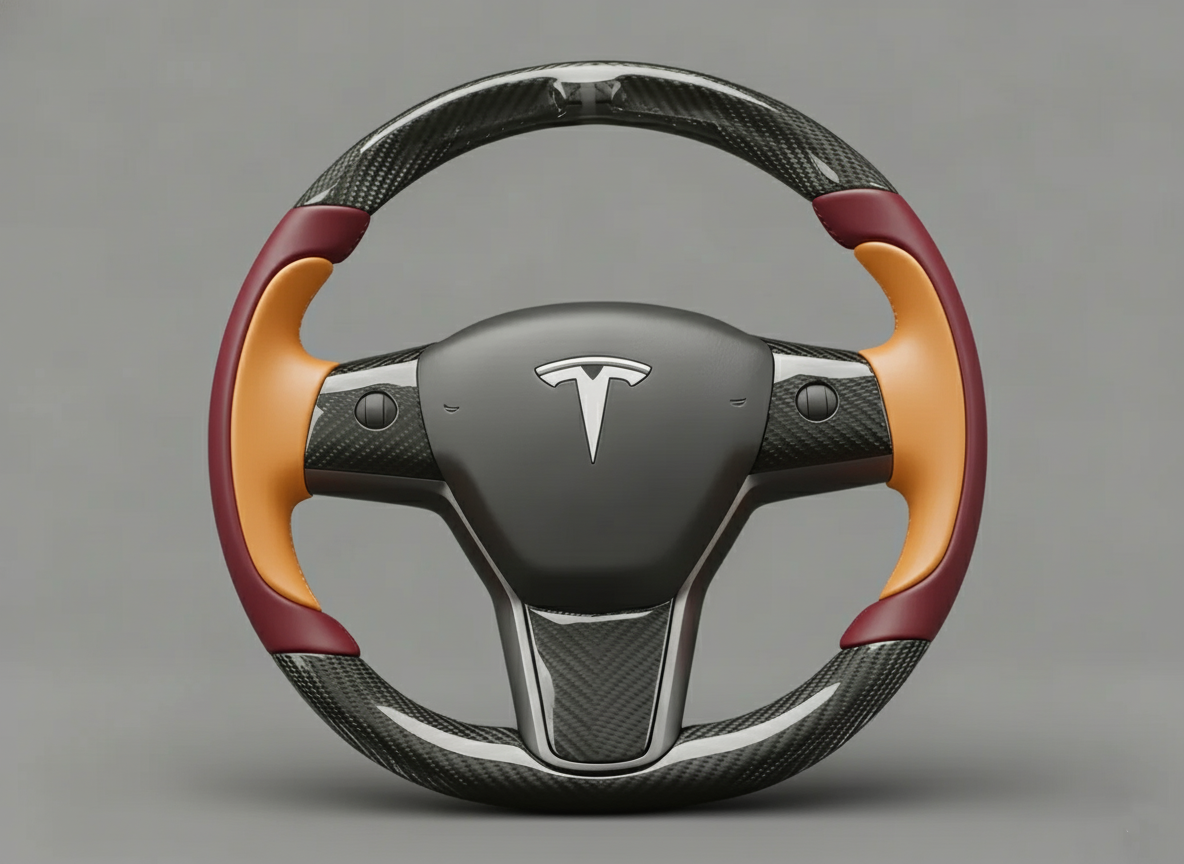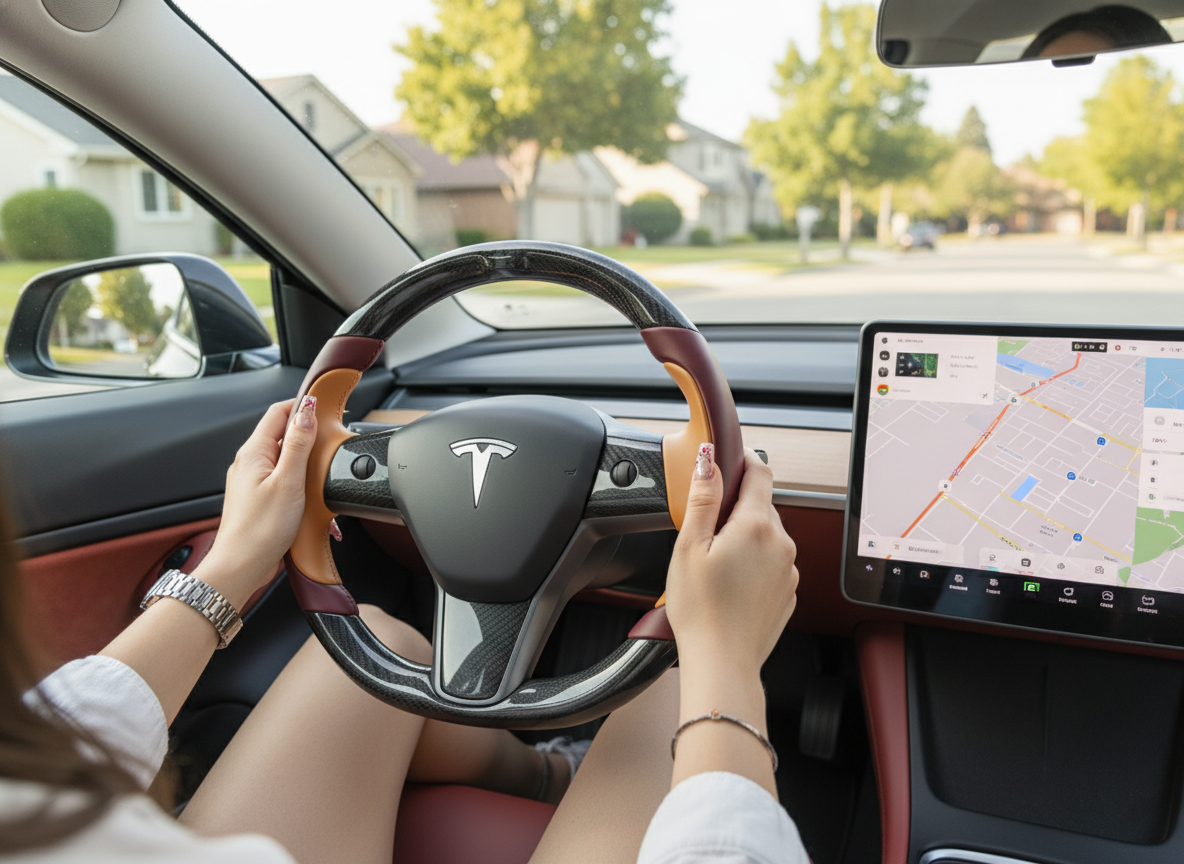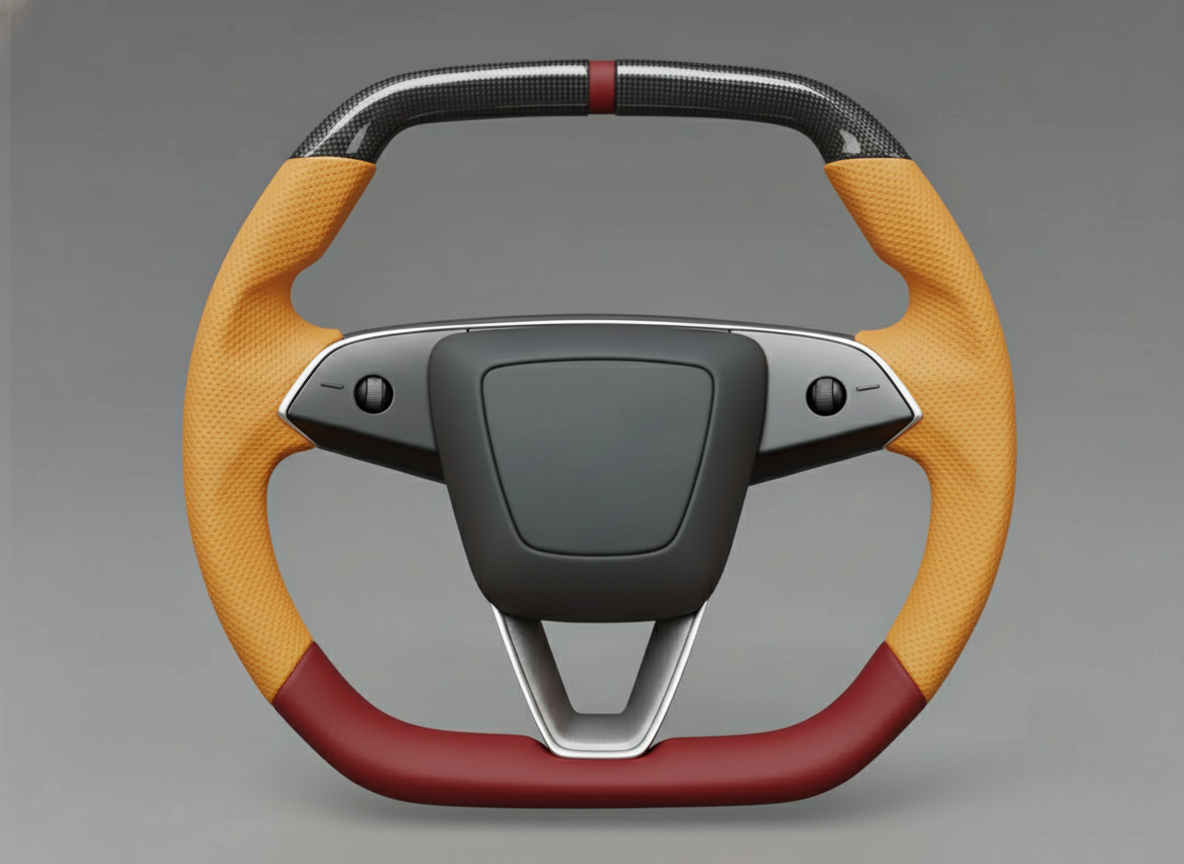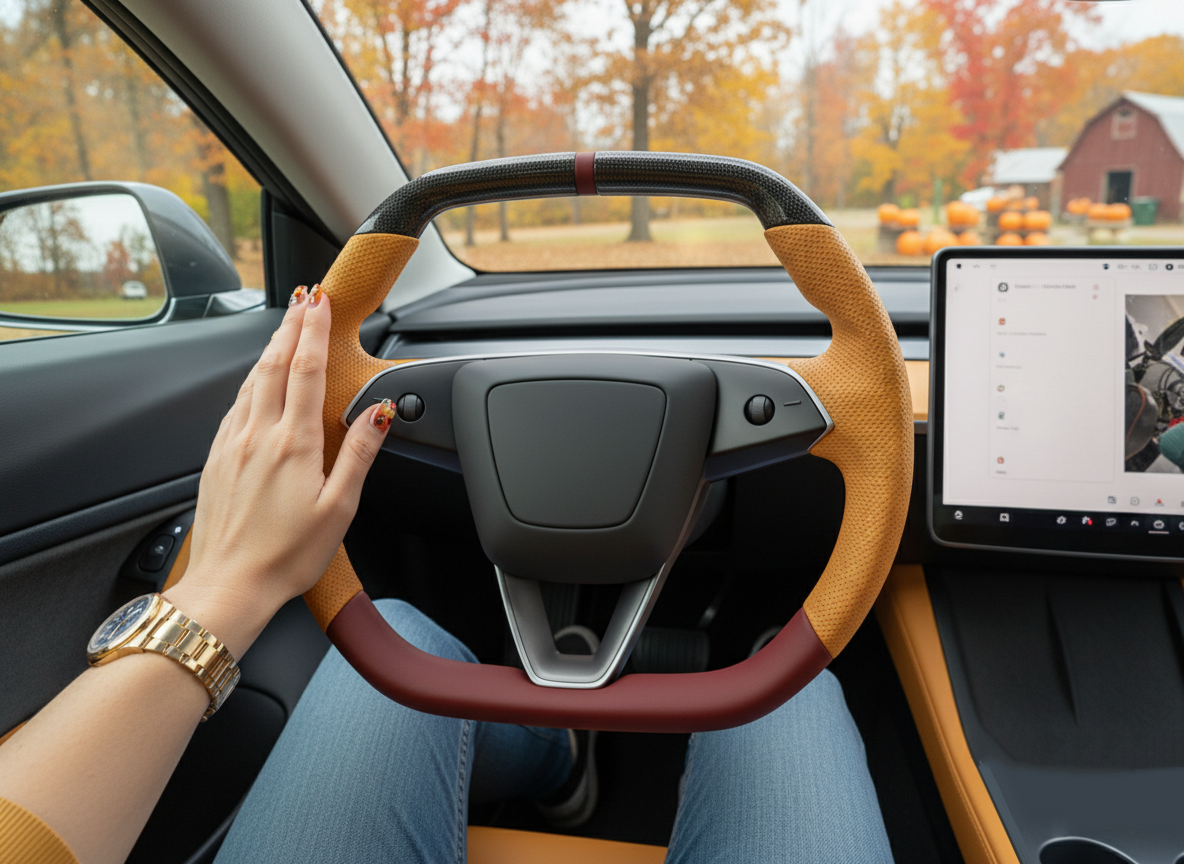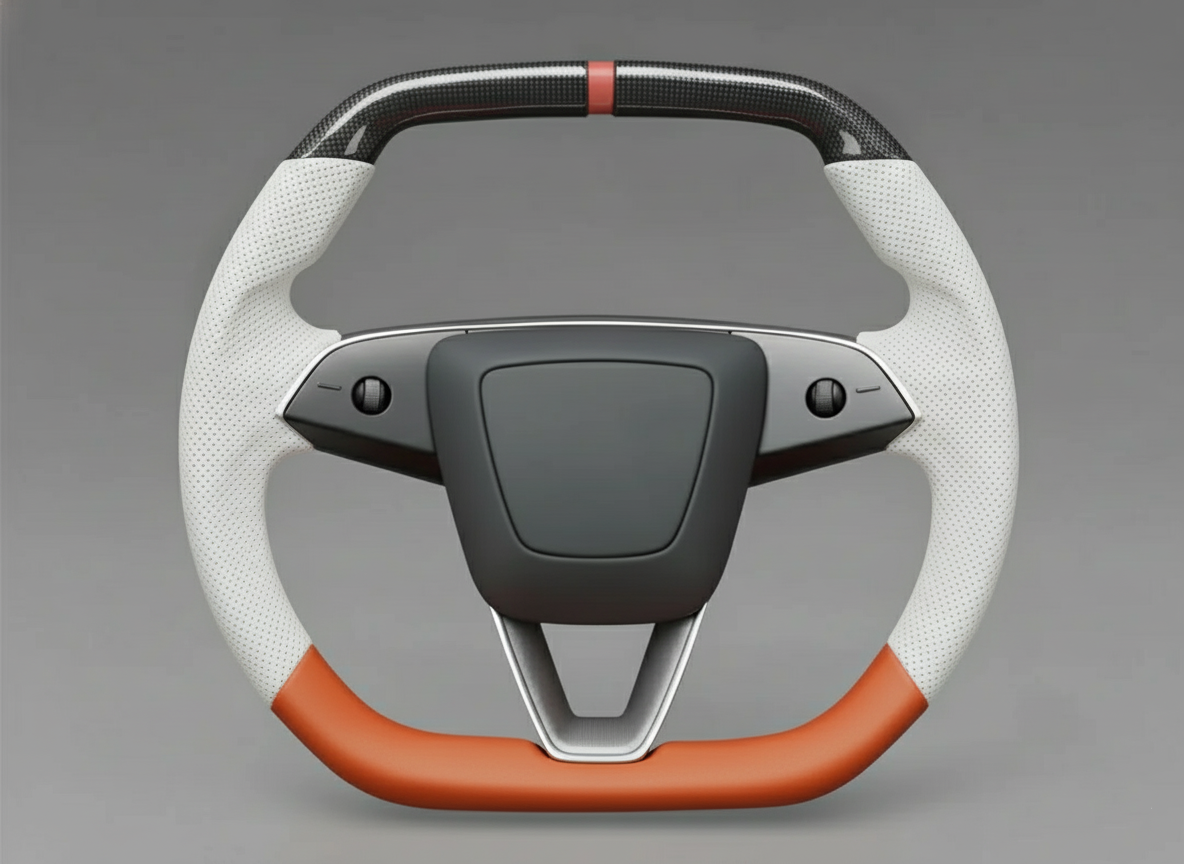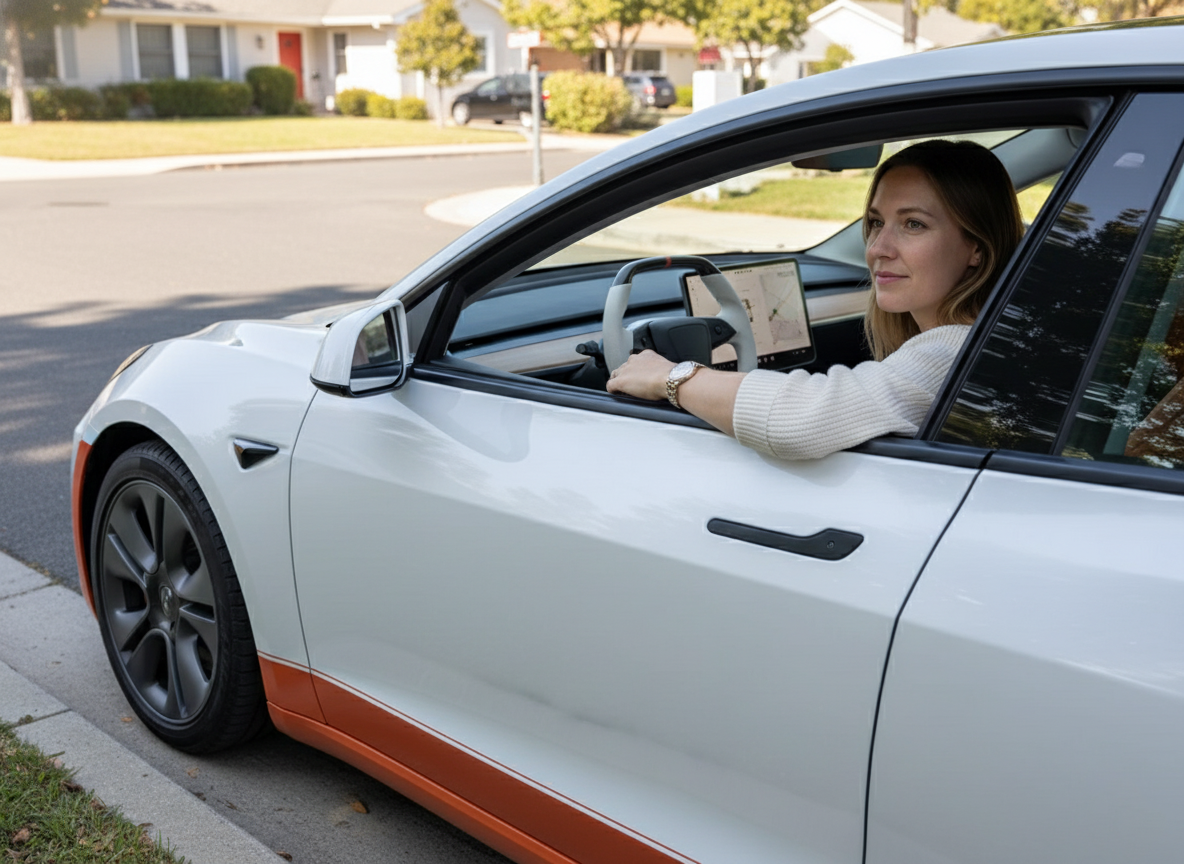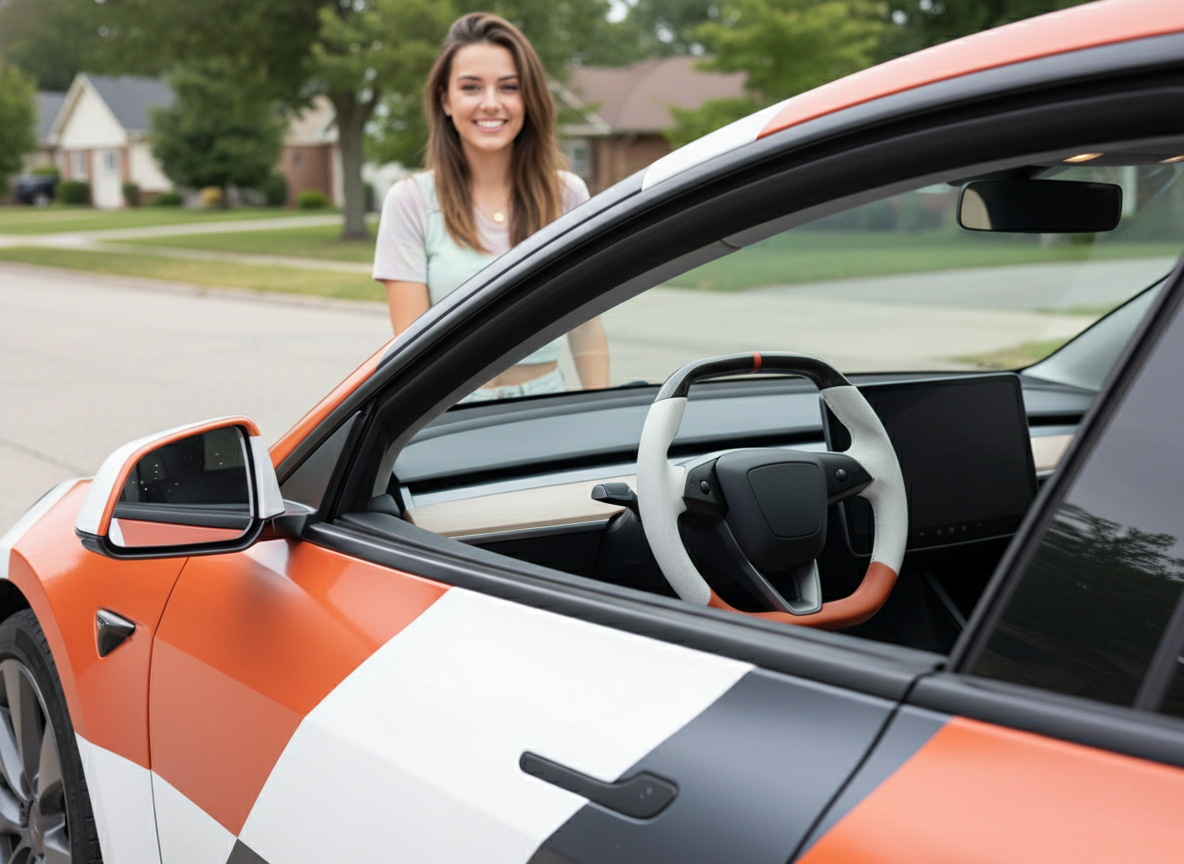
Alcantara has a high friction coefficient suitable for handling, but requires cleaning with specialized foam every 3 months to prevent matting;
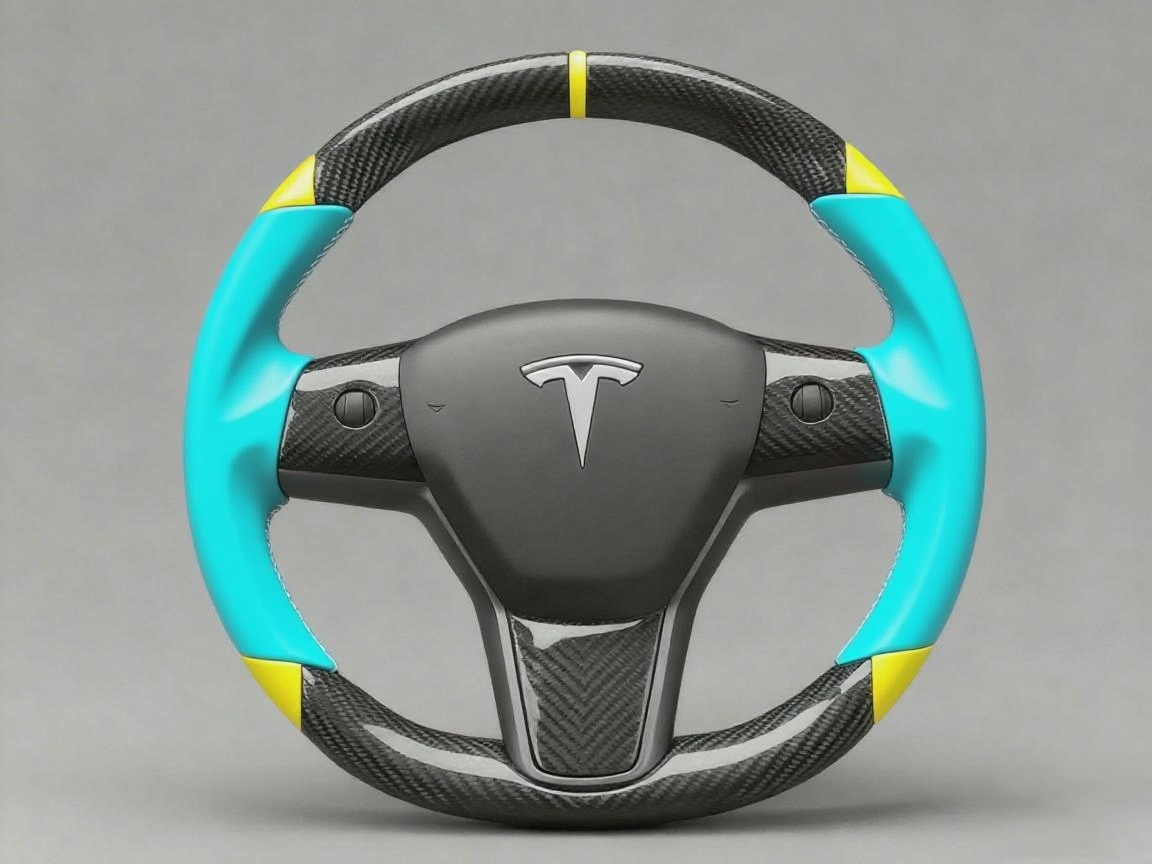
Carbon fiber offers strong visual impact but gets hot on the surface in summer, suggesting a pairing with perforated leather on the sides to balance the feel;
Nappa genuine leather is the top choice for home use, being wear-resistant and requiring only a wipe with a damp cloth, and is less prone to developing an oily shine over long-term use.
Alcantara
Alcantara is a patented synthetic material produced by Alcantara S.p.A. in Italy, made from 68% Polyester (providing the skeleton) and 32% Polyurethane (providing the soft touch) through a spinning process.
Its weight is approximately 50% lighter than genuine leather, with a thickness usually controlled between 0.8 and 1.2 mm.
This non-woven material possesses an extremely high coefficient of friction, with its grip remaining almost undiminished even when palms are sweaty.
In terms of thermal performance, its surface temperature after summer sun exposure is 5 to 10 degrees Celsius lower than ordinary leather, and its lightfastness meets the ISO 105-B02 standard, making it resistant to fading under long-term UV exposure.
It is an ideal complement to the high-performance atmosphere of the Model Y Performance version.
Composite Fiber Composition
Ratio of Two Basic Components
The engineering foundation of Alcantara is built on the precise ratio of two polymers, which directly determines the touch and durability of the Model Y steering wheel.
-
68% Polyester (PET):
This is the skeleton of the material. The chemical name is polyethylene terephthalate. In steering wheel applications, polyester fibers are responsible for providing mechanical strength. It ensures that the material does not undergo physical deformation or loosening under long-term gripping and friction. This fiber has an extremely low moisture absorption rate (usually below 0.4%), providing excellent dimensional stability in the vehicle despite drastic humidity changes, unlike genuine leather which may slightly expand due to moisture. -
32% Polyurethane (PU):
This is the soft matrix filled between the fiber skeletons. The main role of polyurethane is to simulate the elasticity of natural collagen. It wraps around the polyester microfibers, preventing wear between fibers while providing that iconic "fleshy feel" and damping sensation. Without this 32% PU component, the material would feel like a rough synthetic carpet rather than delicate suede.
Details of Islands-in-the-sea Spinning Technology
Ordinary synthetic fibers are usually extruded through simple single-component spinnerets, while Alcantara uses complex bi-component spinning technology, known in the industry as "Islands-in-the-sea".
Manufacturing Process Analysis:
-
Initial Extrusion:
In the early stage of production, polyester fibers (as "islands") are wrapped in a dissolvable polystyrene (as "sea") matrix and extruded together. At this time, the fiber diameter is relatively thick, facilitating mechanical processing. -
Dissolution and Separation:
After completing the preliminary carding and web laying, the material goes through a chemical solvent bath. At this stage, the external polystyrene (sea) is completely dissolved and washed away, leaving only bundles of extremely fine polyester microfibers (islands). -
Fineness Data:
The diameter of the treated single microfiber is only 2 to 4 microns. For comparison, the diameter of collagen fiber bundles in ordinary genuine leather is usually between 40 to 80 microns. This ultra-high density of fibers is the physical reason why Alcantara can provide a surface contact area more than 50% higher than genuine leather, and is also the microscopic explanation for its stronger grip.
Needle Punching Process to Increase Strength
Unlike traditional woven fabrics (with interlaced warp and weft threads) or knitted fabrics (with interlocking loops), Alcantara belongs to non-woven fabrics. Its strength relies not on thread weaving, but on "needle punching reinforcement".
Physical Interlocking Process:
The factory uses specialized barbed needles, numbering in the thousands per meter of width, to puncture the fiber web vertically at a very high frequency.
- The barbs drive the surface microfibers through the fiber layer, intertwining them with the underlying fibers.
- This process creates a dense entangled structure within the fibers in three-dimensional space.
- The result is a material exhibiting isotropic mechanical characteristics. That is, no matter in which direction you apply force to the steering wheel (pushing, pulling, twisting), the tensile strength of the material is basically consistent, unlike some fabrics that are strong in one direction but easy to tear in another.
Polyurethane Impregnation Treatment
Although the fiber web is entangled after needle punching, the structure is still loose.
The subsequent impregnation process is the step that endows it with leather characteristics.
Microscopic Structure Filling:
The material is immersed in a polyurethane solution. The PU solution penetrates into the fiber gaps that are even smaller than red blood cells.
After high-temperature curing, the polyurethane transforms from liquid to an elastic solid microporous structure.
- Cushioning Effect: The cured PU acts like countless tiny springs, supporting the microfibers and preventing them from collapsing under heavy pressure.
- Flame Retardant Properties: At this stage, flame retardant additives are usually added to ensure the material meets FMVSS 302 requirements regarding the burning rate of interior materials.
Grip Friction Coefficient
Surface Microscopic Contact Area
Although genuine leather looks smooth, at the microscopic level, its contact with palm skin relies mainly on Van der Waals forces (intermolecular forces).
- Limitations of Genuine Leather: Smooth leather can only generate maximum adsorption force when perfectly fitted. If the palm skin is dry and lacks trace moisture as a medium, a genuine leather steering wheel often feels slippery.
- Alcantara's Advantage: Its surface is covered with tens of thousands of upright polyester microfibers per square centimeter. When you hold the steering wheel, these micron-level piles undergo elastic deformation, filling into the grooves of fingerprints and the irregular surface of the palm skin.
- Actual Contact Area: This micro-pile structure makes the actual physical contact area between Alcantara and skin 30% to 40% higher than smooth leather.
Performance in Wet Environments
Model Y drivers inevitably sweat from their palms during summer or spirited driving, with sweat consisting mainly of water and oils.
Liquid Film Lubrication Effect:
- Ordinary Leather/Carbon Fiber: These material surfaces are dense and impermeable. Sweat forms a continuous liquid film between the palm and the steering wheel. According to fluid dynamics principles, this liquid film produces a "lubrication effect," drastically reducing the friction coefficient. At this time, the grip feel is like tires "hydroplaning" on a waterlogged road, and the friction coefficient may drop instantly to around 0.3, leading to a risk of slipping.
Porous Absorption Mechanism:
- Alcantara: Its non-woven structure possesses a porosity of up to 30% to 40%. When palms sweat, capillary action between microfibers rapidly sucks moisture into the polyurethane base inside the material.
- Disrupting the Liquid Film: This moisture absorption prevents the formation of a continuous liquid film, ensuring that the skin's stratum corneum can still directly contact the fiber surface. Data shows that in simulated tests with 90% relative humidity, the friction coefficient decay rate of Alcantara is less than 15%, whereas that of standard Nappa leather typically exceeds 50%.
Shear Force and Damping Sensation
When driving a Model Y through corners, the driver applies torque to the steering wheel, primarily testing the material's shear resistance.
Mechanical Interlocking of Fibers:
When the palm applies rotational force, the piles on the Alcantara surface do not slide immediately.
Instead, the microfibers bend against the direction of force, "locking" onto the skin surface like countless tiny hooks.
Hysteresis Effect:
In addition to surface friction, the polyurethane matrix beneath Alcantara provides a viscoelastic damping.
When you squeeze the steering wheel hard, the material sinks; when you try to turn it, the material's rebound lags behind the force applied.
Reduced Grip Strength Requirement:
Due to the high friction coefficient, the driver does not need to grip the steering wheel deathly tight to transmit the same steering torque.
Electromyography (EMG) tests show that when using an Alcantara steering wheel, the muscle tension of the driver's forearm flexors is 20% lower than when using a plastic steering wheel, effectively reducing hand fatigue during long-distance or spirited driving.
Compatibility with Racing Gloves
Although daily driving is mostly done with bare hands, considering that some Model Y owners participate in track day events, the coordination between Alcantara and racing gloves is also part of the friction system.
Velcro Effect:
Most FIA-certified racing gloves (such as Alpinestars or Sparco) use suede or silicone printed patterns on the palm.
- Homogeneous Material Superposition: When the suede surface of the glove contacts the Alcantara of the steering wheel, the fibers of both intertwine.
- Data Peak: With professional gloves, the resultant friction coefficient of an Alcantara steering wheel can break through 1.2.
Temperature Regulation Capability
It Is a Poor Conductor of Heat
In physics, "thermal conductivity" is used to measure how fast a material transfers energy.
-
Air Insulation Layer:
Alcantara is a fluffy non-woven material containing a large amount of still air inside. Air is one of the best known insulators (thermal conductivity is only 0.026 W/m·K). Since the voids between Alcantara fibers trap massive amounts of tiny air pockets, these pockets form a natural thermal barrier. -
Contrast with Dense Materials:
The Model Y factory PU leather or optional carbon fiber has a very dense structure with almost no internal air layer. When you place your hand on it, heat is rapidly transferred between your skin and the steering wheel skeleton.
Temperature Rise Test After Sun Exposure
In hot regions, although the Model Y's panoramic roof blocks UV rays, infrared radiation still heats up the interior.
The steering wheel is usually in the direct sunlight zone.
Surface Temperature Measured Data:
Assuming an ambient temperature of 35°C, with the vehicle exposed to the sun in an open parking lot for 3 hours.
- Black Nappa Leather/PU Leather: Surface temperature easily skyrockets to 65°C to 75°C. This temperature exceeds the pain threshold of human skin (approx. 45°C), and the driver must wait for the air conditioning to cool it down or wear gloves to operate.
- Dark Alcantara: Under identical conditions, its surface temperature usually maintains at 50°C to 55°C. Although still hot, because its porous surface has only partial fibers in contact with the skin, the actual heat transferred to the hand is far lower than the surface temperature reading.
Role of Specific Heat Capacity:
Polyester fiber, the main component of Alcantara, possesses a relatively high specific heat capacity.
For every 1 degree increase, it needs to absorb more heat. In contrast, carbon fiber coatings (epoxy resin) heat up extremely fast.
Under the same solar energy input, the temperature rise rate of Alcantara is significantly slower.
Cold Start Touch in Winter
For Model Y owners who did not purchase the "Cold Weather Package" (steering wheel heating), the winter driving experience differs hugely.
Heat Loss Rate:
When the ambient temperature drops to -10°C, the steering wheel material determines the degree of "freezing hands".
- Instant Temperature Difference: When your warm hand (approx. 33°C) holds the freezing steering wheel, heat flows from the hand to the steering wheel.
- Contact Thermal Sensation: What makes you truly feel "cold" is not the absolute temperature of the steering wheel, but the rate of heat loss. Because Alcantara conducts heat slowly, heat loss from the hand is extremely slow, and the signal received by your brain is "cool," not biting "ice".
- Contrast with Carbon Fiber: Glossy carbon fiber has high thermal diffusivity and will rapidly draw away heat from the palm surface at the moment of contact, creating a strong thermal shock, which can even cause temporary hand stiffness and affect driving reaction.
Sweat Evaporation Cooling Effect
Temperature regulation concerns not only heat but also humidity control. Alcantara's breathability plays an active regulatory role here.
Micro-circulation System:
- Ordinary Leather is Closed: Even perforated leather has fairly limited breathability (approx. 50-100 L/m²/s). Sweat secreted by the palm is trapped between the skin and the leather surface, and accumulated heat cannot dissipate, causing the palm temperature to continue rising, forming a vicious cycle.
- Alcantara is Open: As a fiber web structure, its breathability is usually above 1000 L/m²/s. Air can flow freely between fibers.
- Evaporation Removes Heat: When your palms sweat slightly, Alcantara allows moisture to evaporate rapidly. Physics tells us that liquid evaporation absorbs latent heat.
Impact of Color on Heat Absorption
Many owners overlook the impact of color on temperature; Alcantara's dyeing process has optimized this.
Light Reflectivity:
Although most people choose dark grey (color code 9002), Alcantara's matte pile structure has a diffuse reflection effect on sunlight.
- Specular vs Diffuse: Glossy leather or carbon fiber acts like a mirror, reflecting sunlight to create glare while also more easily absorbing infrared energy of specific wavelengths.
- Energy Dispersion: Alcantara's piles scatter incident light in all directions, reducing the radiation energy focus per unit area. Tests show that under infrared thermal imaging, the hot spot distribution on Alcantara areas under the same lighting conditions is more uniform than on glossy leather, without extreme local high-temperature points.
Genuine Leather
Usually utilizing Nappa processed cowhide, the average thickness is 1.2mm to 1.4mm.
Compared to the Model Y factory 0.8mm Polyurethane (PU) synthetic material, the physical touch is fuller.
In the ISO 105-B02 lightfastness test, high-quality automotive genuine leather typically reaches Grade 6 or above, resisting fading for 7 years of normal use.
Unlike factory synthetic leather which often suffers from surface peeling due to sweat hydrolysis after 40,000 kilometers, genuine leather has natural oil absorption and regulation capabilities.
Its breathable pore design can lower the palm surface temperature by 2-3°C under high-load driving.
Nappa Process and Touch
Not All Soft Leather is Called Nappa
This process originated in Napa Valley, California, USA.
Nappa used for automotive steering wheels must be Full Grain leather.
The outermost layer of the leather has not undergone any mechanical sanding or correction.
- Extremely Low Selection Rate: Only raw hides with no mosquito bite scars or barbed wire scratches on the surface can be used to make Nappa. In industrial screening, typically only 10% to 15% of raw hides meet this standard.
- Retaining Natural Texture: If you look at the Model Y factory synthetic leather with a magnifying glass, you will find its texture is a repeating geometric pattern, which is machine-pressed. The surface texture of Nappa genuine leather is irregular, retaining the natural arrangement of pores.
It Feels Soft Because It Wasn't Sanded
To cover up surface defects, factories usually sand off a layer of ordinary genuine leather (Standard Leather), then press on artificial texture, and finally spray a thick coating.
The processing logic of Nappa is completely opposite:
- Chrome Tanning: Factories use mineral salts like chromium sulfate to treat raw hides. This chemical reaction changes the protein structure inside the leather, making it exceptionally soft while maintaining strength.
- Fatliquoring: This is the step that determines the feel. In the tanning drum, the factory injects specific natural or synthetic oils into the leather fibers. The oil content of high-quality Nappa is usually controlled between 12% and 14%.
- Softness Index: Under the BLC Softness Tester (ST300) commonly used in the leather industry, the depression depth of ordinary automotive leather is about 3.0mm, while Nappa genuine leather can usually reach 4.5mm to 5.5mm.
The Coating is So Thin You Can See Pores
Many car owners worry that genuine leather is hard to maintain. In fact, automotive Nappa is "Semi-Aniline" or has a micro-pigment coating.
To cope with high temperatures and UV rays inside the car, a coating is necessary, but the thickness of this coating is strictly controlled.
- Micron-level Thickness: The polyurethane coating thickness on the surface of ordinary genuine leather may exceed 50 microns, feeling like plastic to the touch. Nappa's surface coating is usually controlled at 20 to 30 microns.
- Thermal Conductivity: Because the coating is extremely thin, when you hold the steering wheel, your skin directly contacts the leather fiber layer. This brings extremely low thermal resistance. In winter, your body temperature can be conducted to the leather faster, making the steering wheel no longer feel icy within 30 seconds.
- Pore Breathing: This thin coating does not completely block the hair follicles of the cowhide. Although hard to see directly with the naked eye, there are about 400 to 500 tiny natural breathable channels distributed per square centimeter.
It Will Be Thicker Than Original When Installed
For Model Y owners, modifying to a Nappa steering wheel is not just changing the skin, but also changing the grip size.
The factory synthetic leather is very thin, usually only 0.6mm to 0.8mm thick, directly pasted on the injection-molded skeleton of the steering wheel.
Nappa genuine leather, in order to maintain that premium "meaty" feel, has a thickness between 1.2mm and 1.4mm itself.
In addition, when sewing Nappa leather covers, craftsmen usually pad a layer of high-density sponge (Neoprene) about 2mm thick under the leather to increase rebound feedback.
- Size Change: Adding the leather and sponge, the modified steering wheel grip diameter will typically increase by 4mm to 6mm.
- Grip Mechanics: The thin factory rim requires tighter finger curling during rapid steering. The thickened Nappa steering wheel can fill the web of the hand, increasing the contact area. According to ergonomic tests, under the same steering torque, the thickened grip can reduce the static load on hand muscles by about 10%.
How Seams Are Handled with This Leather
Because Nappa leather is relatively thick, wrapping it on complex curved surfaces like a steering wheel requires high craftsmanship.
If you observe carefully the seams at the 3, 9, and 6 o'clock positions of the steering wheel, you will find the handling of Nappa is unique:
- Skiving: Where two pieces of leather are spliced, if sewn directly, the thickness would exceed 2.5mm, forming an unsightly bulge. Therefore, in the area about 10mm wide at the edge of the suture, the machine shaves the leather down to about 0.5mm.
- Embedded Stitching: Good Nappa steering wheel modifications use sunken stitching. The thread is pulled tight into the leather layer, rather than floating on the surface. When fingers slide over the seam, you feel a smooth transition, not rough thread ends. The sewing thread used is usually No. 20 or No. 30 high-strength bonded nylon thread, with a tensile strength exceeding 50 Newtons, preventing breakage during tens of thousands of rotation frictions.
Durability and Hydrolysis Resistance
Why the Original Steering Wheel Rots by Itself
Tesla's Vegan Leather is essentially a Polyurethane (PU) resin coated on a fabric backing.
This material looks like leather, but its molecular structure contains a large number of ester bonds.
- Chemical Reaction Mechanism: When the humidity in the cabin is high, or your palms sweat, water molecules (H₂O) attack the ester bonds in the polyurethane molecular chain.
- Acid Catalyst: The pH value of human skin surface is usually between 4.5 and 5.5, which is weakly acidic. Lactic acid and urea in sweat act as catalysts, greatly accelerating this decomposition process.
- Irreversible Failure: Once the molecular chain breaks, the PU coating loses adhesion and separates from the underlying base fabric. This forms the "bubbling" you see.
Especially after using alcohol-containing hand sanitizer, ethanol will rapidly dissolve the protective topcoat of the PU, exposing the underlying polyurethane directly to sweat, accelerating the aging speed by 3 to 5 times.
Genuine Leather Does Not Fear Hydrolysis at All
Genuine Leather is durable because it simply does not have ester bonds for water molecules to attack.
- Collagen Structure: The main component of animal skin is collagen fibers. During the tanning process, through treatment with Chrome III salts, extremely stable cross-linking bonds are formed between these fibers. This structure is chemically very stable.
- Moisture Absorption and Desorption: Genuine leather is a porous material. When your palms sweat, genuine leather can absorb moisture through pores and naturally evaporate it into the air when parked and resting.
- Oil Barrier: High-quality Nappa genuine leather is injected with 12% to 14% fatliquor during manufacture.
Data Comparison of Violent Friction Tests
To quantify durability, laboratories usually use the Martindale abrasion tester.
This machine uses standard wool felt to rub under pressure on the material surface, with a trajectory of a Lissajous figure, simulating force from all directions.
- Factory Synthetic Leather: After 25,600 cycles of friction, "surface gloss change" or slight damage usually appears. If pre-treated in a high temperature and high humidity environment (simulating aging), this number drops below 12,800 cycles.
- Automotive Grade Nappa Leather: The standard requirements are extremely high. It can usually withstand over 50,000 cycles of dry friction without surface damage.
- Taber Abrasion Test: Another more violent test uses CS-10 grinding wheels with a 1000g load rotating friction. After 1,000 revolutions, the weight loss of synthetic leather is usually around 0.05g, and the surface texture is completely worn flat; while the weight loss of genuine leather is usually less than 0.02g, merely becoming slightly shinier on the surface.
Can It Withstand Repeated Bending
The steering wheel is not static; when you turn the wheel, the leather on the grip surface undergoes subtle stretching and compression with hand force.
The Bally Flexometer is specifically used to measure this. The machine folds the leather and then rapidly stretches and compresses it like an accordion.
- Low-Temperature Embrittlement: In a low-temperature environment of -10°C (simulating a cold car in winter), inferior synthetic leather tends to become hard and brittle. After 30,000 bending cycles, the coating of synthetic leather is prone to visible micro-cracks.
- Toughness of Genuine Leather: Genuine leather is a three-dimensional network structure woven from countless tiny fibers. This physical structure gives it extremely high fatigue resistance. Even at low temperatures, after 100,000 bending cycles, high-quality Nappa genuine leather can still remain intact without breaking.
Extreme Aging Simulating Tropical Rainforest
The most rigorous test for automotive-grade materials is called the "Jungle Test".
Engineers throw the material into a constant temperature and humidity chamber, set at 70°C and 95% relative humidity.
Staying in this box for 1 week is roughly equivalent to using it for 1 year in a natural environment.
- Deadly Point for Synthetic Leather: Most ordinary PU synthetic leathers will become sticky on the surface when the jungle test proceeds to 3 to 4 weeks, which is a precursor to complete polymer degradation.
- Performance of Genuine Leather: Even if genuine leather stays in the same box for 7 to 10 weeks (simulating 7-10 years), as long as it is taken out and recoated with leather care lotion, its physical strength hardly decreases.
Temperature Control and Breathability
Why Genuine Leather Doesn't Feel So Icy
The touch temperature of the hand contacting the steering wheel the moment you get in the car on a winter morning is very important.
This does not depend entirely on the actual temperature of the steering wheel surface, but more on the speed of heat conduction of the material.
- Thermal Conductivity Difference: The thermal conductivity of Polyurethane (PU) synthetic leather is about 0.25 W/(m·K), while that of natural leather is usually between 0.14 and 0.16 W/(m·K).
- Instant Heat Flow: When your hand (assuming surface temperature 32°C) contacts the freezing steering wheel (assuming 0°C), PU material will rapidly suck the heat away from your hand, which is that biting "icy feel". Genuine leather, due to slow heat conduction, takes away less heat at the moment of contact.
- Heating Speed: Genuine leather is full of tiny air pockets inside, and air is the best insulation layer. After turning on the steering wheel heating function, although genuine leather transfers heat slightly slower, once the heating wire works, genuine leather can lock in heat more uniformly, instead of being hot where the heating wire is and icy where it is not, like synthetic leather.
Perforation Is Not for Looks, It's for Physical Heat Dissipation
You often see dense small holes at the 3 and 9 o'clock positions on high-performance car genuine leather steering wheels, which is called Perforated Leather.
- Hole Diameter and Density: Standard automotive perforation processes usually use punches with a diameter of 1.0mm to 1.2mm, with a hole pitch (Pitch) typically arranged in a diamond shape of 5mm x 5mm or 3.5mm x 3.5mm.
- Surface Area Surge: Don't underestimate these holes. In a standard hand grip area (about 10cm x 5cm), there are about 200 small holes. These holes not only lead directly to the subcutaneous layer but also additionally increase the air contact surface area by about 15%.
- Convection Effect: When the car air conditioner is on, even if the steering wheel itself does not have a ventilation function, cold air can form weak turbulence in these micro-holes. Compared to the completely sealed factory synthetic leather, this micro-airflow can take away moisture evaporated from the palm surface.
Hygroscopicity
We use Moisture Absorption Rate to measure a material's ability to handle moisture.
- Completely Sealed Plastic: Model Y factory Vegan Leather surface is a dense polyurethane film with a moisture absorption rate close to 0%.
- Water Storage Capacity of Genuine Leather: Tested in an environment with 95% relative humidity, natural leather can absorb 30% of its own weight in moisture within 24 hours while still remaining dry on the surface.
- Water Vapor Permeability (WVP): The water vapor permeability of high-quality Nappa genuine leather can usually reach 400 to 600 mg/(10cm²·24h).
Performance After Summer Sun Exposure
After exposure in an open parking lot for a few hours, the temperature inside the Model Y easily breaks through 60°C.
At this time, whether the steering wheel is hot to the touch directly determines whether you can drive away immediately.
- Specific Heat Capacity Data: The specific heat capacity of dry genuine leather is about 1.35 J/(g·K), while synthetic polymer materials are usually between 1.8 and 2.0 J/(g·K).
- Surface Temperature Measurement: Tested under direct sunlight with an outside temperature of 35°C, the surface temperature of a black synthetic leather steering wheel can reach 75°C or even higher. Although black genuine leather will also absorb heat to reach around 70°C, its Cooling Curve is steeper.
- Cooling Speed: With the air conditioner blowing directly, a genuine leather steering wheel can usually drop to a touchable temperature (about 45°C) within 2 minutes because the microporous structure on its surface disrupts the thermal boundary layer. Solid synthetic leather often takes 4 to 5 minutes to dissipate the heat accumulated in the deep layers.
Relationship Between Grip Dryness/Roughness and Humidity
An interesting tribological phenomenon is: whether the feel is good or not is closely related to humidity.
- Stick-Slip Effect: When synthetic leather is slightly sweaty (slightly moist), the friction coefficient will suddenly skyrocket, becoming very astringent, a feeling called "Tacky".
- Stable Friction Coefficient: The friction coefficient of genuine leather is insensitive to humidity. In a dry state, the friction coefficient of genuine leather against skin is about 0.4; after slight sweating, due to the balance of oil and moisture, the friction coefficient will rise gently to around 0.6, but will not produce that annoying sticky feeling.
Carbon Fiber
Toray T700 grade dry carbon fiber is currently the mainstream standard in the Model Y modification market. Its tensile strength is 10 times that of steel, while its weight is only 25% of steel.
The standard 3K 2x2 Twill Weave surface is covered with an epoxy resin coating, effectively blocking 99% of UV rays and preventing resin yellowing caused by long-term sun exposure.
Compared to factory synthetic leather, the carbon fiber surface has extremely high hardness, completely eliminating the risk of wear and peeling. However, its thermal conductivity is extremely strong.
Under direct summer sunlight, the surface temperature can rapidly rise to over 80°C (175°F), so it must be used with leather or Alcantara grip areas on both sides to ensure operational safety.
Weaving Process Specifications
What Does 3K Tow Actually Mean
In modification lists, you most often see the parameter "3K". Here "K" stands for Thousand.
- 1K: Each bundle contains 1,000 individual carbon fiber filaments. This spec is very light and the weave is extremely tight, but the weaving cost is extremely high.
- 3K (Mainstream Standard): Each bundle contains 3,000 individual filaments. This is the universal standard for Model Y steering wheel modifications. The 3K tow width is moderate, ensuring sufficient structural strength while perfectly fitting parts with complex curved surfaces and small chamfers like steering wheels.
- 12K: Each bundle contains 12,000 individual filaments. This pattern looks very rough with large squares, mostly used for large building structures or industrial pipes.
Difference Between Twill and Plain Weave
When choosing, you will find that the texture direction is mainly divided into two types.
This is not just about looks, but also relates to the Drapability of the carbon cloth, that is, the ability to fit complex curved surfaces.
1. 2x2 Twill Weave:
This is the choice for 95% of Model Y modification parts currently.
- Weaving Logic: Each bundle of horizontal carbon fibers (weft) crosses over two bundles of vertical carbon fibers (warp), presenting a "two over, two under" structure.
- Visual Effect: The surface forms iconic diagonal lines, with a strong three-dimensional effect and obvious light and dark changes under illumination.
- Physical Advantage: Due to fewer interlacing points, the fiber bundles are looser and deform more easily in the mold without breaking.
2. Plain Weave:
- Weaving Logic: A "one over, one under" checkerboard structure.
- Physical Disadvantage: The structure is very stable but lacks ductility. If plain weave cloth is used to wrap a steering wheel, it is difficult to handle areas with high curvature, easily causing air bubbles or pattern distortion, so it is rarely seen on the market.
Dry Carbon Process and Autoclave
Pre-preg / Dry Carbon:
High-end steering wheels all use this process. In a dust-free workshop, the factory pre-impregnates carbon fiber cloth with resin in a precise ratio, then stores it at low temperatures.
- Molding Equipment: Must use an Autoclave.
- Process Data: The part is placed in a vacuum bag to draw a vacuum and sent into the autoclave. The tank usually applies a pressure of 6 Bar (approx. 90 PSI) while heating to 120°C to 180°C.
- Result: High pressure squeezes out all excess resin and air bubbles. The resin content of the finished product is usually controlled at around 35%. Steering wheel trims made with this process are extremely thin, weighing more than 30% less than wet carbon, and have extremely high strength.
Hand Lay-up / Wet Carbon:
This is a low-cost solution. Workers lay dry carbon cloth on the mold and apply resin manually with a brush.
- Defects: The amount of resin cannot be precisely controlled, and the resin content often exceeds 50%, causing the finished product to be heavy. Due to the lack of autoclave compression, tiny air bubbles invisible to the naked eye tend to remain inside. Under high temperature exposure in summer, the expansion of these bubbles may cause the surface coating to crack or turn white.
Forged Carbon
This material was initially promoted by Lamborghini on the Sesto Elemento model and has now become a personalized choice for Model Y.
- Structural Difference: It does not use continuous woven cloth, but uses Chopped Strands.
- Mixing Method: Randomly arranged chopped carbon strands are mixed with resin, placed in a metal mold, and molded through Compression Molding with pressures up to 1000 PSI or more.
- Appearance: There is no regular geometric texture, presenting irregular patterns similar to marble or camouflage. Since the fiber direction is random, its stress strength is relatively average in all directions, unlike woven carbon fiber which is strongest in specific directions.
Fiber Strength Grade: T300 vs T700
Although the naked eye cannot see the difference, the grade of raw materials determines physical performance. Toray's standard is the industry's common language.
-
T300 Grade: Standard modulus carbon fiber.
- Tensile Strength: Approx. 3530 MPa.
- Application: The vast majority of decorative carbon fiber parts and ordinary modified steering wheels. For a non-load-bearing part like a steering wheel, T300 performance is already more than enough.
-
T700 Grade: Intermediate modulus high-strength carbon fiber.
- Tensile Strength: Approx. 4900 MPa.
- Application: High-end racing parts, aerospace structural parts. Some brands pursuing extreme lightweighting and strength will use this as a selling point, with prices usually 20% - 30% higher than T300 products.
Glossy vs Matte
Quantified Glossiness
In industrial standards, Glossiness is measured using a gloss meter at a 60° incident angle, with the unit being GU (Gloss Units).
-
Glossy Carbon Fiber:
The value is usually above 90 GU. To achieve this mirror-like effect, after spraying clear coat, the factory must go through multiple processes of Wet Sanding and Polishing. This thick clear coat can create an optical lens effect, greatly enhancing the depth of the carbon fiber texture, making the black woven patterns look deeper and three-dimensional, as if sealed under crystal. -
Matte/Satin Carbon Fiber:
The value is usually controlled between 10 GU and 20 GU. This effect is not polished out, but achieved by adding Matting Agents to the clear coat formula, usually micron-sized silica particles. These particles form a microscopic rough surface invisible to the naked eye on the cured clear coat surface, scattering incident light to form diffuse reflection.
Reflection Interference and Driving Safety
In regions with strong sunlight like California or Australia, the reflectivity of the steering wheel is a safety parameter that must be considered.
-
Specular Reflection Risk:
Glossy carbon fiber is like a black mirror. When sunlight enters from the sunroof or side window at a specific angle (usually direct light at 10 am or 2 pm), the upper rim of the glossy steering wheel will produce intense glare. This instantaneous high-light reflection may interfere with the driver's line of sight, causing visual blindness for 0.5 to 1 second. -
Diffuse Reflection Advantage:
Matte coating scatters light in all directions. No matter how strong the sunlight is, the matte steering wheel always looks soft dark grey or black, completely eliminating the risk of glare.
Fingerprints and Sebum Residue
Sweat and sebum secreted by palms are the biggest enemies of steering wheels.
| Feature | Glossy Carbon Fiber | Matte Carbon Fiber |
|---|---|---|
| Grease Visibility | Extremely High. The smooth surface not only cannot absorb grease but creates high contrast. Fingerprints are clearly visible, similar to a phone screen without a protector. | Low. The microscopic rough surface can disperse grease reflection. Even with fingerprints, they are almost invisible under natural light. |
| Cleaning Frequency | OCD patients may need to wipe it daily. It is recommended to keep a Microfiber Cloth in the car. | Simple wipe weekly or monthly is sufficient. |
| Long-term Accumulation | Grease accumulation only makes the surface look greasier but does not affect the coating structure. | Note: Long-term hand friction combined with grease accumulation will gradually wear down the matting particles, causing irreversible "patina" phenomena in commonly held areas, where parts become shiny. |
Surface Scratches and Repair
No coating is absolutely scratch-proof, but the performance of the two is vastly different.
Glossy: Swirl Marks
- Manifestation: With increased usage time, fine dust during wiping will leave circular fine scratches on the glossy coating, commonly known as "swirl marks," which are very obvious under strong flashlight illumination.
- Repair: The advantage lies in repairability. You can polish the glossy carbon fiber using Compound and a polisher just like treating car paint, cutting off a few microns of the surface layer to instantly restore it to new.
Matte: Permanent Damage
- Manifestation: The matte surface can hide not only fingerprints but also fine scratches well. Usually, it is hard to spot micro-scratches on matte coatings with the naked eye.
- Defect: Not polishable. Once visible deep scratches appear on the matte surface, you cannot sand it, because sanding will smooth out the matting particles, causing the scratched area to turn into a shiny spot.
Touch and Friction Coefficient
Although both are resin surfaces, differences in microscopic structure bring completely different tactile feedback.
-
Glossy Feel (Tacky Feel):
Similar to glass or lacquered furniture. When palms are dry, the surface is very smooth with low friction. But when palms are slightly moist (sweaty), the glossy coating produces a sense of Tackiness, and the friction coefficient increases sharply. -
Matte Feel (Dry/Satin Feel):
Feels dry and smooth like silk. Whether palms are dry or wet, the change in surface friction coefficient is small, providing a consistent grip experience. Many track players prefer matte because hand sliding is more fluid and controllable during intense steering operations.
Temperature Conduction Performance
Heat Absorption Trap of Black Resin
First, you must understand that when you hold a carbon fiber steering wheel, your hand is not directly touching the carbon fiber filaments, but an Epoxy Resin coating about 0.5mm to 1.0mm thick.
-
Extremely Low Albedo:
Standard carbon fiber looks deep black and has an extremely high light absorption rate. It greedily absorbs infrared (IR) and visible light from the solar spectrum like a Black Body. Under an infrared thermal imager, carbon fiber trim under direct sunlight is usually one of the hottest areas in the car. -
Heat Storage Effect:
Although the thermal conductivity of epoxy resin is only about 0.2 W/(m·K) (classifying it as an insulator), because the dark surface absorbs massive radiation energy and is sealed in the "greenhouse effect" formed by car windows, heat cannot dissipate.
How Hot Is It in Summer?
Let's let the data speak. On a typical summer afternoon with an ambient temperature of 35°C (95°F), a Tesla Model Y is parked outdoors exposed to the sun for 60 minutes.
- Ordinary Genuine Leather Steering Wheel Surface Temperature: Approx. 55°C - 60°C.
-
Carbon Fiber Steering Wheel Top Temperature: Easily breaks through 80°C (175°F).
This temperature has exceeded the pain threshold for human skin contact for 1 second (approx. 60°C).
Glass Transition Temperature (Tg) of Resin
Here is also a hidden datum regarding durability. Ordinary epoxy resin approaches its Glass Transition Temperature in the 80°C to 100°C range.
Long-term exposure to such extreme high temperatures may cause softening at the microscopic level.
Although it recovers after cooling, years of "heating-cooling" cycles will cause stress inside the coating, eventually triggering Hazing or Hairline Cracks.
"Ice Block" Feel in Winter
In winter, carbon fiber exhibits completely opposite characteristics.
-
Low Specific Heat Capacity:
The specific heat capacity of carbon fiber composite materials is about 0.8 - 1.2 J/(g·K). In comparison, genuine leather material filled with air pores has better insulation, and the contact area is not as large as smooth resin. -
Instant Heat Loss:
When your warm palm contacts the freezing resin surface, because the surface is extremely smooth, the contact area approaches 100%. At an air temperature of 0°C (32°F), holding a carbon fiber steering wheel feels like holding a frozen glass tube.
Why Do Carbon Fiber Areas Usually Lack Heating?
-
Thermal Barrier Effect:
Factory heating wires are usually very thin and generate limited thermal power. If a layer of 1mm thick resin covers the heating wire, this resin acts as an efficient thermal insulation layer, making it difficult for heat to transfer to the surface. By the time you feel the heat, you might have already driven for 20 minutes. -
Structural Damage Risk:
Carbon fiber molding requires high temperature and high pressure. If a heating pad is embedded between the carbon fiber layer and resin, the metal circuits of the heating pad can hardly withstand the pressure inside the Autoclave and are prone to breaking. -
Delamination Risk:
When the heating wire works, the local temperature may be relatively high. The thermal expansion coefficients (CTE) of different materials (copper wire, carbon fiber, resin) are different.
Therefore, 99% of mature modification solutions will choose: Only retain the heating function at the 3 and 9 o'clock positions.