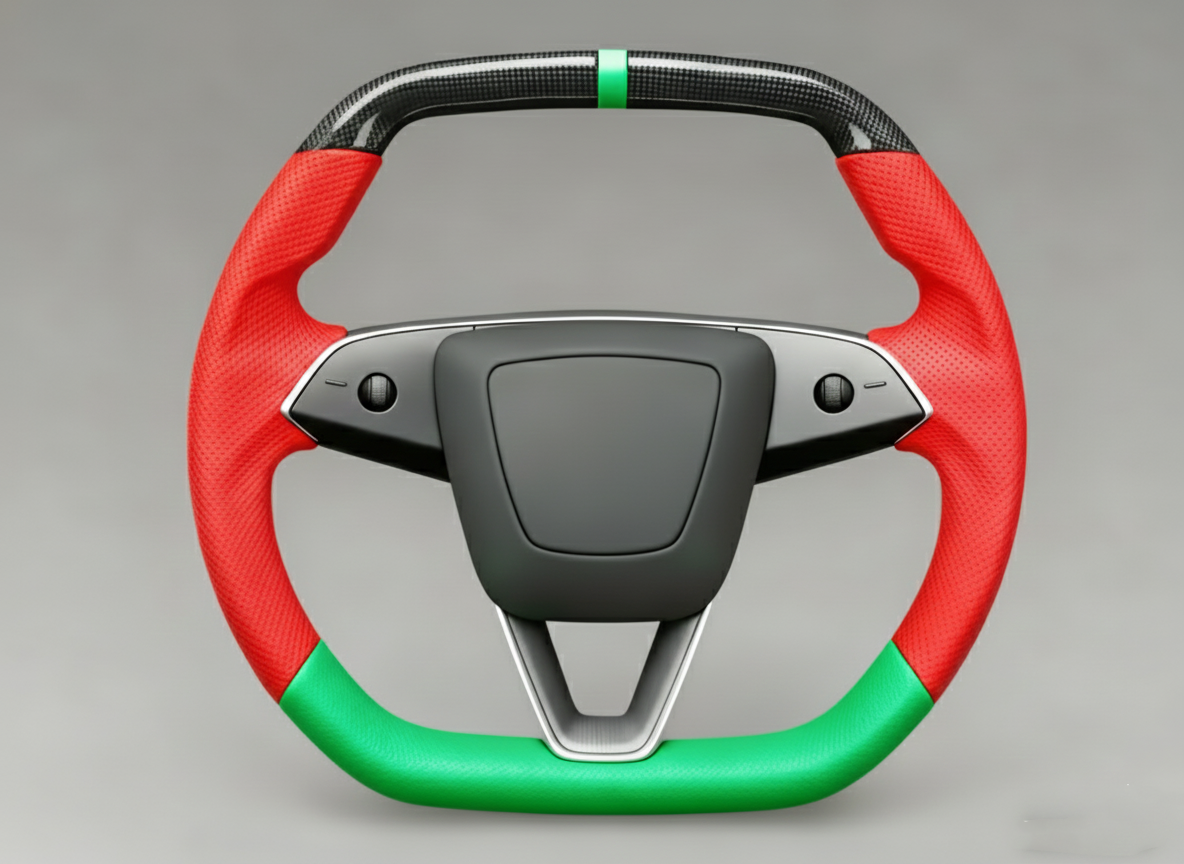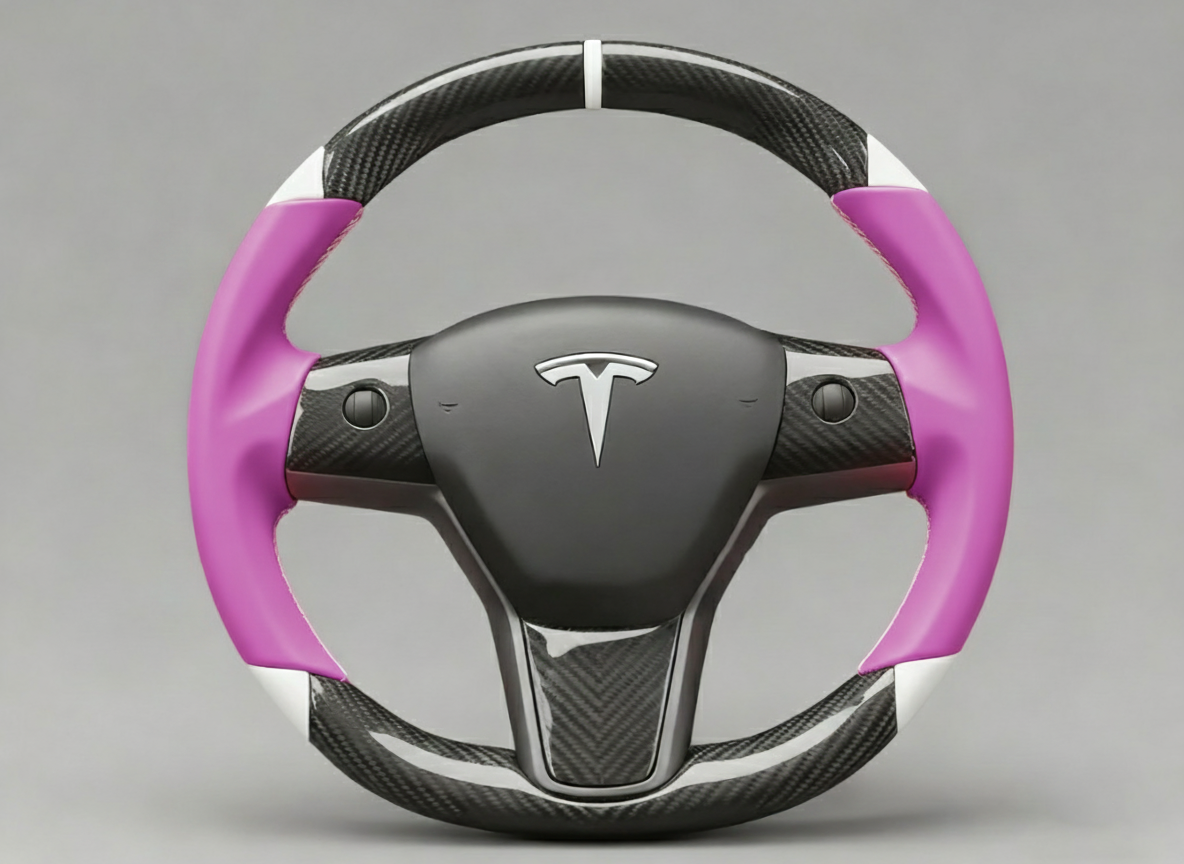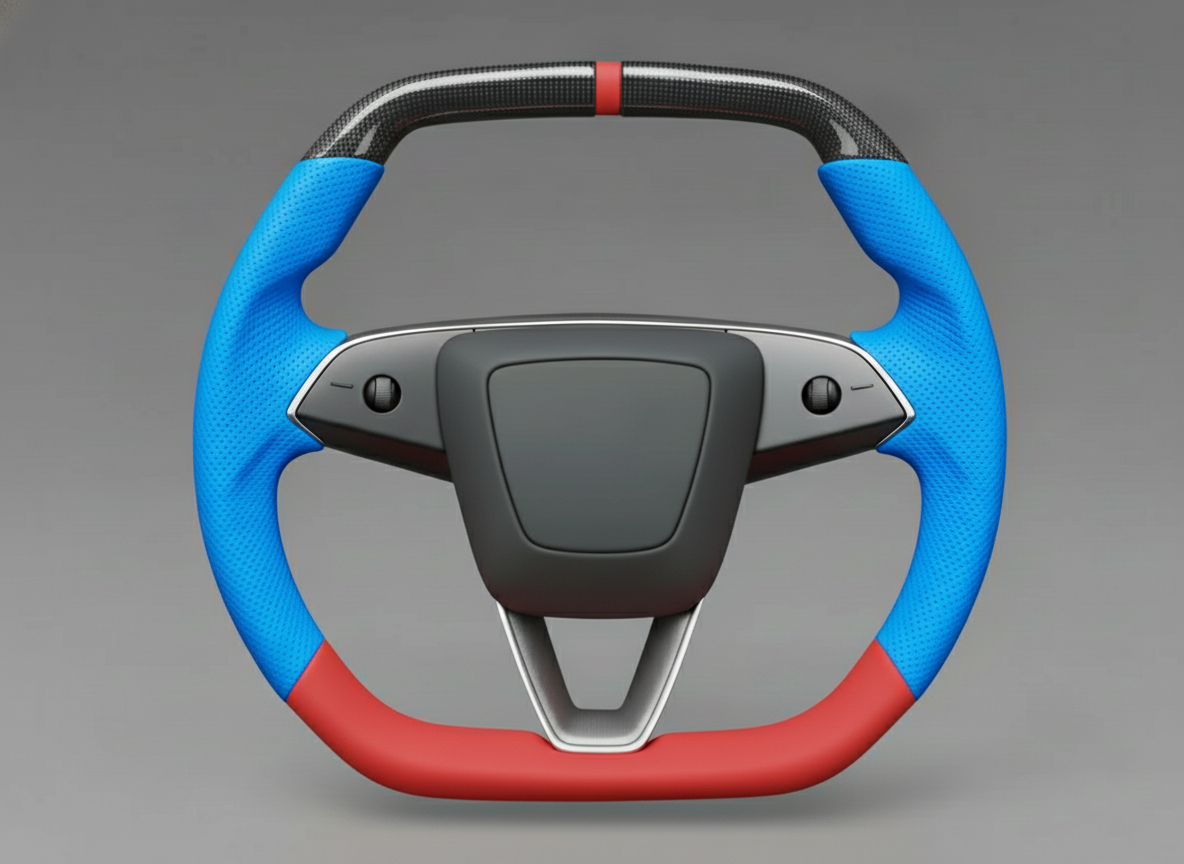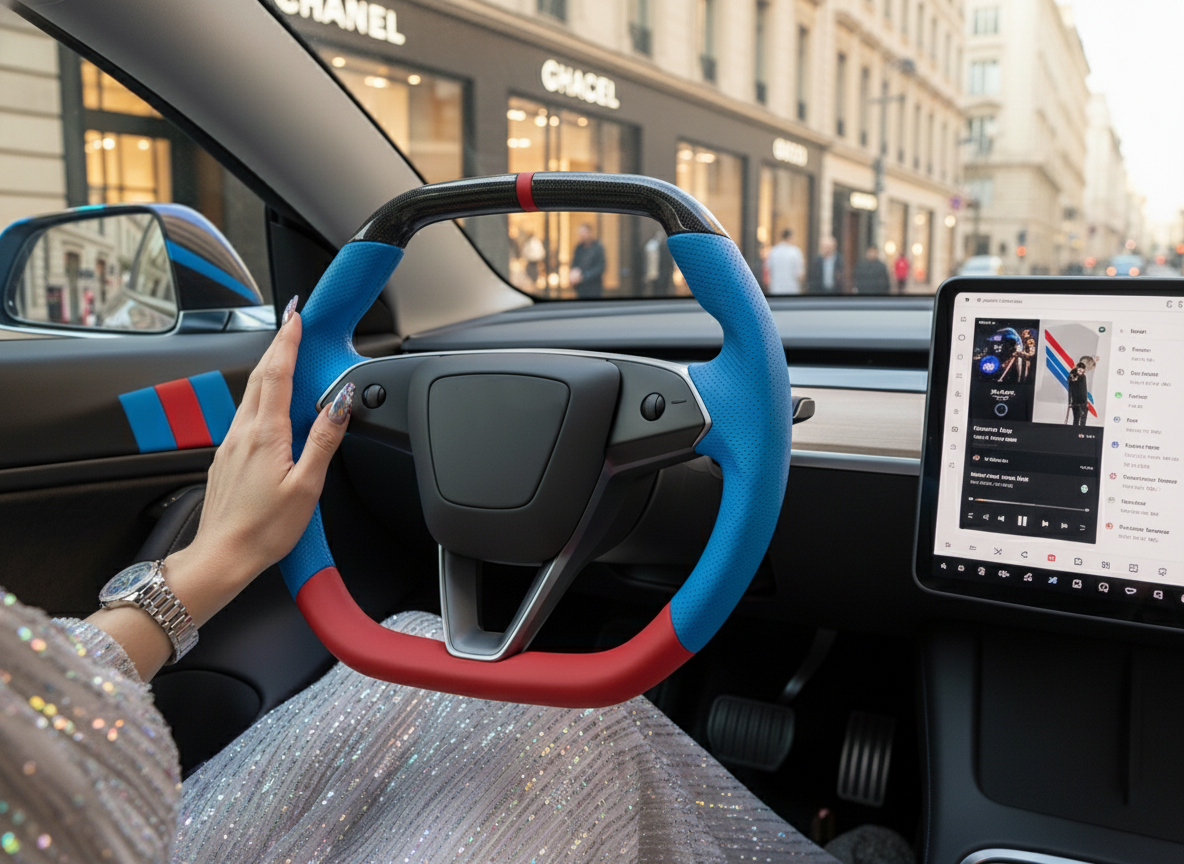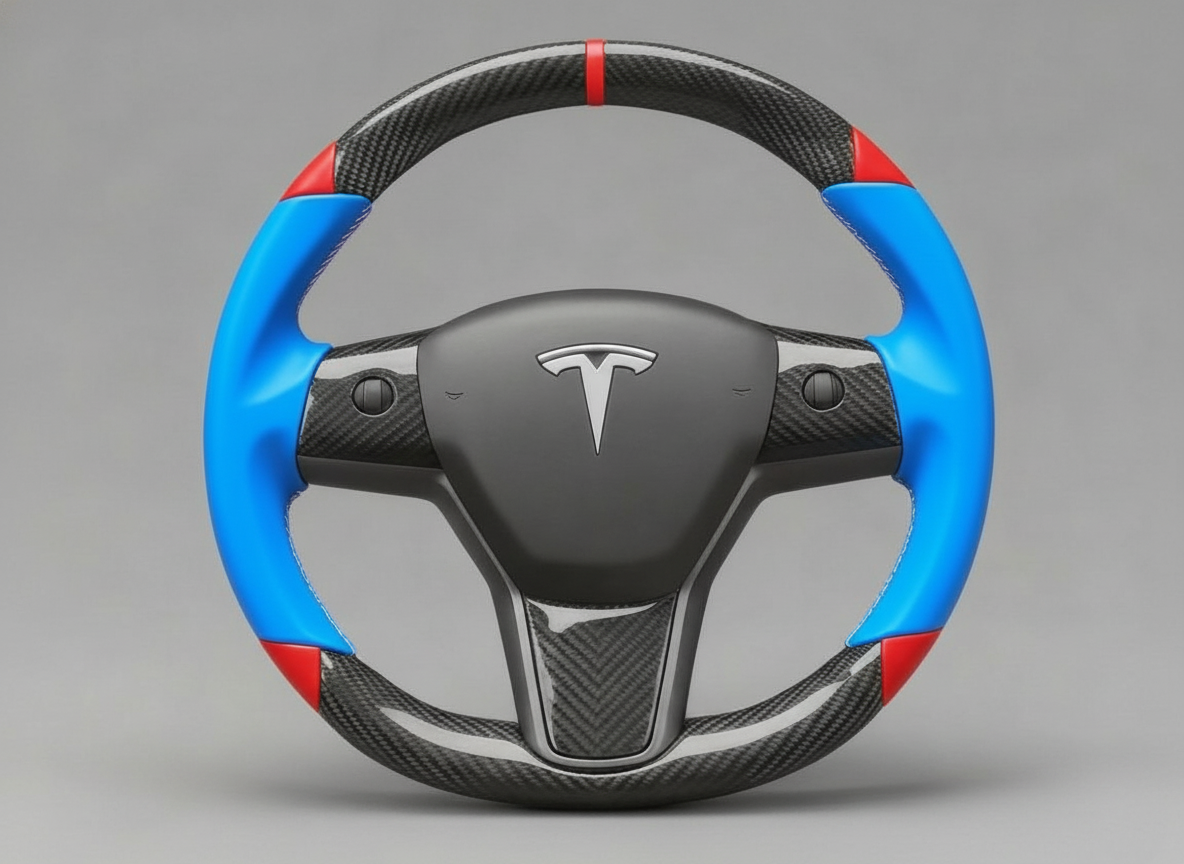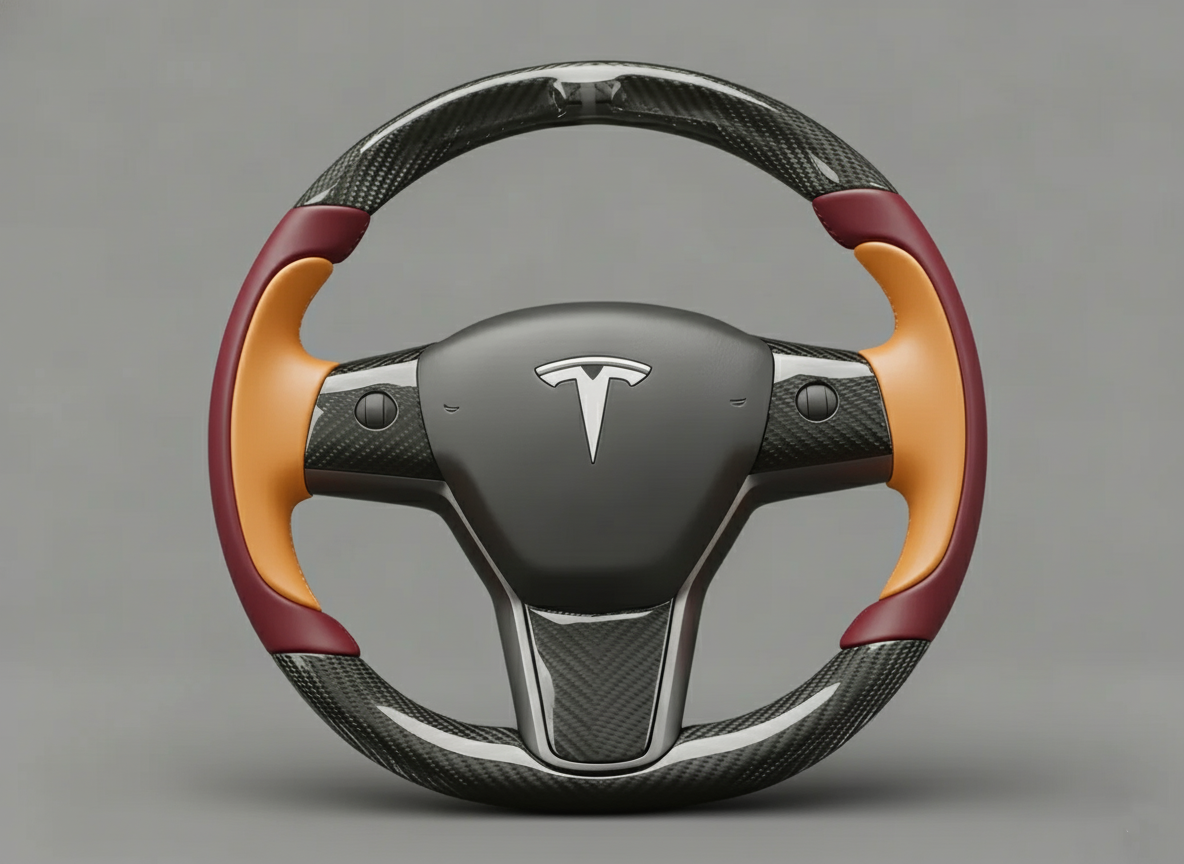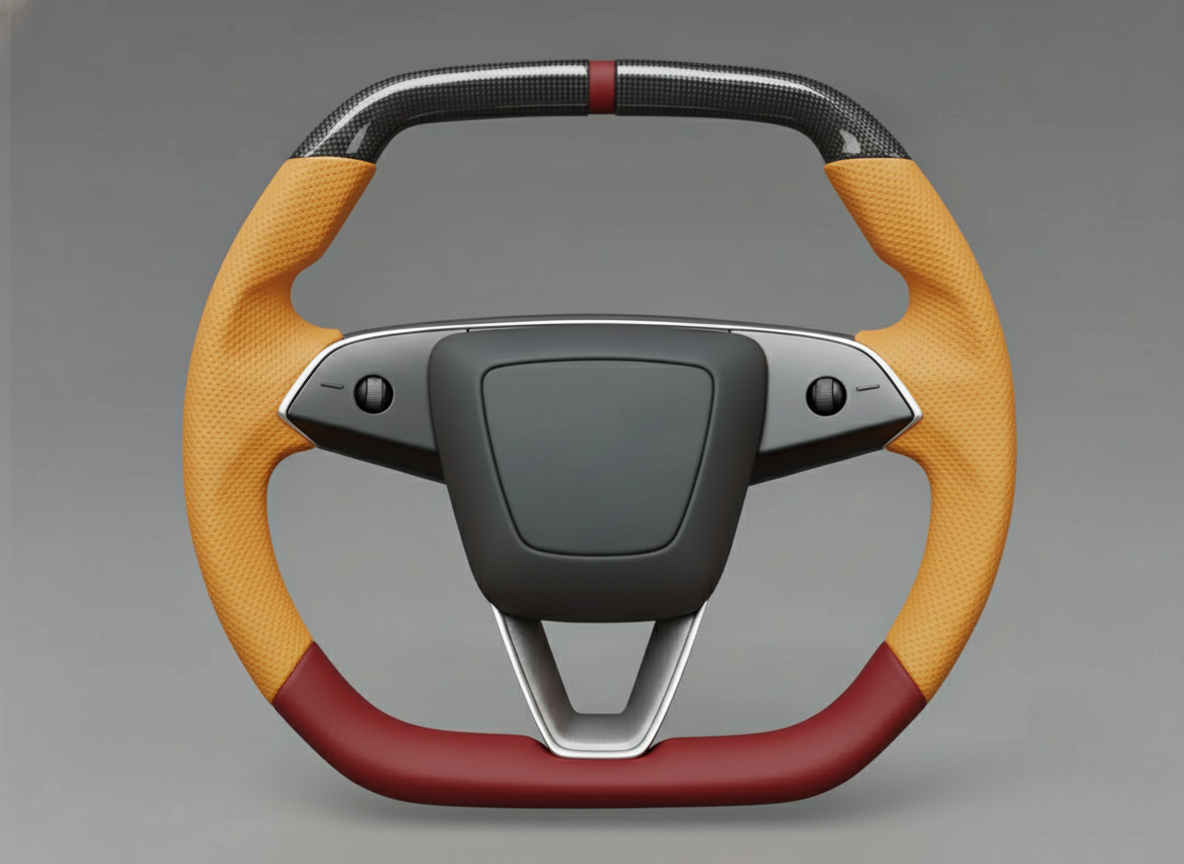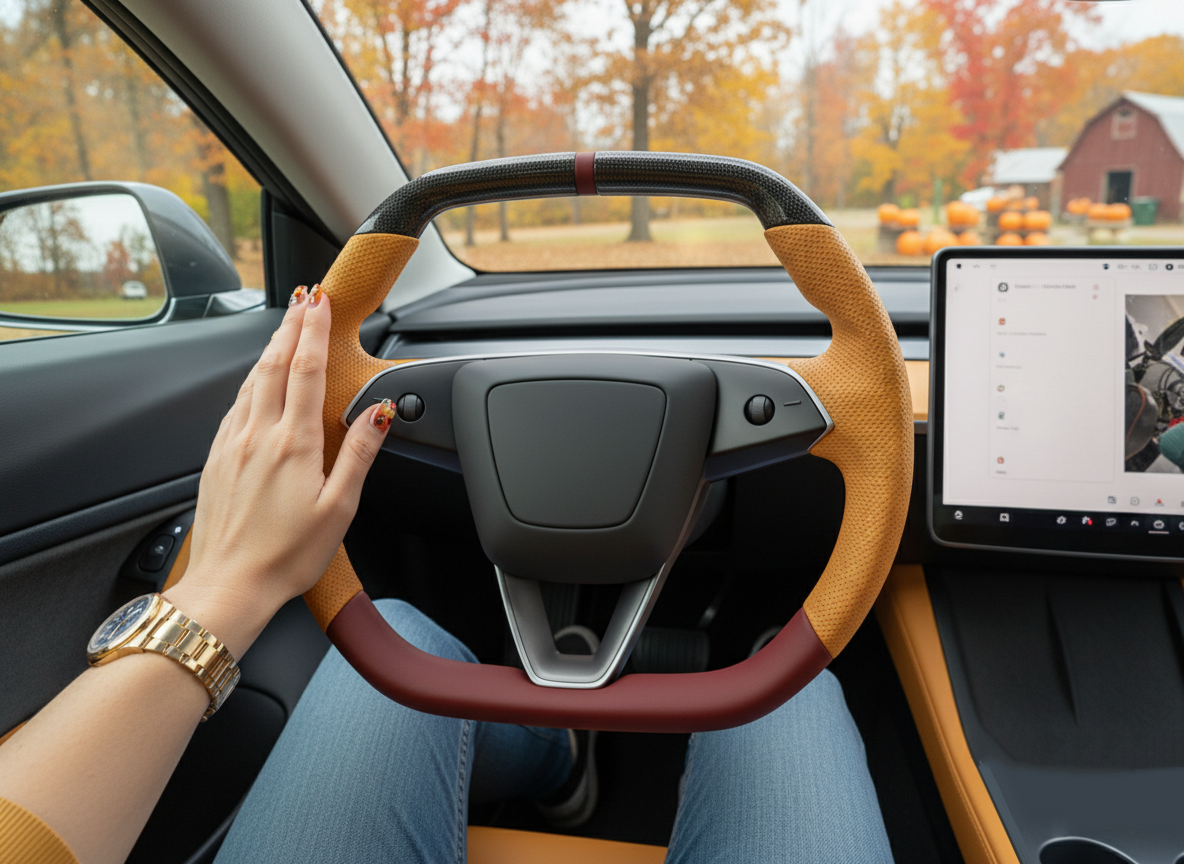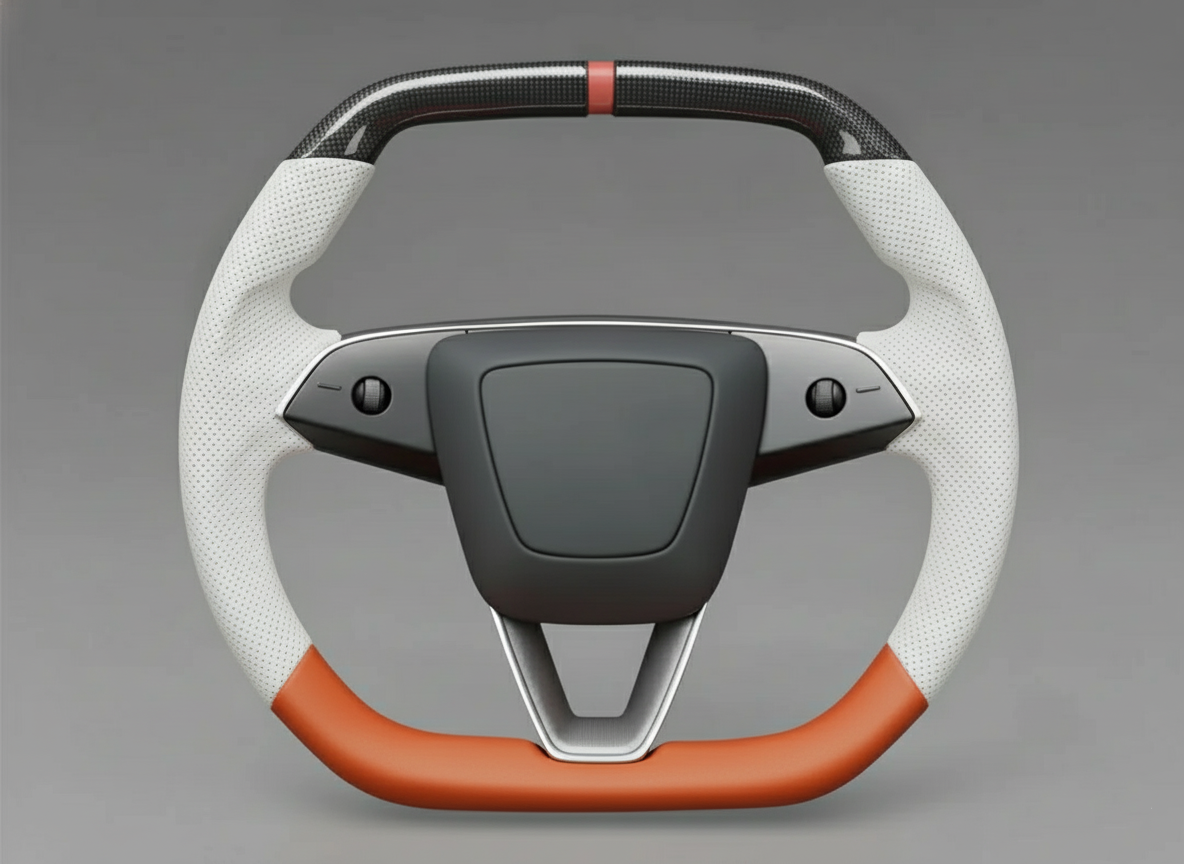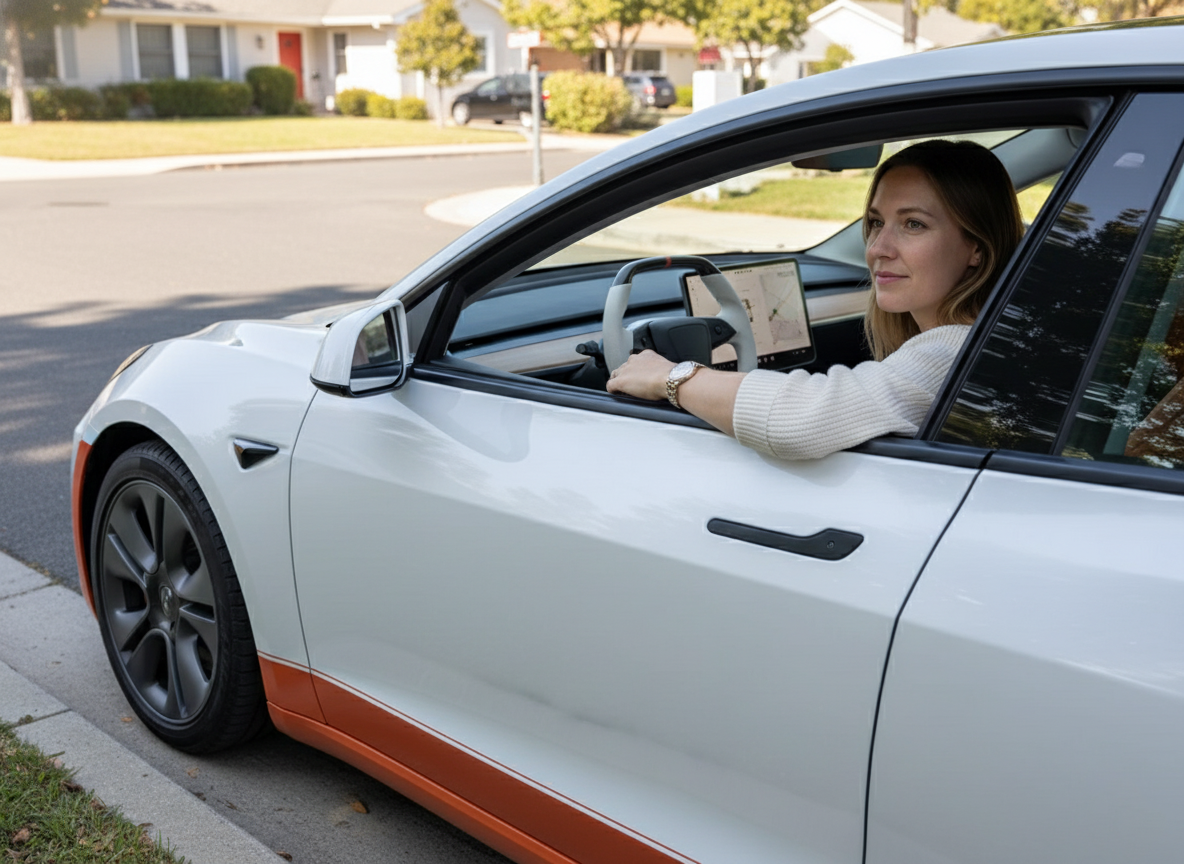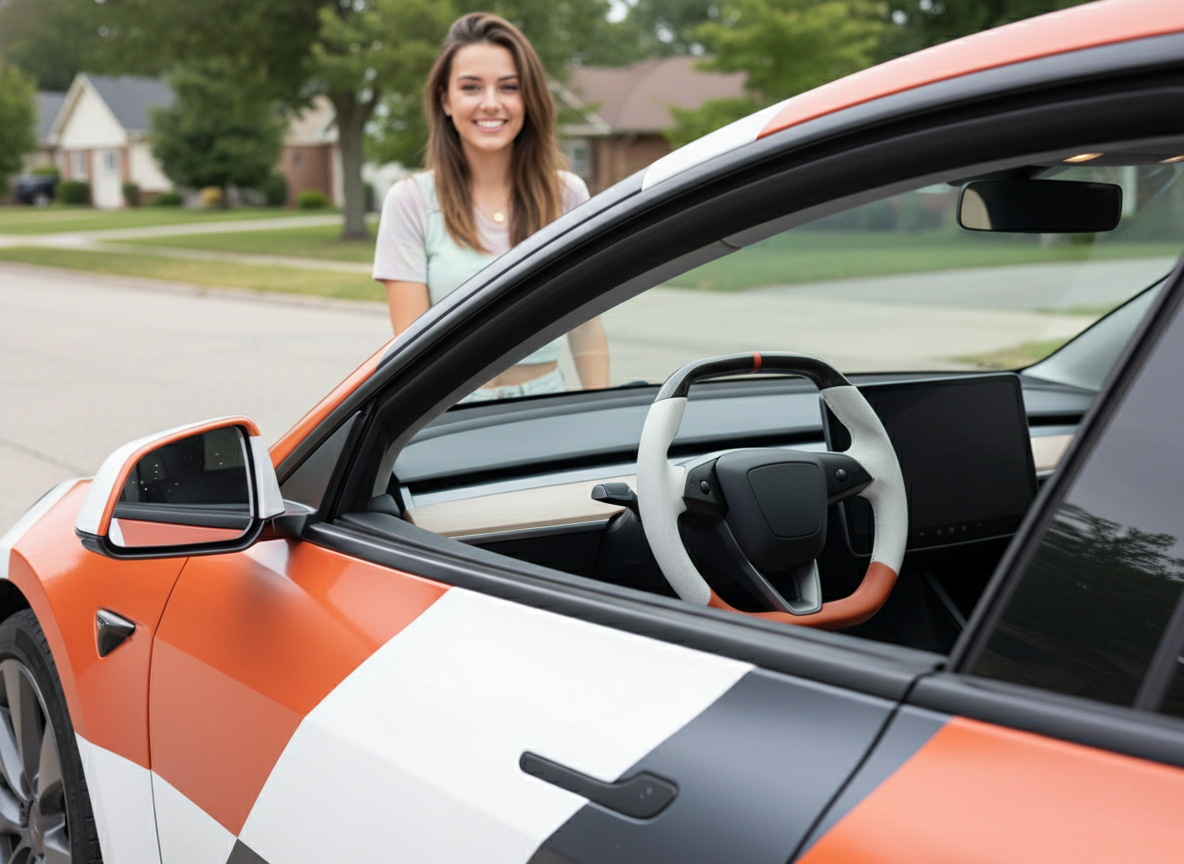
The refreshed Model 3 steering wheel is made of vegan leather; avoid using traditional real leather oils.
It is recommended to use 303 Protectant or a 1:10 diluted neutral cleaning solution sprayed onto a microfiber towel and wiped gently every quarter.
This provides about 45 days of anti-UV protection, keeps the material matte and soft, and effectively prevents aging and cracking.
Maintenance
A routine cleaning is recommended every 14 days. You must use a neutral cleaner with a pH value of 7.0-8.0, and absolutely avoid using solvents with an isopropyl alcohol (IPA) concentration exceeding 5%.
For tools, it is recommended to use a 300-400 GSM edgeless microfiber towel, paired with a silicone-free protective coating specifically for polyurethane (such as a siloxane polymer water-based spray).
This standard maintenance can reduce the probability of coating peeling caused by sebum residue by 80%, and maintain the factory low gloss level (reflectivity below 15%) over the long term.
Material Care Comparison
The polyurethane (PU) vegan leather used on the Model 3 Highland steering wheel typically ranges from 0.9 mm to 1.2 mm in thickness. The surface is covered with a 0.05 mm thick acrylate wear-resistant coating. Traditional Nappa leather generally reaches 1.4 mm to 1.8 mm in thickness and is internally filled with a complex collagen fiber network. The micropore diameter of animal leather ranges from 20 to 50 micrometers, granting it an extremely strong ability to absorb external natural oils. The micropores of PU material consist of a closed-cell foam structure with a pore diameter of less than 5 micrometers, and its physical permeability to liquids is less than 10% of that of natural leather.
When applying traditional leather moisturizers containing mink oil or lanolin, animal leather will absorb over 85% of the active ingredients within 15 minutes. If the same moisturizer is applied to the Model 3's PU steering wheel, 98% of the oil will remain on the surface and cannot penetrate inside. Unabsorbed animal oils will undergo an oxidation reaction within 24 hours, causing the surface friction coefficient to plummet from 0.6 to 0.2, resulting in extremely severe hand slipping while driving.
| Testing Dimension | Model 3 Vegan Leather (Polyurethane) | Traditional Nappa Leather |
|---|---|---|
| Water Vapor Transmission (WVT) | < 5 g/m²·24h | 300-500 g/m²·24h |
| Tensile Strength | 15-20 MPa | 25-30 MPa |
| UV Tolerance Threshold | Coating degradation takes ~500 hours of Level 10 UV | Pigment fading takes ~800 hours of Level 10 UV |
| Surface Porosity | < 2% (Closed-cell foam layer) | 15-20% (Open follicle ducts) |
| Suitable Cleaner pH | 7.0 - 8.0 (Strictly neutral) | 6.5 - 8.5 (Weakly acidic to weakly alkaline) |
Acidic cleaners with a pH below 6.0 will cause the PU surface to darken within 48 hours, and the surface glossiness at a 60° geometric angle will increase by 15 Gloss Units (GU). Alkaline stain removers with a pH exceeding 8.5 will destroy the 0.05 mm acrylate top coating, thoroughly exposing the underlying foam structure. Nappa leather can withstand brief alkaline cleaning at pH 9.0, as its internal collagen fibers can quickly restore initial toughness by absorbing moisture equivalent to 10% of their mass.
During summer in Arizona, USA, the temperature in the dashboard area of a car often exceeds 160°F (71°C). In high-temperature environments, the moisture evaporation rate inside Nappa leather reaches 2 ml per hour, and exposure to the sun for more than 72 hours will lead to physical shrinkage and surface reticular cracking. PU vegan leather rarely experiences water loss and cracking, but when the surface temperature reaches 155°F (68°C), the polyurethane molecular chains will undergo microscopic thermoplastic softening.
The average grip force applied by a driver's hands to the steering wheel is 15 to 20 PSI. Under the combination of 160°F high temperature and 20 PSI of physical friction, sebaceous acids will gradually penetrate the closed pores of the PU material, which are less than 5 micrometers. After about 300 hours of accumulated driving, sebaceous acids will trigger a hydrolysis reaction, causing the matte coating on the vegan leather surface to peel off extensively.
-
Natural oils (e.g., lanolin/beeswax): Perform deep moisturizing on Nappa leather, restoring 30% of fiber elasticity; on PU material, they form a 0.1 mm thick sticky oil film, absorbing fine dust particles inside the car and rapidly increasing the physical wear rate by 40%.
-
Isopropyl Alcohol (IPA) solvent: Wiping Nappa leather with a 10% IPA concentration will cause slight surface fading within 7 days; wiping PU vegan leather with the same concentration of IPA will quickly dissolve the anti-fouling coating on the surface within 5 seconds, causing irreversible mottled peeling.
-
Water-based siloxane polymers: On Nappa leather, they obstruct normal pore breathing, causing the leather to gradually harden after 6 months; on PU material, they form a cross-linked protective film only 2-3 nanometers thick, providing up to 14 days of UV isolation.
The aging of animal leather manifests as the breaking of collagen reticular fibers, requiring a dedicated care solution supplementing 5% collagen per ounce. The aging of the Model 3 steering wheel's polyurethane manifests as the breaking of chemical bonds, presenting tactilely as a sticky or abnormally smooth surface. UV protection sprays on the market developed for intense California sunlight use Hindered Amine Light Stabilizers (HALS) as their active ingredient, designed specifically to delay polymer chemical degradation.
After spraying 3 ml of water-based protectant onto a sponge pad and applying it evenly over the PU steering wheel, the moisture will completely volatilize within 60 seconds. The polymers take 3 minutes to complete the cross-linking and curing reaction on the surface, after which excess residue must be wiped away with a 350 GSM microfiber towel. For Nappa leather, 3 ml of heavy care lotion requires at least 2 hours of natural penetration time, during which applying any physical wiping will hinder absorption.
| Chemical Reagent Contact Reaction | Damage Manifestation on PU Vegan Leather | Damage Manifestation on Nappa Leather | Reaction Time |
|---|---|---|---|
| Sweat with sunscreen (Zinc Oxide) | Strong degradation (Decomposes acrylic protective layer) | Surface residue (Clogs pores) | 24 - 48 hours |
| Alcohol-based hand sanitizer | Extremely strong degradation (Rapidly dissolves surface layer) | Strong drying (Strips deep oils from dermal layer) | < 1 minute |
| Automotive silicone gloss oil | Strong reflection (Slipperiness increases by 80%) | Moderate reflection (Long-term use leads to drying/cracking) | Immediate effect |
| High-concentration dark coffee | Extremely low penetration (Can be wiped off with a 300 GSM towel) | Deep staining (Pigment penetration requires professional cleaning) | 10 - 15 minutes |
According to Martindale Abrasion Test data, high-quality Nappa leather will exhibit visible fading after enduring 30,000 friction cycles at 12 kilopascals of pressure. The Model 3's PU material, under the same laboratory testing, can withstand over 50,000 physical friction cycles without breaking. The sole weakness of the PU material lies in its lower resistance to acid/alkaline reagents and specific alcohol chemical solvents compared to natural leather.
To maintain the factory matte reflectivity of less than 15 GU (Gloss Units), any traditional leather care products labeled "moisturizing" or "glossy" must be completely discarded. Checking hands for residual sunscreen or cosmetics before each drive can reduce the chemical aging speed of the steering wheel coating by 50%.
Bi-weekly Maintenance Routine
Before initiating the interior maintenance procedure once every 14 days, ensure the vehicle is parked in a cool area with an ambient temperature below 75°F (24°C). If the surface temperature of the Model 3 Highland's polyurethane steering wheel exceeds 85°F (29&°C), the moisture in the cleaner will rapidly evaporate within 10 seconds. Evaporating too quickly leaves a surfactant residue concentration as high as 8% on the surface, increasing friction resistance during later cleaning.
The selection of tools during the preparation phase is extremely strict; any material that could generate static electricity or micro-scratches must be eliminated. The thickness of the acrylate wear-resistant coating on the polyurethane surface is only 0.05 mm, and applying a downward pressure of over 5 PSI with hard nylon bristles will produce microscopic cuts.
-
Dusting Tool List
-
Bladeless fan (Wind speed setting below 15 m/s)
-
Soft boar hair brush (Bristle length 2-3 cm)
-
Crevice vacuum nozzle (With 1 mm flocking protection)
-
300 GSM edgeless microfiber dry towel
Use a vacuum nozzle with flocking protection, positioning it 0.5 cm close to the steering wheel stitching to perform physical vacuuming. Set the suction power between 10,000 Pa and 12,000 Pa to remove dander and dust accumulated in the 1 mm deep stitching grooves. Dust usually contains 30% quartz particles; if not vacuumed away beforehand, subsequent wiping actions will be equivalent to sanding the surface with 3000-grit sandpaper.
After completing dry dusting, proceed to the degreasing and cleaning step. Hot weather in California will cause a driver's hands to secrete about 1.5 ml of sweat and 0.2 grams of sebum per hour. Sebaceous acids will attach to the 3 o'clock and 9 o'clock grip areas of the steering wheel, causing the surface reflectivity in these areas to rise from the standard 12 GU to over 25 GU within two weeks.
You must use a neutral interior cleaner with a pH value strictly controlled between 7.0 and 7.5, such as P&S Xpress Interior Cleaner. Mix the raw solution at a 1:1 ratio with deionized water and pour it into a spray bottle with a foaming nozzle. Deionized water prevents calcium and magnesium ions (which exceed 50 ppm in tap water) from forming water scale spots on the polyurethane surface.
Spray the diluted cleaning solution twice onto a clean boar hair brush to generate about 10 cubic centimeters of foam. Do not spray the liquid directly onto the steering wheel under any circumstances to prevent splashed liquid from seeping into the electronic components of the steering column behind it and causing a short circuit. Holding the brush, perform zero-pressure sliding friction in circular motions with a 3 cm diameter on the outer ring of the steering wheel.
Control the brushing time for each area to 8 to 10 seconds, utilizing the microscopic deformation at the tips of the bristles and the tension of the foam to emulsify the sebum. At a room temperature of 70°F (21°C), the peak emulsification reaction occurs 5 seconds after contact. Once the foam changes from pure white to slightly yellow, it indicates that sebum and dirt have been fully encapsulated, and water extraction/wiping must be performed immediately.
-
Wiping Specifications
-
Use a 380 GSM or higher microfiber towel
-
Fold it into 4 layers to provide cushioning thickness
-
Wiping downward pressure must not exceed 2 PSI
-
Drag wipe in a single straight direction; back-and-forth friction is prohibited
-
Flip to a clean towel surface after every 1/4 turn wiped
The wedge-shaped cross-section of a microfiber towel can absorb liquid and emulsified dirt equivalent to 7 times its own weight within 2 seconds. After wiping, a strong flashlight (color temperature 5000K, illuminance 1000 Lux) must be used to illuminate the surface from a 45-degree angle to check for any missed oil spots or watermarks. A clean polyurethane surface should present a uniform, weak matte texture without any mirror reflection phenomenon.
Wait 3 minutes to allow residual moisture in the epidermal micropores to completely evaporate. Then enter the final coating protection stage. The first step is to establish a UV and anti-static isolation mesh about 3 nanometers thick on the surface. Use a water-based protectant dedicated to polyurethane, such as Colourlock Vegan Leather Protector.
Shake the spray bottle for 5 seconds, press the nozzle once, and release about 1.5 ml of milky white liquid onto a round microfiber applicator pad. The porosity of the applicator pad should be below 5% to prevent active ingredients from being overly absorbed. Follow the contour of the steering wheel and apply a thin layer at a uniform speed (about 5 cm per second), ensuring 360-degree full coverage, paying special attention to the 12 o'clock area at the top which is highly susceptible to direct UV radiation.
The Hindered Amine Light Stabilizers (HALS) in the protectant require 5 to 8 minutes to undergo a cross-linking reaction with oxygen in the air. In areas with humidity exceeding 70%, such as Washington State, the curing time needs to be extended to 12 minutes. During this period, the surface will show a brief, weak wet appearance, accompanied by the emission of a slight polymer odor.
-
Post-Curing Tests
-
Light finger touch yields no sticky feeling
-
A dry microfiber cloth glides over with extremely low resistance
-
Water droplet contact angle is greater than 90 degrees
-
Matte reflectivity returns to below 15 GU
If local white streaks appear on the surface after curing, it indicates that an excessive amount of protectant thicker than 0.5 mm was applied to that area. The solution is to spray a trace amount of deionized water onto a dry towel and gently wipe away the excess. Regularly executing this complete physical and chemical maintenance routine can keep the degradation rate of the polyurethane film's tensile strength below 15% over 5 years.
Maintenance Frequency Adjustment
The 14-day standard maintenance cycle for the Model 3 Highland's polyurethane steering wheel is not set in stone; external environmental parameters can cause the degradation rate of the 0.05 mm thick acrylic top coating to fluctuate up or down by up to 60%. Adjusting the frequency of cleaning and coating application must be based on quantifiable UV indexes, average cabin temperatures, and physical contact durations.
During summer in Phoenix, Arizona, the ambient temperature in the dashboard area easily climbs to 165°F (73°C) at noon. Between 11:00 AM and 3:00 PM, the local UV Index will stabilize in the extremely high peak range of 10 to 11. Intense solar radiation shining on the polyurethane surface only takes 45 minutes for the macromolecular chains to undergo microscopic thermoplastic softening.
When localized temperatures inside the car break 150°F (65°C), the absorption rate of human sweat by the polyurethane material will rise exponentially, and the standard 14-day maintenance cycle must be mandatorily shortened.
For drivers located in Florida or Texas, if the cumulative daytime driving time reaches 15 hours per week, the chemical destructive forces endured by the coating will double. The maintenance frequency should be adjusted to once every 7 to 10 days. The high-frequency maintenance requires spraying 1.5 ml of water-based spray containing Hindered Amine Light Stabilizers (HALS) each time to maintain a chemical isolation mesh that blocks 99% of UVA and UVB rays.
-
Parameter Settings for High-Radiation Areas
-
Over 8 hours of sunshine: Execute a 7-day maintenance cycle
-
Average 2 hours of daily driving: Increase single coating agent dosage by 0.5 ml
-
Using a sunshade when parked: Physical surface cooling of 35°F (19°C)
Winter in Minnesota or Maine presents a vastly different physical destruction path. When the outdoor temperature plummets below 15°F (-9°C), turning on the car's heating system causes the relative humidity in the cabin to rapidly fall below 20%. The vegan leather material itself is highly resistant to low temperatures; even in a -4°F (-20°C) environment, it can still maintain high tensile flexibility and will not crack.
The destructive force brought by cold climates originates from the extreme dryness of the driver's hand skin. Skin lacking moisture will cause the dynamic friction coefficient between the palm and the steering wheel to sharply increase by 40%, generating a grinding downward pressure of about 25 PSI when executing large-angle turns. At this point, the maintenance focus must shift from UV resistance to increasing surface lubricity, ensuring the sliding resistance remains consistently below 0.4 μk.
Relative humidity below 30% will cause a 380 GSM microfiber towel to generate up to 3000 volts of static electricity when wiping the surface, strongly adsorbing quartz dust under 5 micrometers from the air.
In dry and low-temperature geographical regions, the frequency of cleaning and degreasing can be relaxed to once every 21 to 28 days. The precipitous drop in sweat and sebum secretion makes the chemical degradation reaction on the polyurethane surface come to a near halt. Using a neutral synthetic leather care solution with anti-static ingredients can significantly reduce the microscopic cutting of the coating by physical friction.
-
Parameter Settings for Cold and Dry Areas
-
Outdoors below 32°F: Execute a 21-28 day maintenance cycle
-
Heater blowing directly on steering wheel: Shorten coating natural curing time by 2 minutes
-
Static elimination resistance: Adopt ionized water-based care spray
Besides meteorological parameters, the intensity of vehicle usage equally dominates schedule adjustments. Commuting 60 miles daily on California's I-405 freeway generates about 120 steering input actions per hour. An adult in a driving state secretes about 0.5 grams of sebum per hour, and squalene and free fatty acids will accumulate heavily in the 3 o'clock and 9 o'clock grip areas.
Vehicles with a monthly mileage exceeding 1,500 miles, regardless of the season, must strictly adhere to the 14-day maintenance baseline. Over 20 hours of high-intensity physical contact and sebum coverage will rapidly disintegrate the surface anti-fouling structure. For low-frequency usage vehicles driven less than 500 miles per month, a 30-day cleaning cycle is sufficient to handle daily dust settling.
Over 100 hours of cumulative driving grip will leave a sebaceous acid deposit about 0.1 mm thick on the polyurethane closed-cell surface, completely altering the local light refractive index.
External chemical substances residing on the hands will substantially disrupt the baseline degradation timeline. Driving after applying broad-spectrum SPF 50 sunscreen will introduce nanoparticles containing zinc oxide and titanium dioxide into the steering wheel surface. Zinc oxide possesses mild abrasive properties, and when combined with sweat, will accelerate the decomposition of the acrylic protective layer.
If a driver uses hand creams containing mineral oil or physical sunscreens daily, the maintenance frequency must immediately be reduced to once every 7 days. When cleaning, an active foaming agent with a pH of 7.5 must be selected, extending the foam's residence time on the surface from the standard 10 seconds to 15 seconds. Sufficient emulsification time can thoroughly strip 2-micrometer sunscreen particles from the foam layer.
-
Parameter Settings for High-Frequency Chemical Contact
-
Daily application of sunscreen: Strictly execute a 7-day degreasing cycle
-
Contact with mineral hand creams: Extend single residence emulsification time by 5 seconds
-
Physical peeling of residue: Use a 400 GSM fiber towel applying 2 PSI of thrust
Lay a dry microfiber towel flat on top of the steering wheel and apply less than 1 PSI of push force to slide it; the towel should move without any snagging sensation. If a sluggish feeling occurs during the slide, it indicates that accumulated contaminants on the surface have destroyed the polymer's smoothness, and the degreasing cleaning process must be initiated immediately.
Observing the reflection angle is also a quantifiable indicator. Use a 1000 Lux light source to illuminate the grip area from a 60-degree angle; if the reflectivity reading exceeds 15 Gloss Units (GU), the original matte texture has been filled by oil. Monitoring the change data of various physical characteristics can provide the most rigorous adjustment basis for the polyurethane material's maintenance schedule.
Softness
In closed cabin environments exceeding 60°C during summer, the internal plasticizers in the Model 3 Highland's polyurethane (PU) vegan leather steering wheel will accelerate their volatilization.
Simultaneously, mildly acidic sweat (pH 4.5-5.5) continuously secreted by the driver's hands permeates into the micropores, which will also accelerate the physical shrinkage of the macromolecular material.
Restoring and maintaining softness requires using a moisturizer formulated with a water-based emulsion carrier containing synthetic esters or macromolecular moisturizing ingredients.
These ingredients can penetrate the 0.05 mm thick PU top coating, keeping the steering wheel's Shore hardness within the factory standard range of 35-40A, and maintaining a friction coefficient above 0.6, ensuring the grip is soft and non-slip.
Material Hardening
The surface skin of the Tesla Model 3 Highland steering wheel uses a thermoplastic polyurethane (TPU) coating about 1.2 mm thick combined with a microfiber base. In summer in Florida or Texas, the temperature inside a closed cabin exposed to direct sunlight will soar above 71 degrees Celsius within 45 minutes.
Distributed within the polyurethane material are liquid plasticizers accounting for about 15% of the total weight, responsible for maintaining the sliding space of the macromolecular chain segments. When the surface temperature continuously exceeds 65 degrees Celsius, plasticizer molecules accelerate their migration to the surface layer and volatilize into the air.
The volatilization process takes away the bound water inside the PU structure, causing the microscopic breathable pores, originally about 0.02 mm in diameter, to undergo irreversible physical shrinkage. The breathable pores shrink to less than 0.005 mm, and the material loses its original compressive rebound cushioning space.
Measured with a Shore A durometer, the hardness of newly manufactured eco-leather remains in the soft range of 35A to 38A. After 90 consecutive days of high-temperature sun exposure and plasticizer loss, the surface hardness index climbs to over 48A, making the grip feel rough and hard.
UVA ultraviolet rays penetrating the windshield have wavelengths between 320 and 400 nanometers, and the photon energy is sufficient to sever the carbon-nitrogen bonds in the polyurethane macromolecular skeleton. After accumulating 300 hours of continuous light exposure, the surface structure undergoes yellowing, and the molecular chain weight drops by about 8%.
The entire steering wheel leather surface is divided into a 0.05 mm transparent wear-resistant top layer, a 0.8 mm foam cushioning layer, and a fiber backing at the bottom. The hardening process spreads downward from the top layer, and the closed-cell structure within the foam layer cannot inhale air to recover after being compressed, completely losing its supporting force.
A driver's palms contain about 400 sweat glands per square centimeter. Sweat secreted during long-distance driving contains 99% water as well as 1% sodium chloride (salt), lactic acid, and urea, and its pH value usually falls within the mildly acidic range of 4.5 to 5.5.
The mildly acidic liquid penetrates the 0.05 mm thick wear-resistant top layer of the steering wheel through the remaining micropores. The moisture rapidly evaporates in the low-humidity environment created by turning on the air conditioner, and the precipitated sodium chloride crystals crystallize and expand inside the pores.
The physical stress generated by salt crystallization tears the reticular cross-linked structure of the polyurethane, leading to the breaking of macromolecular chains. Over time, under an electron microscope, the originally smooth surface coating reveals microscopic reticular cracks approximately 0.01 mm deep.
Natural oils such as squalene secreted by the sebaceous glands of the skin fill the micro-cracks. Unlike genuine leather, which can absorb oil, sebum remains on the surface of the PU material and oxidizes, forming a dense, hardened oil film approximately 2 to 3 micrometers thick.
The hardened oil film completely seals off the breathing pores of the material, and the static friction coefficient drops drastically from 0.65 at the factory to around 0.35. The driver will feel a noticeable sliding sensation in the palm when performing one-handed steering maneuvers or rapid steering operations.
| Exposure and Usage Duration | Microscopic Pore Diameter Measurement | Shore Hardness (Shore A) | Surface Static Friction Coefficient |
|---|---|---|---|
| Factory New Car Status | 0.020 mm | 36A | 0.65 |
| 6 Months Continuous Use | 0.015 mm | 41A | 0.52 |
| 12 Months Continuous Use | 0.008 mm | 45A | 0.44 |
| 18 Months Continuous Use | <0.005 mm | 49A | 0.35 |
After more than 12 months, the sharp reduction in pore diameter and substantial increase in hardness cause wiping with plain water to completely lose any softening effect.
The external conditions that accelerate material aging are not limited to just temperature or sweat alone. Multiple physical and chemical factors alternate in their effects during daily driving:
-
Hand Skincare Product Residue: Sunscreens containing mineral oil or hand creams containing high concentrations of glycerin adhere to the steering wheel, accelerating the dissolution of the PU surface wear-resistant coating at a dissolution rate of roughly 0.5 micrometers per month.
-
Alkaline Cleaner Corrosion: Wiping with an all-purpose cleaner with a pH value greater than 9 destroys the weakly acidic protective layer on the polyurethane surface. A single high-intensity cleaning can increase surface dryness by 10%.
-
Thermal Expansion and Contraction Physical Shear Force: Starting the vehicle outdoors at minus 10 degrees Celsius and rapidly raising the temperature to 35 degrees Celsius via the steering wheel heating function creates a temperature differential. The resulting shear force accelerates the hardening and detachment of the underlying backing glue.
To restore the flexibility lost by the macromolecular polyurethane, one can only rely on small-molecule synthetic emulsions capable of penetrating pores smaller than 0.005 mm to prop the internal reticular structure back up.
Effective Softening Ingredients
After the 1.2 mm thick thermoplastic polyurethane skin of the Tesla Model 3 hardens, its surface microscopic pores will have shriveled to below 0.005 mm. To lower the Shore hardness from 48A back to the factory standard of 36A, it is mandatory to rely on liquid components of a specific molecular weight level for physical penetration.
Water-based polyurethane dispersions utilize water molecules as penetration carriers. In a cabin environment of 25 degrees Celsius, water possesses an extremely low viscosity of 1.0016 mPa·s, enabling it to carry micron-level emulsions through narrow surface pores within 3 to 5 minutes.
After entering the 0.05 mm thick transparent wear-resistant top layer, synthetic ester substances like Dioctyl Sebacate (DOS) begin to interact with the macromolecular chain segments. The molecular weight of DOS is 426.67 Daltons; its extremely small volume allows it to slip easily between tightly arranged polyurethane chains.
Synthetic ester molecules wedge apart the physical distance between polymer chains by about 0.2 to 0.5 nanometers. Internal molecular friction consequently drops, and the material's rebound time after compression is restored from a sluggish 1.5 seconds to 0.4 seconds, making the touch feel full and plump again.
-
Water molecules (18 Daltons): Penetrate instantly, serving as a carrier to transport active small molecules.
-
Synthetic ester DOS (426 Daltons): Penetrates the 0.05 mm surface layer within 5 minutes and softens the polymer structure.
-
Aloe polysaccharides (~1000 Daltons): Adhere to the edges of micropores, providing a 50-nanometer moisturizing coverage on the surface.
-
Animal oils (over 3000 Daltons): Completely blocked outside the physical boundaries of the 0.005 mm micropores.
Plant extract moisturizers at a concentration of 2% to 3% assume the task of surface physical conditioning. Moisturizing molecules form a breathable microscopic film about 50 to 80 nanometers thick on the frequently friction-rubbed areas of the steering wheel.
Under conditions where the air conditioner is running and relative humidity is only 20%, the breathable film regulates the evaporation rate of surface moisture. The static friction coefficient of the steering wheel surface stabilizes at 0.62, ensuring the driver will not experience slip-offs during a 180-degree emergency evasive turn.
Traditional automotive interior care products often contain lanolin or beeswax, which have a kinematic viscosity exceeding 50,000 cP at room temperature. The 0.005 mm polyurethane micropores physically reject large lipids with molecular weights exceeding 3000 Daltons.
Turned away at the door, beeswax can only pile up on the steering wheel surface, oxidizing within just 48 hours of exposure to UVA ultraviolet rays at a wavelength of 400 nanometers. The greasy oxidized layer adsorbs suspended silicon dioxide particles measuring 2.5 to 10 micrometers in the air, forming an abrasive dirt layer.
-
Mink Oil: Oxidizes and turns yellow after 72 hours, significantly increasing surface stickiness.
-
Lanolin: Adsorbs suspended dust, elevating the friction loss rate of the wear-resistant layer by 15%.
-
Beeswax: Seals surface micropores, hindering the natural volatilization of residual moisture inside.
-
Petroleum Distillates: Chemically corrode polyurethane, triggering cracks 0.01 mm deep.
A qualified softening emulsion needs to strictly control its pH value between 6.5 and 7.0. A neutral formula prevents the ester bonds within the polyurethane structure from undergoing hydrolytic cleavage when temperatures inside the car soar to 75 degrees Celsius during an Arizona summer.
Polydimethylsiloxane (silicone oil) found in cheap commercial products will coat the material surface in a 5-micrometer, highly reflective layer. The silicone oil layer drags the steering wheel's static friction coefficient down to below 0.25, making the grip surface exceptionally slippery.
When operating, use a microfiber sponge with a fiber density of 350 GSM for application. Squeeze out 3 ml of water-based moisturizer and apply a uniform 0.01 mm wet film around the steering wheel rim, which has a circumference of about 115 cm.
Apply roughly 1.5 kg of pressing force, allowing the fine tentacles of the microfiber sponge to delve into the PU leather texture. Physical pressing generates slight frictional heat energy, raising the local surface temperature by about 2 to 3 degrees Celsius, which enhances the penetration rate of small-molecule synthetic esters.
Under conditions of 22 degrees Celsius ambient temperature and 45% relative humidity, the complete volatilization of the water-based carrier requires exactly 12 minutes. After the synthetic esters and moisturizers combine with the polyurethane matrix, the Shore hardness of the steering wheel surface drops back from 48A to 37A.
Anti-Aging
The Model 3 Highland steering wheel is made of polyurethane (PU) synthetic material.
Its aging is primarily caused by ultraviolet radiation with a wavelength of 280-400nm and cabin temperatures breaking 140°F (60°C).
Without physical shading, the PU polymer molecular chains will break within 12 to 18 months, resulting in surface peeling.
Hand sweat (pH 4.5-5.5) and alcohol-based hand sanitizers with concentrations exceeding 60% will dissolve the factory coating.
Using a water-based care solution containing silicon dioxide (SiO2) can form a 0.5 to 1-micrometer physical isolation layer on the surface, refracting over 90% of ultraviolet rays.
Photothermal Degradation Reaction
The surface layer of the Model 3 Highland's steering wheel is wrapped in a 0.8 to 1.2 mm thick polyurethane (PU) synthetic material. When parked outdoors without a windshield sunshade, the polymer molecular chains face severe photochemical challenges. UV-A (wavelength 315-400 nanometers) and UV-B (wavelength 280-315 nanometers) rays from sunlight continuously penetrate the car windows.
The photon energy carried by ultraviolet rays is typically between 300 and 400 kilojoules per mole. The bond energy of the carbon-nitrogen single bonds inside polyurethane happens to be approximately 305 kilojoules per mole. When photons strike the steering wheel surface, energy higher than the bond energy forcibly severs the cross-linked structure of the macromolecular polymer, triggering an irreversible photo-oxidation reaction.
Accompanying the photochemical reaction is an extreme greenhouse effect inside the cabin. When the outside temperature reaches 85°F, the dashboard and steering wheel area inside the closed cabin can climb to 135°F within 60 minutes. During summer in Arizona or Texas, the surface temperature in this area routinely exceeds 160°F or even 170°F.
High temperatures act as a catalyst, increasing the rate of the originally slow photochemical reaction by 3 to 5 times. To maintain a soft touch, synthetic leather is mixed with 15% to 20% plasticizers during manufacturing. When the ambient temperature continuously exceeds 140°F, the Brownian motion of liquid plasticizer molecules intensifies.
Active plasticizer molecules begin to migrate from the microporous structure at the bottom of the PU material to the outermost layer. Upon reaching the surface, they rapidly volatilize into the air, forming the off-gassing fog characteristic of new cars that adheres to the inside of the windshield.
-
70°F Environment: Plasticizer volatilization rate is below 1%/year.
-
100°F Environment: Volatilization rate rises to 3.5%/year.
-
140°F Environment: Volatilization rate surges to 12%/year.
-
160°F and above: Can lose over 5% in a single month.
When a driver maneuvers during daily parking, the shear stress exerted by the palms on the steering wheel is usually between 15 and 25 Newtons. Under repeated pulling and stretching, the PU coating, having lost its elasticity, will develop faults up to 0.1 mm deep at the microscopic level.
The most severely damaged areas are highly concentrated at the 10 o'clock and 2 o'clock positions of the steering wheel. The sun's rays strike perpendicularly upon these two specific sectors around noon. Combined with mechanical friction from prolonged gripping, the matte coating film will turn white and peel off earliest in these spots.
Data gathered from accelerated aging test chambers (QUV tests) clearly reconstructs the decay timeline of unprotected vegan leather under simulated outdoor exposure conditions.
-
0-300 Hours: Surface glossiness drops by 15%, color darkens.
-
300-800 Hours: Minor peeling of matte coating, touch becomes rough.
-
800-1500 Hours: Microscopic reticular cracks visible to the naked eye appear.
-
Over 1500 Hours: Polyurethane base substrate suffers extensive chapping and peeling.
The chemical defense mechanism against degradation relies on Hindered Amine Light Stabilizers (HALS) and Ultraviolet Absorbers (UVA). Premium interior care solutions suspend nanoscale silicon dioxide particles and HALS molecules at concentrations between 2% and 5%.
Once the care solution is evenly applied and cured, it forms a sacrificial barrier layer 0.5 micrometers thick around the steering wheel's outer perimeter. HALS molecules possess a unique ability to capture free radicals. When UV photons sever PU molecular chains to produce destructive free radicals, HALS will bond with them within 0.01 seconds.
The combined product undergoes a chemical reduction reaction, releasing trace amounts of longer-wavelength, extremely low-energy thermal infrared rays, thereby protecting the underlying polyurethane macromolecules from secondary attacks. UVA molecules act like microscopic sponges, heavily absorbing harmful bandwidths in the 280-400 nanometer range.
Physical cooling provides equally quantifiable anti-aging benefits. Real-vehicle temperature measurement experiments conducted in California show that placing an aluminum foil windshield sunshade with 98% reflectivity can forcibly suppress the peak temperature at the top of the steering wheel from 155°F to around 112°F.
A temperature drop of 40°F can reduce the migration rate of plasticizers by over 70%. Coupled with applying an anti-UV coating containing polydimethylsiloxane every 45 days, the breaking half-life of the macromolecular substrate will be extended from 18 months to over 5 years.
The evaporation time for water-based formulas is roughly 12 minutes at 75 degrees Fahrenheit. After the moisture has completely volatilized, the cured substance seeps into the microscopic texture of the PU material's surface, filling depths between 5 and 15 micrometers without altering the original factory physical friction coefficient at all.
-
Coating Thickness: Stabilizes at 0.4 to 0.8 micrometers.
-
UV Refraction Rate: Can reach 88% to 93%.
-
Abrasion Resistance Cycle: Withstands roughly 4000 palm sliding friction passes.
-
Effective Half-Life: Approximately 35 to 45 days under outdoor exposure conditions.
During regular maintenance, spraying 2.5 ml of liquid protectant and wiping it in circular motions with a 300 GSM microfiber cloth ensures uniform distribution of HALS molecules. Excessive spraying of more than 5 ml will cause the solution to accumulate in the seams, drying out to form hard-to-remove white powdery crystals.
Chemical Dissolution Reaction
A driver's palms host 500 to 1,000 eccrine sweat glands per square inch. When gripping the steering wheel, the hands continuously secrete a mildly acidic liquid with a pH value between 4.5 and 5.5.
Mildly acidic sweat contains 0.3% to 2% sodium chloride, urea, and lactic acid. The molecular skeleton of polyurethane (PU) synthetic materials highly relies on ester bonds or ether bonds for linkage.
If the surface is in contact with acidic sweat at pH 4.5 for more than 120 hours, the ester-based PU material will initiate a slow internal hydrolysis reaction. Ester bonds react with water molecules and lactic acid, breaking down to produce carboxylic acids and trace alcohol compounds.
The outer ring of the steering wheel is about 14.1 inches in diameter; to complete a 90-degree turn, the palm typically slides roughly 11 inches over the PU surface.
Salt crystals remain trapped in the 0.1-micrometer material crevices after moisture evaporates; possessing a Mohs hardness of 2.5.
Leave-on hand sanitizers introduce an even more violent solvent destruction process. The FDA-recommended hand sanitizer formula in North America contains over 60% ethanol or 70% isopropanol.
Liquid PU requires alcohols or dimethylformamide as a solvent before being cured at the factory. Applying 70% concentration ethanol to the cured steering wheel essentially re-initiates the reverse dissolution reaction of the polymer.
Alcohol molecules penetrate the 0.5-micrometer-thick water-based protective clear coat within 15 to 30 seconds. Ethanol molecules break the hydrogen bonds between the polyurethane chains, causing the contacted area to swell in volume by up to 15%.
-
5 Seconds of Contact: 60% ethanol adheres to the surface; the 0.2-micrometer water-based matte topcoat begins to soften.
-
30 Seconds of Penetration: Alcohol molecules fully immerse into the substrate; material volume expansion rate remains between 5% and 10%.
-
120 Seconds of Volatilization: Solvent volatilization strips away internal plasticizers; the PU coating rapidly shrinks, producing micro-cracks.
-
50 Repetitions: The matte protective layer completely falls off, exposing the underlying reflective and sticky resin body.
The active ingredients in SPF 50 sunscreen usually include 3% avobenzone and up to 10% octocrylene.
Vegan leather lacks the natural breathing pores of animal leather, resulting in a 0% absorption rate for macromolecular aliphatic hydrocarbons like mineral oils or lanolin.
A single application of 2 grams of hand cream leaves about 0.4 grams of grease residual on the steering wheel after driving. The grease film plummets the physical surface tension from 40 dynes/cm at the factory down to below 25 dynes/cm.
The sudden drop in surface tension makes the macromolecular material extremely prone to adsorbing PM 10 particles and textile fibers from the air, forming a black layer of grime mixed with grease and silicate particulates.
Dust particles stuck by grease transform into sharp cutting tools. Quartz dust kicked up from the road has a Mohs hardness of 7. When the driver turns the steering wheel with 10 to 15 pounds of grip force, the dust cuts into the softened PU coating.
The physical decay of the material thoroughly alters its factory-set tactile properties. The friction coefficient of original factory vegan leather is precisely tuned to around 0.45 to provide optimal grip resistance.
After 6 months of accumulating sebum, skincare products, and sweat, the surface friction coefficient will drop below 0.25. The steering wheel feels abnormally slick, forcing the driver to apply greater gripping force.
-
Grease Residue Thickness: Each contact leaves an oil film of 0.05 to 0.1 micrometers.
-
Tensile Strength Drop: For PU surfaces soaked in mineral oil, the tensile limit drops from 20 MPa to 12 MPa.
-
Friction Peeling Test: Surface coated with sunscreen loses 40% of its coating after enduring 500 passes in a Martindale abrasion test.
Common heavy-duty All-Purpose Cleaners (APC) on the market typically have a pH value ranging between 9 and 11.
Strong alkaline solutions, while saponifying hand oils, will indiscriminately attack polyurethane bonds. Wiping with a pH 11 cleaner once a week will shorten the lifespan of the steering wheel surface by 30%.
Interior care mandates the use of a neutral synthetic leather cleaner with a constant pH of 7.0. The formula uses mild surfactants, with the active agent concentration strictly limited to under 5%.
A weak surfactant at 2% concentration can strip accumulated hydrocarbons within 10 seconds without triggering hydrolysis or alcoholysis reactions with the underlying polyurethane macromolecules.
Interrupting the chain of chemical reactions is an effective way to maintain material stability. Wiping with a slightly damp 300 GSM microfiber towel can physically carry away 80% of water-soluble salts and urea residues.
Deep chemical decontamination requires spraying 5 ml of dedicated PU cleaner to dissolve hardened sunscreen crystals and sebum cell build-up within 30 seconds.
After wiping dry, the surface friction coefficient immediately recovers to the factory standard of 0.45. This simple physical removal action cuts off the continuous, 24/7 solvent swelling and hydrolysis reactions.
Care Ingredients Comparison
The surface porosity of polyurethane (PU) synthetic material is below 0.01%, rendering penetrating nourishment logic completely invalid here. Modern interior chemical protection systems have pivoted toward constructing a microscopic physical barrier, ranging from 0.3 to 1.5 micrometers thick, on the outermost layer.
Silicon dioxide (SiO2) is currently the most stable inorganic film-forming material. After liquid SiO2 at a concentration between 5% and 15% is sprayed onto the steering wheel, the carrier moisture will volatilize within 10 minutes at a room temperature of 70°F.
Spraying with the nozzle 15 cm away from the surface guarantees an atomized droplet diameter around 50 micrometers. The evenly adhered droplets, when wiped with a 300 GSM microfiber cloth, can fill microscopic manufacturing defects 0.5 micrometers deep.
After the moisture completely evaporates, SiO2 nanoparticles bond with the polyurethane surface via van der Waals forces, forming a cross-linked ceramic network structure with a Mohs hardness of 4H.
This layer of transparent inorganic film can withstand about 6,000 palm sliding friction passes from the driver. Its high-density molecular arrangement grants it an extremely low surface tension, typically elevating the water contact angle to over 100 degrees.
-
Contact Angle Test: Untreated PU surface water droplet angle is 65 degrees; rises to over 105 degrees after applying 10% concentration SiO2.
-
Anti-Friction Lifespan: Enduring 500 reciprocating wipes with a fiber cloth under 10 pounds of pressure only yields a 0.1-micrometer loss in coating thickness.
-
Chemical Tolerance: Can resist erosion from acidic/alkaline liquids with a pH value between 3.0 and 10.0 for up to 90 days.
Pure physical hardness cannot block the penetration of ultraviolet rays in the 280-400 nanometer band. High-performance formulas typically blend in Hindered Amine Light Stabilizers (HALS) or benzotriazole-class UV absorbers at a ratio of 2% to 4%.
When UV photons hit the steering wheel surface, benzotriazole molecules will absorb the light energy within 10 to the negative 12th power seconds. Proton transfer occurs inside the molecule, converting high-energy UV light into low-energy infrared heat emissions with a wavelength greater than 800 nanometers.
The heat dissipates via air convection in the cabin, keeping the surface temperature rise contained within 0.5°F. The working mechanism of HALS molecules is to actively capture wandering free radicals produced by photochemical reactions.
Every 1 gram of active HALS ingredient can neutralize over 10 to the 20th power of high-energy free radicals. Used in conjunction, the two can push the fading rate and whitening/breaking probability of PU materials down by 85% over 12 months.
Standing in stark contrast to inorganic coatings are aliphatic compounds extracted from animals. The molecular diameter of lanolin and mink oil usually ranges between 5 and 20 micrometers, far larger than the PU material's micropores, which are less than 0.1 micrometers.
Apply 3 grams of lanolin to the steering wheel, and after 24 hours of resting, its absorption rate remains 0%. The stranded oil forms a sticky liquid film over 5 micrometers thick on the surface, sending the friction coefficient soaring from 0.45 to 0.70.
A high-friction environment is extremely prone to adsorbing PM 2.5 particulates from the air and textile fibers inside the cabin. Every square centimeter of the greased surface will accumulate about 400 milligrams of solid pollutants within 72 hours.
When a driver turns a steering wheel covered in a mixture of grease and dust, it equates to using 2000-grit fine sandpaper to continuously, mechanically abrade the polyurethane coating.
-
Grease Residue Data: 2 grams of animal grease under 100°F heat for 48 hours show no volatilization; full physical retention.
-
Wear Acceleration Ratio: A grease layer dusted with micro-particulates increases the wear speed of the original factory matte clear coat by 250%.
-
Glossiness Anomaly: Surface reflectance surges from a 4% matte finish at the factory up to a 35% high-gloss state.
Inferior silicone-based compounds like polydimethylsiloxane (PDMS) are often added to low-cost care wipes. Within 5 seconds, these compounds can bring extremely high visual brightness and a noticeably faux-slick tactile feel.
Silicone oil molecules are highly volatile. Under 140°F cabin heat, 20% of the silicone oil will vaporize within 48 hours. The vaporized silicone oil molecules attach to the inside of the windshield, forming a fog layer that obstructs visibility.
When residual silicone oil encounters lactic acid at pH 4.5 in hand sweat, it undergoes a demulsification reaction within 3 to 5 days. The originally smooth silicone oil layer degrades into white flocculent matter, clogging the stitched seams of the steering wheel.
Laboratories have used standardized procedures to conduct accelerated aging and anti-fouling tracking tests on mainstream care ingredients over 120 days, extracting referenceable decay metrics.
| Chemical Component Category | Penetration Rate (24h) | UV Blocking Rate | Dust Adsorption Increment (7 Days) | Coating Effective Retention Period |
|---|---|---|---|---|
| Silicon Dioxide (SiO2) + HALS | < 0.01% (Physical film formation) | 92% | + 2% | 90 - 120 Days |
| Water-based Fluoropolymer | < 0.01% (Physical film formation) | 85% | + 1.5% | 60 - 90 Days |
| Lanolin / Mink Oil | 0% (Surface retention) | 10% | + 210% | 0 Days (Must be removed immediately) |
| Highly Volatile Silicone Oil | 0% (Surface adherence) | 15% | + 85% | 7 - 14 Days |
The carrier solvents for care solutions are divided into water-based and petroleum distillate-based. High-quality products use over 80% deionized water as a carrier, strictly limiting volatile organic compounds (VOCs) to below 3%.
For solvent-based products containing over 15% petroleum distillates, although the evaporation time is shortened to 2 minutes, the solvent itself will soften the PU surface. Prolonged use will cause the hardness of the 0.8 mm thick vegan leather to drop by 12%.